
A team jersey needs to remain legible from the first game to the last. Between frequent washings, friction, sweat, roster changes, and sponsorships, printing sports team jerseys requires more than just placing a logo in the centre. The choice of fabric, printing method, and information displayed directly impacts the lifespan and appearance of the uniform.
For a local league, school, community club, corporate tournament, or sports association, a jersey serves multiple purposes at once. It identifies players, represents the organization, and creates a cohesive look on the field, in the stands, and in team photos. Proper preparation before production prevents redos, numbering errors, and unnecessary delays.
Printing sports team jerseys based on intended use
Choosing the right jersey starts with the sport played and how often it will be worn. A soccer, ball hockey, or dek hockey uniform isn't subjected to the same conditions as a shirt handed out for a charity run. For a team playing weekly, the fabric and print must withstand repeated washing and movement. For a one-time event, budget and turnaround time may carry more weight in the decision.
Performance polyester fabrics are common for active uniforms. They are lightweight, quick-drying, and well-suited for physical activities. However, certain synthetic textiles require an adapted printing method to prevent colour bleeding, especially on dark or heavily pigmented jerseys. Cotton or cotton-polyester blends offer a different feel and are often chosen for volunteer teams, coaches, or promotional apparel surrounding an event.
It is also important to distinguish game jerseys from general team wear. Players may need a visible number on the back, while coaches, parent volunteers, or committee members might prefer a polo, hoodie, or t-shirt branded with the club logo. Planning for these needs at the same time ensures a unified look and streamlines the order.
Choosing a durable printing method
Screen printing is particularly effective for orders of multiple jerseys featuring the same design. It works well for a logo, team name, slogan, or graphic with a limited number of colours. The result is crisp, durable, and cost-effective as volume increases. However, it requires setup per colour and becomes less advantageous if every jersey includes variable information.
For player names and numbers, heat transfer is often a practical option. It allows individual customization of jerseys while maintaining good legibility. The quality of the transfer, the applied temperature, and the fabric type matter greatly. A printing method designed for technical fabric shouldn't be chosen solely because it is fast to produce.
Digital printing can be a great option for detailed, multi-colored visuals or gradients. It is useful when a tournament logo, an illustration, or partner logos require finer graphic detail. Its rendered result depends on the chosen fabric and the volume being produced. A visual proof helps confirm that the colors and details accurately match the organization's brand image.
Embroidery is generally not the first choice for large player numbers, as it adds texture and weight. On the other hand, it provides a professional finish on polo shirts, jackets, caps, and certain coach apparel. For a complete order, combining techniques can be the right solution: printed player jerseys, embroidered staff polos, and accessories branded with the same logo.
A design built to be seen in motion
A logo can look great on a screen but become hard to recognize on a jersey. Fine details, tightly spaced lines, and overly small fonts lose readability at a distance. Before production, it is best to check the design at the actual size intended for the garment, particularly for the chest crest and back printing.
Contrast is key. Light lettering on light fabric or similar colors reduce visual impact. Numbers must be easily readable at a glance by referees, spectators, and photographers. A simple, sufficiently thick font with good contrast often works better than a complex design.
The placement of each element must also be defined. The logo is often placed on the chest, while the number goes on the back. The player's name can be added above the number, depending on league rules and available space. Sponsors can appear on a sleeve, on the back below the number, or on warm-up gear. The chosen placement must respect seams, zippers, and breathable panels on the jersey.
A vector file, such as a professionally prepared logo, usually yields the best results for screen printing and cut lettering. If the organization only has a low-quality image, graphic preparation may be necessary. Fixing the file before launching production costs less than realizing, once the jerseys are printed, that an outline is jagged or text is blurry.
Managing names, numbers, and sizes without errors
Variable personalization is the most sensitive part of a sports order. A single typo in a name or an incorrect number can sideline a jersey. Team managers benefit from preparing a final spreadsheet with the first or last name to be printed, the number, the size, the jersey model, and, if needed, the adult or youth cut.
It is best to confirm spelling and formatting rules before submitting: accents or no accents, full name or last name only, capitalization, hyphens, and assigned numbers. A final list approved by the coach or manager significantly reduces last-minute corrections. If names and numbers need to be added after the jerseys are handed out, this should be specified from the start to ensure a compatible solution is chosen.
Sizing deserves the same level of attention. A sample or sizing chart helps players make the right choice, especially when it comes to fitted performance wear. Ordering a few extra blank jerseys is also a smart move for new players, substitutes, or size exchanges during the season.
Planning Your Order Around the Sports Schedule
Uniform production doesn't start on game day. You need to account for choosing the model, gathering sizes, preparing the artwork, approving the proof, production, and final quality control. A tournament, school registration, or opening ceremony often comes with a hard deadline. The more names, numbers, or sponsor logos your order includes, the earlier you should submit the information.
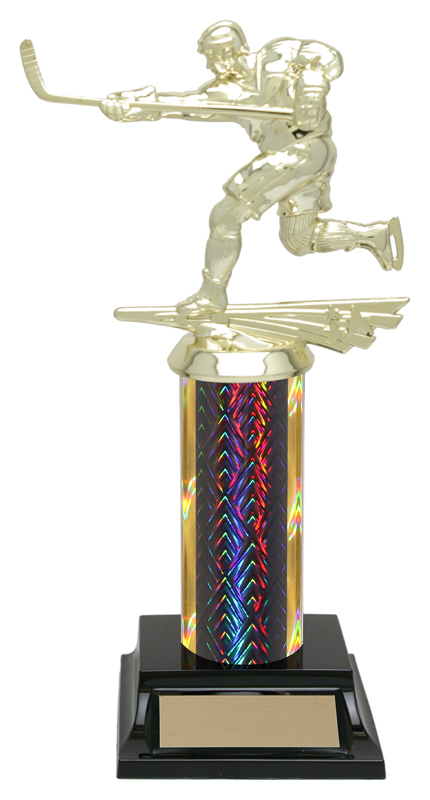
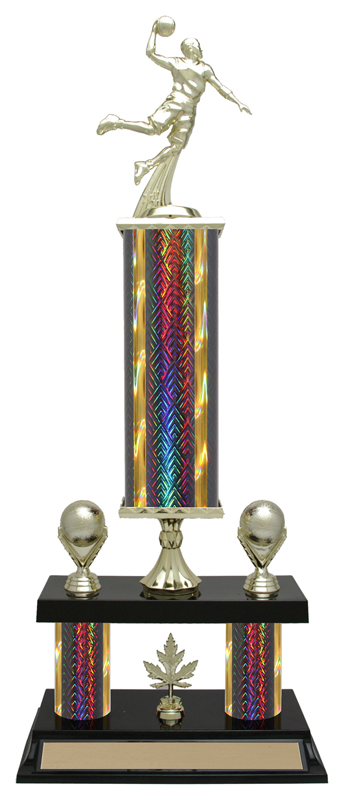
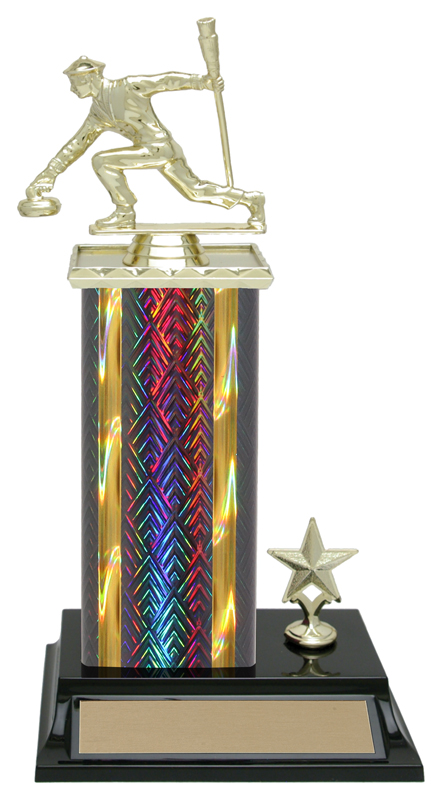
Your budget should cover all truly essential items: jerseys, logo printing, numbers, names, coaches' apparel, and complementary items. Medals, trophies, and recognition plaques can also be prepared for the end of the season with a consistent visual identity. For organizations that order regularly, keeping the approved logo, colors, number font, and printing dimensions on file simplifies future orders.
At Mr. Trophy, our screen printing, graphic design, and recognition products allow us to support teams looking to coordinate their jerseys, awards, and event items with a single specialist. Requesting a quote is the perfect opportunity to specify the fabric type, number of colors, individual customizations, and expected timeline.
A good team jersey doesn't try to show everything. It highlights the club's name, makes players easily identifiable, and stands up to the demands of the sport. By starting with a clean design, an accurate roster, and a printing method tailored to the garment, your team can take the field with a reliable, cohesive look that's ready for the entire season.
You may also like
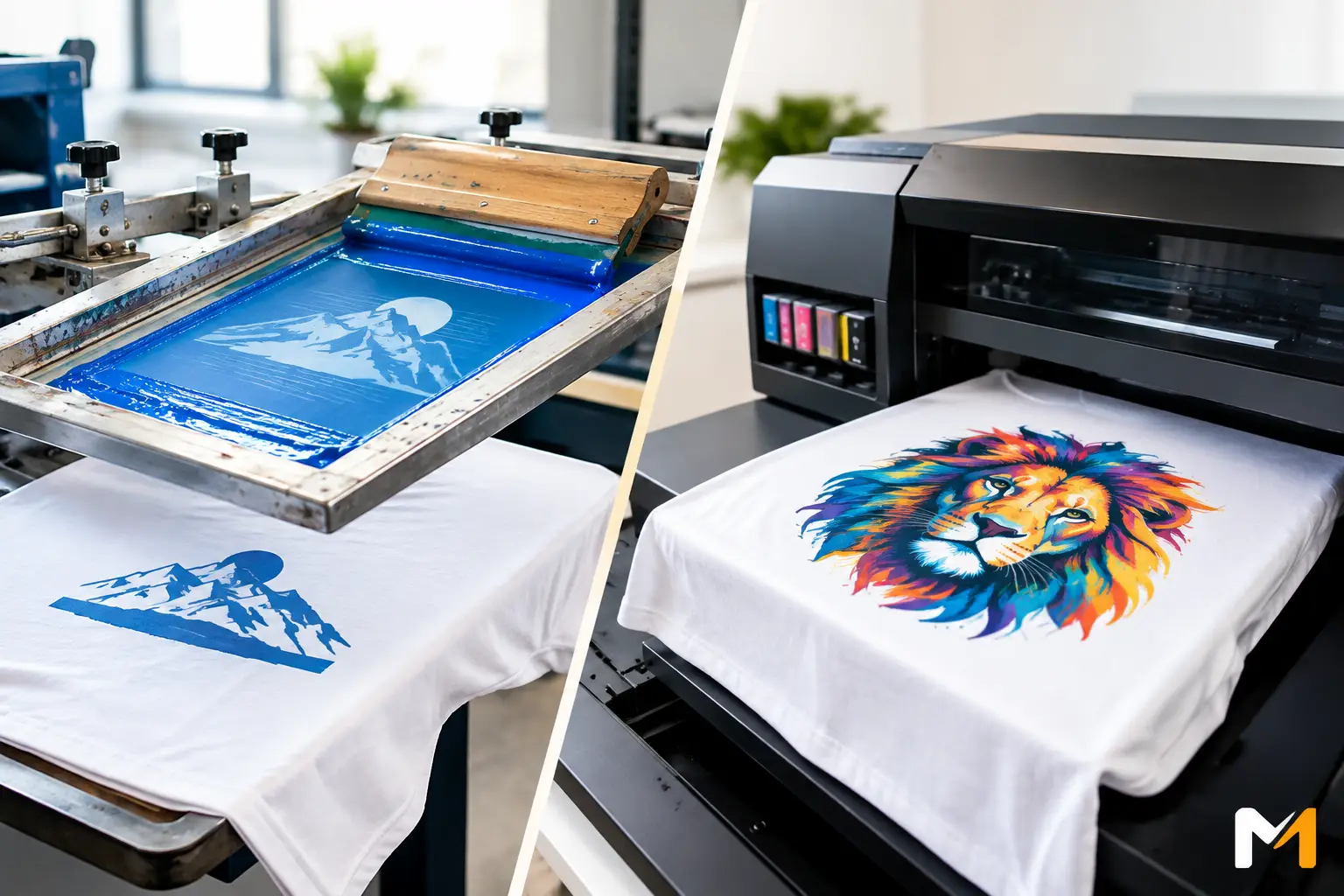
Screen Printing vs. Digital Printing: Which One Should You Choose?
Screen printing vs. digital printing: choose the right technique for your apparel, signs and promotional items for a durable, precise result.
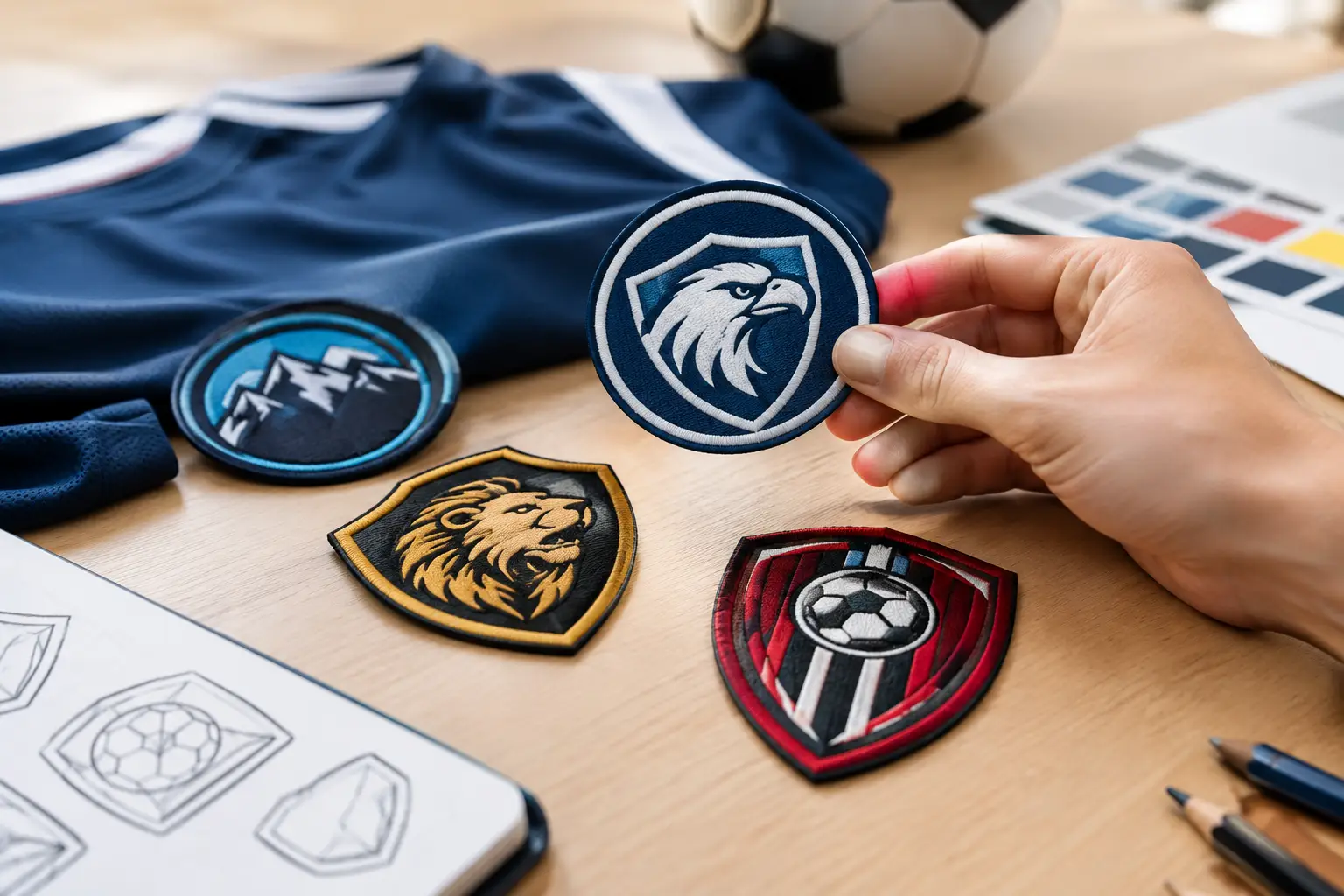
Personalizing Team Sports Patches
Tips for customizing sports team crests: materials, techniques, logos and timelines for a lasting, professional result for clubs.
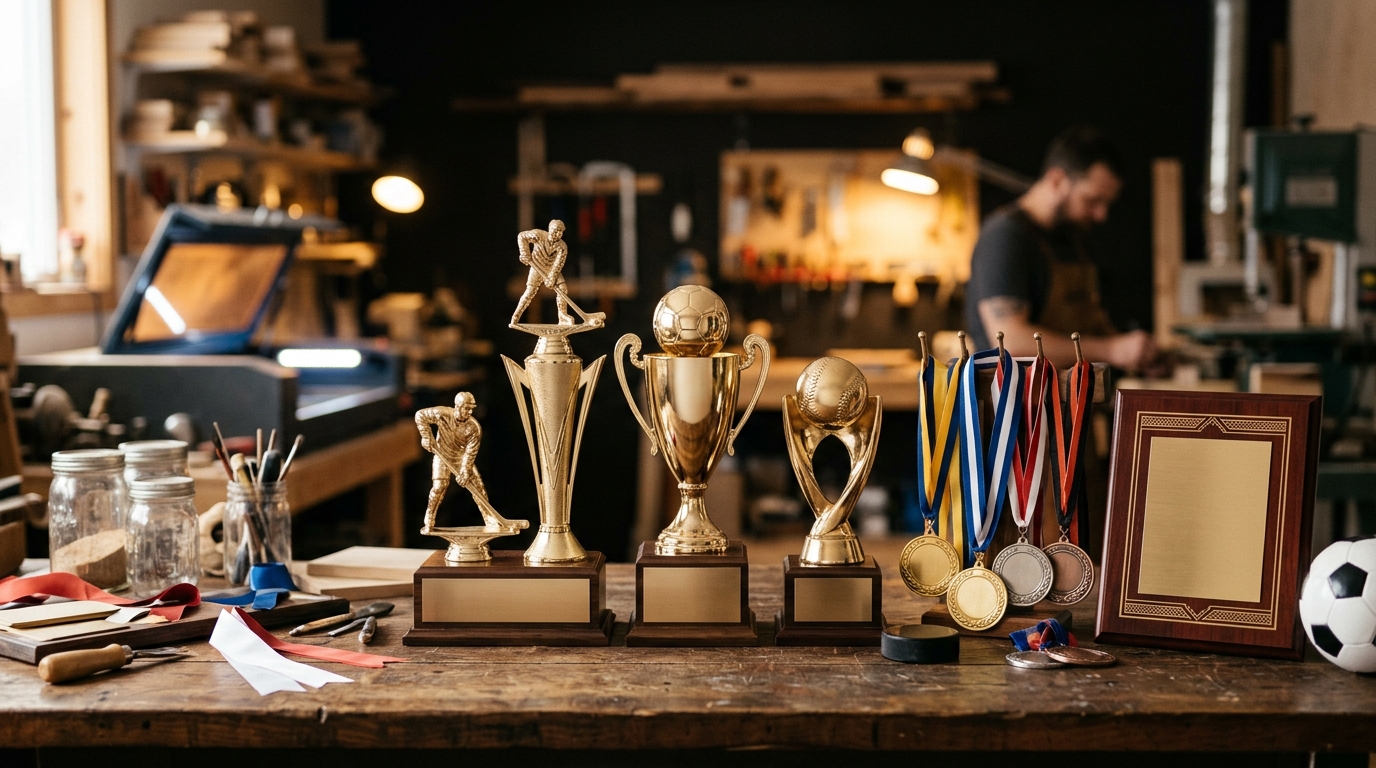
End-of-Season Trophies: How to Reward Your Entire Sports Team
End of season is the perfect time to recognize every player's efforts, not just the top performers. Discover how Mr Trophée helps you create memorable awards for your entire team in Quebec.