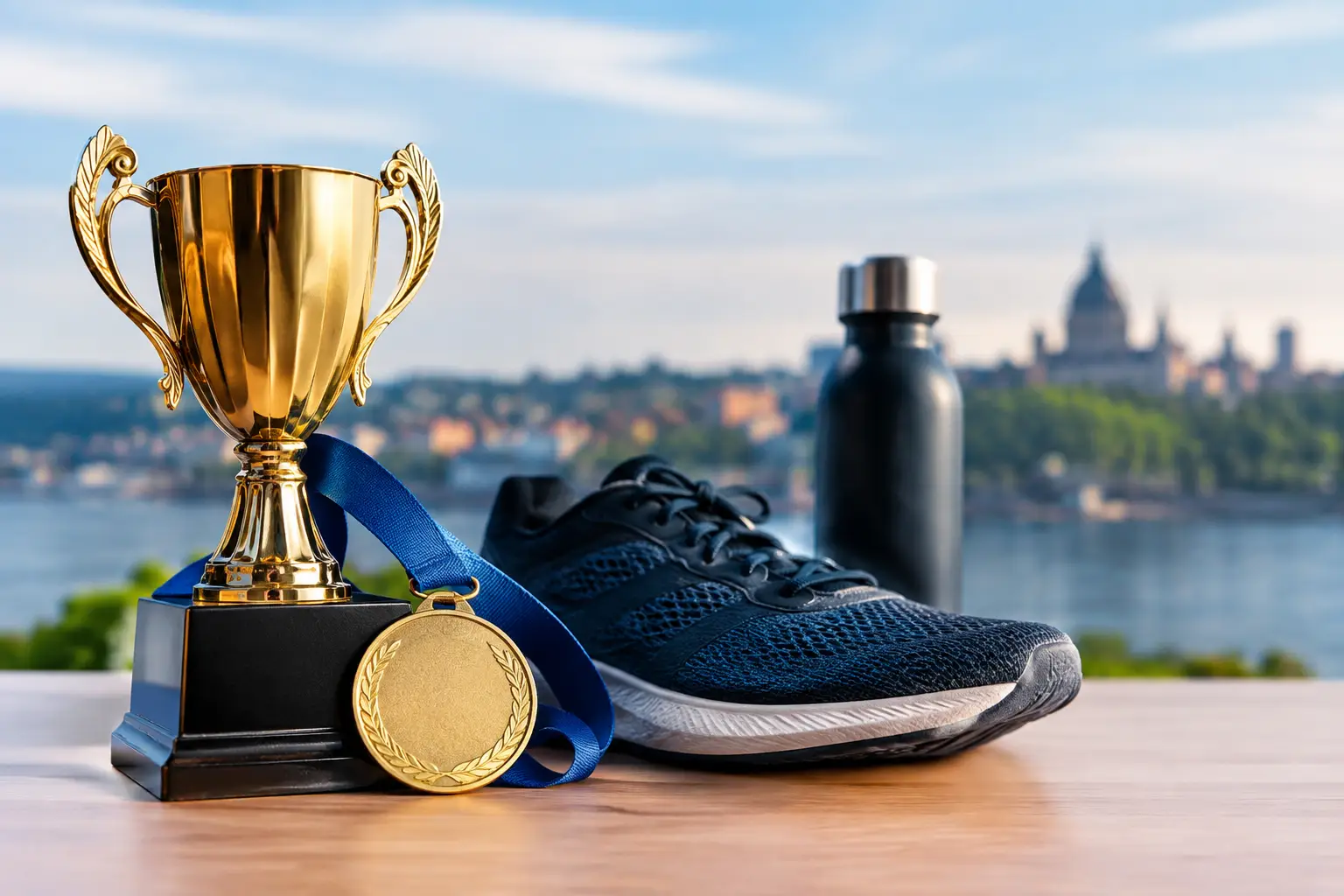
An awards table is no longer judged solely by the number of trophies lined up on it. At the end of a season, athletes, volunteers, and families notice the details: a name engraved with care, a logo that matches the team's colours, a medal that has some weight to it, and a reward that feels genuinely connected to the effort put in. The 2026 sports awards trends are moving in that direction: products that are more personalized, more durable, and better suited to every level of participation.
For a minor league, a school, a community club, an association, or a corporate tournament, the stakes are real. Awards need to be ordered with the organization's budget, timelines, and image in mind, without giving the impression that every recipient is walking away with the same generic item. Here are the choices that should guide the planning of sports awards ceremonies in 2026.
2026 sports awards trends: personalization becomes the standard
Personalization is no longer just about adding a name and a date to a plaque. Organizers want the award to tell the story of the event: league name, category, season, sport, sponsor, specific result, or a message of recognition. A championship trophy can feature the organization's logo, while a participation medal can include the event, the year, and a consistent visual identity.
This level of detail is especially useful when multiple divisions compete within the same organization. Rather than ordering a variety of unrelated models, you can create a family of awards: the same colours or the same silhouette, with engraving tailored to each category. The overall look comes across as professional, and the teams share a common identity.
Laser engraving and CNC engraving technologies make it possible to work with a wide range of materials, depending on the desired result. Laser engraving is particularly well suited to plaques, glass, certain metals, leather, and many personalized items. CNC engraving is a strong choice when depth, relief, or specific materials are part of the project. The right process depends on the material, the artwork, and the quantity required.
Awards that distinguish participation from performance
For a long time, a single type of trophy could serve every purpose: attendance, sportsmanship, improvement, championship, and volunteer recognition. In 2026, recognition programs benefit from a more nuanced approach. Rewarding all participants can support the engagement of young athletes, but a clear distinction for standout performances and contributions still carries its own value.
A well-designed awards program might include personalized medals for participants, trophies for champions and finalists, and a few targeted awards for team spirit, personal growth, leadership, or volunteer involvement. For a school or a municipality, this approach recognizes multiple forms of achievement without unnecessarily stretching the budget.
Context matters. In a one-day tournament, a durable, clearly identified medal is often more practical than a large, fragile trophy. For a full season or an interregional competition, a larger cup or trophy can better mark the achievement of a title. Perpetual awards remain relevant for established clubs, provided uniform engraved plates are planned for new winners.
The Return of Human-Value Categories
Behaviour-based categories are gaining ground. Sportsmanship, perseverance, teammate of the year, inspiring rookie, and volunteer coach reflect what organizations want to encourage beyond the standings. These awards call for precise wording on the plate or trophy. Consistent phrasing from one year to the next strengthens their credibility.
Durable Materials and Less Disposable Presentation
Event coordinators are paying closer attention to the lifespan of awards. A medal that tarnishes quickly, an inscription that is hard to read, or an unstable base can reflect poorly on the event. The least expensive option at purchase is not always the most cost-effective if the finish doesn't hold up or if it needs to be replaced.
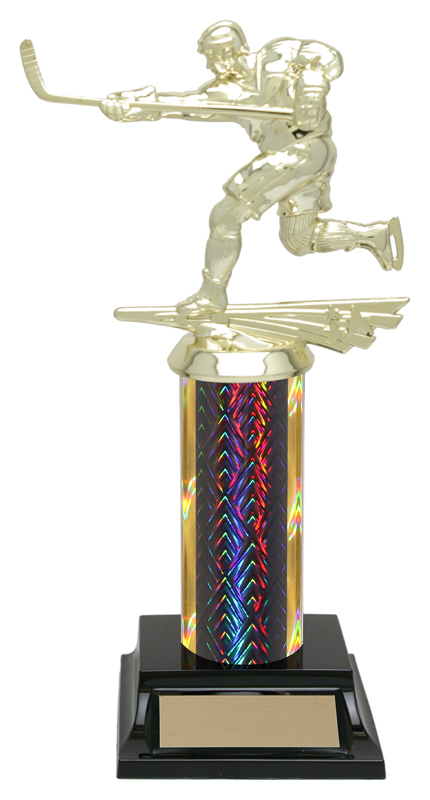
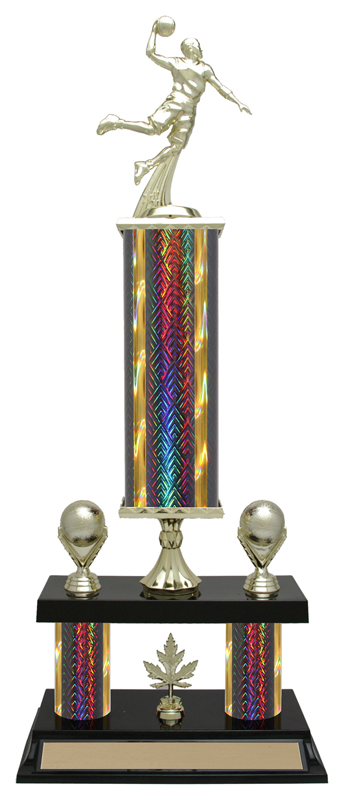
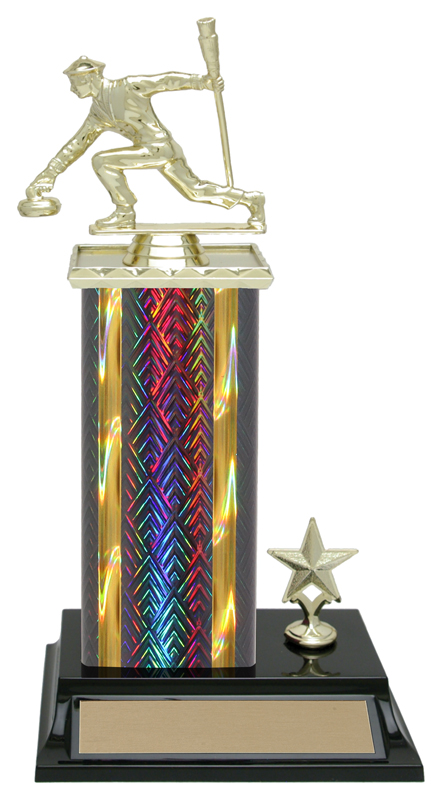
2026 trends favour materials chosen for their practical use: metal for medals and distinctions handed out in large numbers, acrylic for contemporary shapes and detailed logos, glass for galas and high-level recognition, and wood or composite materials for a warmer look. Each option has its advantages. Glass offers an elegant presentation but requires careful handling. Acrylic allows for great graphic freedom, while a traditional trophy with a base remains highly visible on a shelf.
Reducing waste also comes down to planning. Ordering a small buffer for last-minute inscriptions is wise, but accumulating dated trophies that cannot be reused is not. A design that separates the main structure from the engraved plate can make it easier to adapt a model from one season to the next.
Team Visual Identity Takes Up More Space
Sports awards are becoming an extension of a team's, school's, or event's brand. Colours, logos, and typography should be consistent across trophies, medals, banners, posters, promotional apparel, and on-site signage. This consistency is especially appreciated at tournaments that welcome visitors, sponsors, and teams from multiple regions.
A poorly reproduced logo or a low-resolution image can quickly limit the final result. It is therefore best to share available graphic files at the start of the project and confirm the official version of the visual identity. When a logo needs to be adjusted for engraving, printing, or screen printing, proper graphic preparation prevents lost detail and insufficient contrast.
For larger events, organizers can coordinate awards with team or volunteer apparel, name tags, directional signage and promotional items. This approach may not suit every minor league, but it can simplify coordination when a single supplier handles multiple custom elements. At Mr. Trophy, this combination of engraving, signage, graphic design and promotional products addresses exactly that type of need.
Production timelines influence award choices
The best award idea loses its appeal if names are confirmed too late. The 2026 sports award trends don't change this production reality: the more personalized an award is, the more accurate the information needs to be — and the sooner it must be provided.
Player names, accents, team numbers, categories and results must all be verified before production begins. A well-structured list reduces errors and speeds up approval. For trophies, commemorative plaques and end-of-season awards, placing the order before the final week of competition leaves a useful window for reasonable changes.
Organizers also benefit from specifying upfront, when requesting a quote, the number of units, the presentation date, the target budget, the logo to be incorporated and any preferred packaging options. These details make it possible to propose a realistic product rather than an appealing model that may be difficult to produce within the expected timeframe.
Planning for recurring presentations
Leagues, schools and associations that hold the same event every year can save time by keeping a reference sheet: the chosen model, dimensions, colours, base text, logo sources and quantity history. This continuity makes repeat orders easier while still leaving room to update the year, the winners or a new category.
How to choose the right award in 2026
The choice should start with the use, not just the catalogue. Begin by asking yourself what the recipient will do with the award. A medal will be worn and shown off on the day itself. A trophy will be displayed at home or in a team room. A plaque may be well suited for official recognition, a wall of champions or a donor tribute.
Next, determine the level of customization required. For large participation numbers, a standard model with a ribbon and clear identification may be the most effective solution. For winners, coaches or major partners, more detailed engraving and a more distinctive material often justify the investment. Finally, ensure consistency between the awards and the tone of the event: a school gala, a community hockey tournament and a corporate competition each call for a different presentation.
A successful sports award doesn't have to be complicated. It should be easy to read, well made, carefully personalized and presented at the right moment. By preparing artwork, text and quantities well in advance, your organization can offer a keepsake that remains meaningful long after the final whistle.
You may also like

Accessible Signage Trends 2026 in Quebec
Accessible signage trends 2026 are guiding schools, businesses and municipalities toward clear, durable and inclusive wayfinding in everyday settings.

Guide: How to Plan a Memorable Awards Ceremony
Timeline, length, budget, trophy sizes and run of show: every step to pull off a great awards ceremony, with benchmark figures in CAD.

Trophies and Awards for a Golf Tournament: The Organizer's Guide
Charity event, corporate outing or friendly get-together: learn how to choose trophies, plaques and skill prizes for a successful golf day. Our workshop tips for budgeting and engraving with confidence.