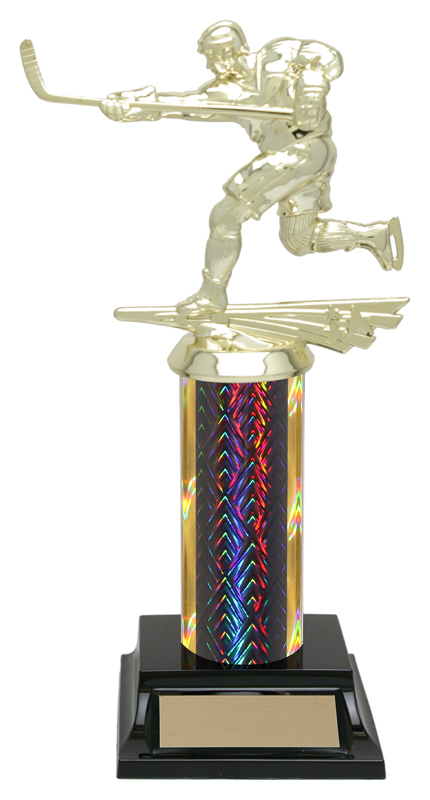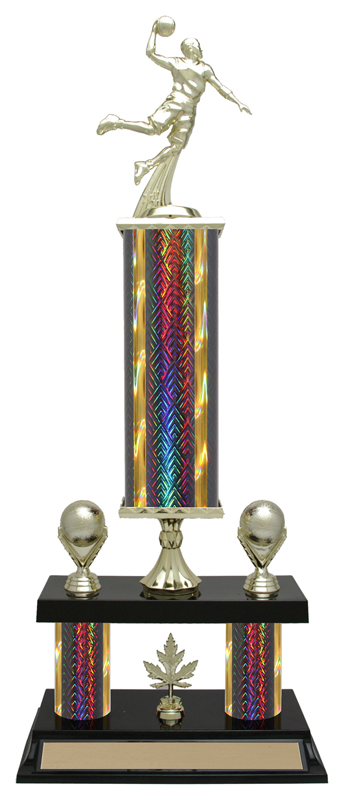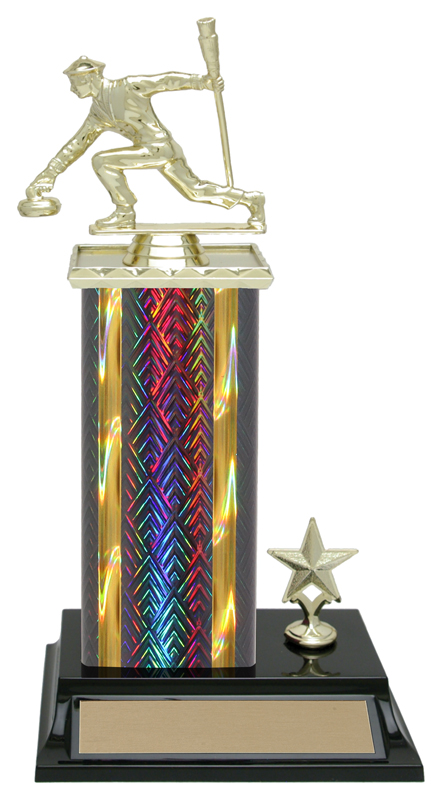

An awards ceremony isn't just about calling out the winners. 2026 trophies set the tone for the event, carry the name of the organization, and often end up displayed for years on a desk, in a showcase, or at home. For a tournament, a school, a business, or an association, the right choice needs to bring three things together: clear distinction, precise personalization, and a finish suited to its purpose.
Planning early helps avoid last-minute compromises. It also leaves time to coordinate trophies, medals, plaques, and — when the project calls for it — promotional apparel or event signage. A well-prepared recognition program looks effortless on the day itself, but it relies on concrete decisions made well in advance.
Start your 2026 trophies by defining the objective
The first step is to define what each award is meant to highlight. A championship trophy, a volunteer award, a long-service recognition, and a commemorative plaque don't serve the same purpose. Their format, wording, and level of prestige can vary, while still sharing a common visual identity.
For a sports league, it's often worth building in a hierarchy: a main trophy for the champion team, cups or statuettes for individual categories, and then medals for participants, finalists, or volunteers. This approach honours achievement without losing sight of the spirit of participation. In a school setting, awards for perseverance, improvement, or engagement can complement academic and athletic distinctions.
In a business context, recognition is more meaningful when it's tied to specific contributions. An "employee of the year" award is still effective, but it carries more weight when it mentions the value or result being recognized: customer service, safety, innovation, years of service, or team performance. The engraved text should provide context without becoming too cluttered.
Before choosing a design, confirm the number of recipients, the categories, the budget per award level, and the actual ceremony date. That last point includes the date by which items need to be ready for review — not just the event date itself.
Choosing the right type of trophy
The material changes how an award is perceived just as much as its shape does. The choice depends on budget, audience, the style you're going for, and the conditions under which the item will be handled or displayed.
Acrylic trophies offer a clean, contemporary look. They're particularly well suited to businesses, associations, and events where a logo, illustration, or detailed text needs to stand out clearly. Cut-out shapes also make it possible to incorporate elements from a visual identity, such as a letter, a silhouette, or an emblem.
Glass and crystal create a more ceremonial impression. They're a popular choice for tributes, retirement send-offs, recognition awards, and landmark achievements. Their weight and transparency give them a real presence, but they require careful packaging and handling. If the award will travel frequently or be presented to young recipients, a more durable design may be the better option.
Cups, resins and statuettes remain reliable choices for sports awards. They make it easy to identify the discipline, especially when they feature a hockey, soccer, baseball, dance, golf or martial arts motif. An engravable base is essential: it should provide enough space for the name, category, season and organization logo.
Plaques are an excellent solution when recognition is meant to be displayed. They work well for seniority programs, volunteer tributes, dedications and municipal recognition. Depending on the project, metal, wood, glass or a Lamicoid-type product can meet very different needs in terms of durability and presentation.
Engraving must be legible before it can be decorative
A beautiful piece loses its value if a name is misspelled, the date is wrong or the typography becomes difficult to read. Preparing engraving content deserves the same careful review as any official document.
Prepare a final list in a consistent format: full name, category, team or department, year and any special mention. Avoid circulating multiple versions of the same file among committee members. Ideally, one person should be responsible for confirming spelling and accents, particularly for proper names.
Laser engraving offers great precision on many materials, including glass, acrylic, wood, leather and certain metals. CNC engraving may be appropriate for plaques, signage or pieces requiring a specific depth and finish. The process chosen depends on the material, the artwork and the desired effect.
The logo should be provided in the best possible quality. A vector file generally makes it easier to reproduce clean lines, especially in smaller formats. If the logo contains very fine details, it is sometimes necessary to simplify the artwork so that the engraving remains clear. This is a useful technical adjustment, not a loss of identity.
Finding the right balance in your text
Shorter text is easier to read and maintains a more polished look. For an individual trophy, the recipient's name should be the most prominent element. The category and organization can follow, with the year or season last.
For a commemorative plaque, a short personalized phrase can have its place. However, the available surface area must be taken into account. Reducing the font size excessively to fit a lengthy message harms both readability and the impact of the gift.
Aligning your awards with your image
Trophies do not exist in isolation from the rest of an event. They can reflect a team's colours, a school's logo, a municipality's emblem or the visual identity of an internal campaign. This consistency is especially valuable for organizations that hold multiple activities throughout the year.
The same visual can be carried across medals, name plaques, banners, directional signs and promotional apparel. The goal is not to personalize everything systematically. Rather, it is to create visual touchstones that make the event recognizable and professional.
For a recurring ceremony, think about what will change from one year to the next. A perpetual cup with annual engraved plates suits long-standing traditions. Winners then keep an individual trophy or medal, while the main award remains associated with the organization. This approach preserves the history of the competition without having to replace a large piece every season.
Planning for production timelines and unexpected delays
Customization requires a sequence of work: product selection, receipt of text and logos, visual approval, production, engraving verification, and order preparation. The more categories, different names, or formats a project includes, the earlier this sequence needs to begin.
Last-minute orders are sometimes possible, but they limit options and increase the risk of errors. End-of-sports-season, school gala, and year-end recognition periods are naturally busier. Building in extra time is a practical decision that protects the quality of the final result.
A good approach is to set two deadlines. The first is the cutoff date for receiving all names and text. The second is the desired delivery or pickup date, a few days before the ceremony. This buffer allows you to check each item and quickly correct any omission before guests arrive.
A simple check that prevents a lot of problems
Before launching production, review the proof carefully, paying close attention to names, accents, dates, jersey numbers, and categories. Also verify that awards are assigned to the right level: champion, finalist, participant, rookie, coach, or volunteer.
For large volumes, number your categories and use the same numbering in your names file. This small discipline makes packaging, distribution at the ceremony, and tracking a missing piece much easier. It is also helpful when several people are setting up the awards table.
Making an award something people keep
The best trophies of 2026 are not necessarily the most impressive in size. They are the ones that give recipients a specific reason to be proud. Careful engraving, a sturdy base, a material that suits the occasion, and a well-organized presentation all create that lasting impression.
At Mr Trophée, customization can bring together trophies, medals, plaques, signage, and engraving on items chosen for your program. By preparing your categories, text, and visual identity now, you will leave each recognized individual with far more than an award: a clear mark of the effort they brought.
You may also like
7 Types of Trophies That Make Every Award Occasion Memorable
Explore 7 types of custom trophies for sports, corporate, and school events. Order engraved awards in Canada with guaranteed best prices and fast turnaround.

Engraving Errors That Ruin Award Plates and How to Catch Them
Misspelled names, missing French accents and logos without vector outlines ruin award plates. Run this pre-production proofing check before engraving.
How to Recognize Your Volunteers: Plaques, Medals and Trophies That Make an Impression
Your volunteers give their time freely. Here is how to choose an engraved award that truly says thank you, with ideas, budget tips and advice for Quebec clubs and organizations.