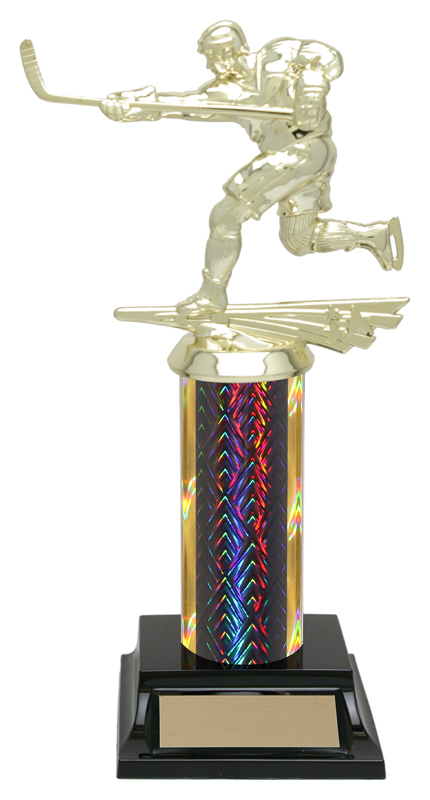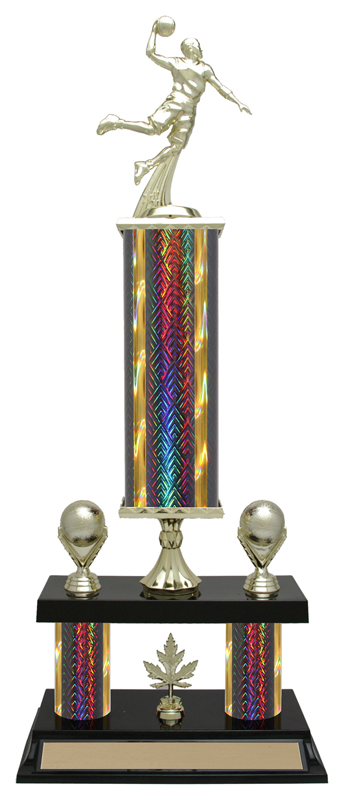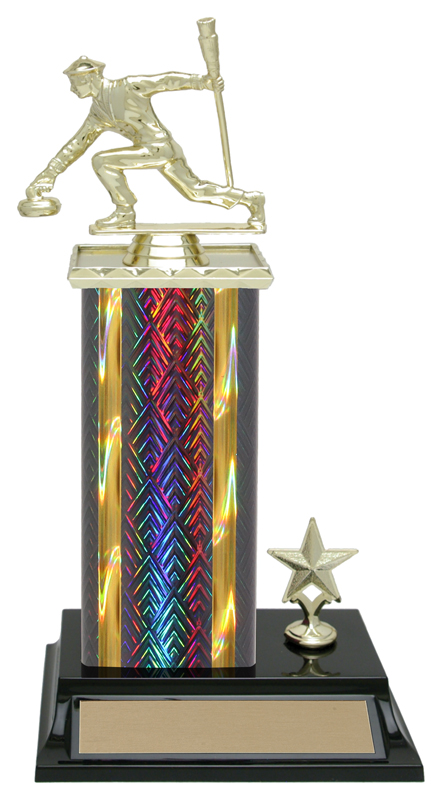

A cup presented at the end of a tournament, a recognition award for an employee, or a school trophy needs to make a strong impression at the moment it's given, while also retaining its meaning over time. Choosing between a metal versus resin trophy goes beyond budget alone: it affects the weight in hand, the perception of prestige, durability with use, and personalization options.
For a sports league, a school, a municipality, or a business, the right material depends first on the occasion, the number of units to produce, and the identity the award needs to convey. Metal and resin each meet specific needs. Comparing them makes it easier to order a trophy that is cohesive, lasting, and easy to identify through an engraved plate, a logo, or personalized text.
Metal versus resin trophy: a difference that's visible from the moment of presentation
Metal naturally evokes permanence, achievement, and institutional value. Depending on the model, it can feature a shiny, brushed, gold, silver, or painted finish. Its weight also adds a ceremonial dimension: a metal trophy often feels more substantial when presented on stage or photographed.
Resin offers an entirely different kind of visual freedom. Moulded into detailed shapes, it can reproduce a player in action, a baseball glove, an open book, an animal, a microphone, a flame, or a symbol specific to a discipline. The relief, textures, and antique bronze effects are particularly well suited to themed trophies.
The goal isn't to determine which material is "better" in absolute terms. An annual leadership award, a championship cup meant to be passed on year after year, or a corporate tribute often pair well with metal. Conversely, a sports presentation intended for multiple age categories can benefit from the expressive silhouettes and strong value-for-money of resin.
When to choose a metal trophy
Metal trophies are well suited to awards where understated elegance and longevity are central. They are frequently seen at competitions, galas, competitive-level tournaments, long-service awards, and business recognition events. A metal cup on a base, for example, remains a classic choice for marking a first-place finish or an exceptional contribution.
A more formal presence
Metal pairs easily with an organization's visual identity. A silver finish can suit a contemporary event, while a gold cup evokes a sporting tradition. Combined with a black, wood, or synthetic marble base, it creates a structured presentation that works equally well for a municipal ceremony or an association banquet.
This formal appearance is useful when the award is likely to be displayed in an office, a school showcase, or a reception area. The trophy then becomes a lasting recognition piece, not simply a memento handed out on the night.
A good option for recurring awards
Some organizations present the same type of award every year: volunteer of the year, most valuable player, academic excellence, innovation, or distinguished service. A metal design can support this visual continuity, especially when a new engraved name plate is added each year to a perpetual trophy.
Metal also lends itself to clean customization on a plate. Names, dates, categories, and logos can be arranged in a readable layout, with a clear hierarchy between the award title and the recipient's name. For recognition programs that need to remain consistent from one edition to the next, this legibility matters just as much as the material itself.
Points to anticipate
A metal trophy can cost more than a resin model of comparable size, especially when its construction, finish, or base is more elaborate. Weight is also worth considering for ceremonies involving a large number of awards, for shipping, or for events with young children.
Finally, some highly polished metal surfaces require careful handling to avoid fingerprints before the ceremony. Thorough preparation, appropriate packaging, and a review of engraved plates before the event will help maintain the quality of presentation.
When to choose a resin trophy
Resin is particularly well-suited when the trophy needs to visually represent an activity. In sport, it allows the discipline to be identified at a glance. For a school or community organization, it also offers warm and accessible designs without requiring a gala budget for every recipient.
Shapes that tell the story of the achievement
A resin trophy can depict a goaltender, a soccer player, a runner, a hockey player, or a symbolic figure connected to music, the arts, or academic achievement. This figurative dimension speaks directly to participants, especially at end-of-season ceremonies where fun, team spirit, and lasting memories matter a great deal.
Bronze-look, antique silver, and antique gold finishes add dimension without weighing down the overall look. They are equally effective for humorous awards, special categories, or volunteer recognition, when a less formal but still polished reward is desired.
A practical choice for large orders
When a committee needs to order dozens of trophies for a tournament, a minor league, or a school recognition day, resin often makes it possible to achieve a cohesive look across the range. Categories can vary by size, plate colour, or engraved wording while maintaining the same overall style.
Its lighter weight also makes handling easier. This is a real advantage for coaches, volunteers, and event organizers who need to transport the awards, set up a presentation table, and distribute the prizes within a limited amount of time.
Limitations to consider
Resin holds up well under normal display and presentation conditions, but it remains more vulnerable to significant impacts than a well-constructed metal piece. A drop onto a hard surface can damage a raised element, particularly on models with finer, more delicate forms.
Its highly thematic style can also be less appropriate for certain corporate recognitions. A performance or long-service award intended to be displayed in a professional setting sometimes calls for a cleaner look, where metal, glass, or an engraved plaque will carry more presence.
Personalization: the detail that transforms a trophy
Whatever material is chosen, personalization is what takes a trophy from a catalogue product to a genuine mark of recognition. The recipient's name, the date, the title of the distinction, and the name of the organization must be accurate, balanced, and easy to read. For a tournament or competition, it is often worth adding the discipline, the age category, and the placing.
On a metal trophy as much as on a resin trophy, an engraved plate can provide a professional finish. The colour of the plate, the font, the amount of text, and the placement of the logo are all worth deciding based on the actual size of the base. Text that is too long reduces legibility and weakens the visual impact.
For institutional orders, a good-quality logo file helps achieve clean marking that stays true to the organization's image. A production team with expertise in laser engraving, CNC engraving, and graphic preparation can also advise on a format suited to the material and the available space. This step is particularly useful when multiple categories, spellings, or team names need to be verified.
How to decide based on your event
Start by asking yourself what the recipient should feel and keep. For a prestigious distinction, a perpetual award, or a corporate recognition, metal generally conveys a sense of permanence. For a sporting, school, or community event with a strong visual identity, resin allows for something more representative and expressive.
Order volume also matters. A single large championship trophy may justify a more substantial metal construction, whereas a series of individual awards often calls for a balanced solution between aesthetics, budget, and logistics. It is also possible to combine both: a metal cup for the championship team and personalized resin trophies for the players, coaches, or category winners.
Finally, keep your timeline in mind. A personalized order requires confirming models, quantities, text, and visuals early enough to allow for production and review. Preparing a final list of names with the correct accents and titles avoids last-minute corrections.
When choosing between metal and resin, start with the person who will receive the trophy and the story your organization wants to highlight. An award that is well-proportioned, clearly engraved, and suited to its context will remain a cherished memento long after the applause has faded.
You may also like
Screen Printing vs. Digital Printing: Which One Should You Choose?
Screen printing vs. digital printing: choose the right technique for your apparel, signs and promotional items for a durable, precise result.
UV vs. Screen Printing: Which Marking Method Should You Choose?
UV vs. screen printing: compare precision, colours, durability and costs to choose the right marking method for your trophies, items and professional signage.
Magnetic Plaques or Stickers: Which Should You Choose?
Magnetic plates or stickers: compare hold, application, reusability and finish to choose the right signage for each professional use.