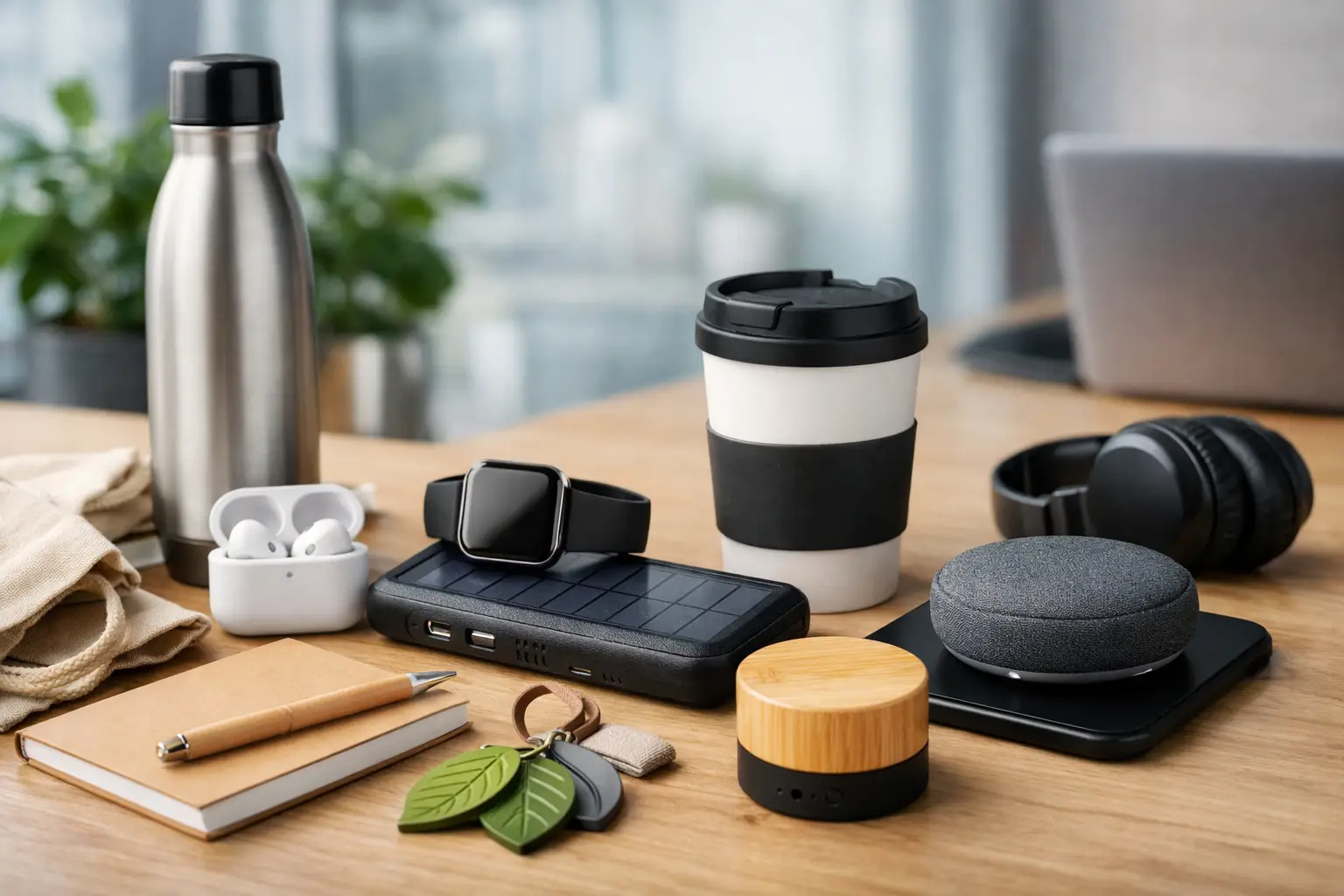
A promotional item forgotten in a drawer does nothing to strengthen your brand or your relationship with its recipient. Current promotional product trends go well beyond simply placing a logo on an item: they favour products that are useful, clearly branded, and suited to the specific context of a team, an event, or an organization.
For a school, a municipality, a sports association, or a business, the right choice depends less on how new the product is than on whether it will be kept, used, and associated with a positive experience. A water bottle given to volunteers, a branded piece of clothing for a team, or an engraved gift to mark a year of service each serve a different purpose. Personalization should follow that purpose.
Promotional product trends: usefulness over accumulation
The most enduring trend is straightforward: give something that actually gets used. Items connected to everyday professional life, commuting, leisure, and group activities remain especially relevant because they create repeated opportunities to display a visual identity.
Water bottles, insulated mugs, reusable bags, notebooks, desk accessories, promotional apparel, and sports activity items all hold their place for that reason. Their appeal isn't simply a matter of popularity. They offer a clear branding surface, a solid lifespan, and a perceived value that exceeds that of an item distributed without any particular intention.
This doesn't mean a product has to be expensive to be effective. At a trade show, an open house, or a large-scale awareness campaign, a simple, well-chosen item can do the job perfectly well. On the other hand, when thanking a partner, welcoming a new employee, or recognizing years of service, the quality of the materials and the finish matter considerably more. Budget should therefore be allocated according to the role each item plays, rather than applied uniformly across all recipients.
More precise and more personal customization
Generic branding is gradually giving way to personalization that carries meaning. A logo remains essential for brand recognition, but it can be complemented by a first name, a title, a team number, a date, the name of an event, or a message of appreciation.
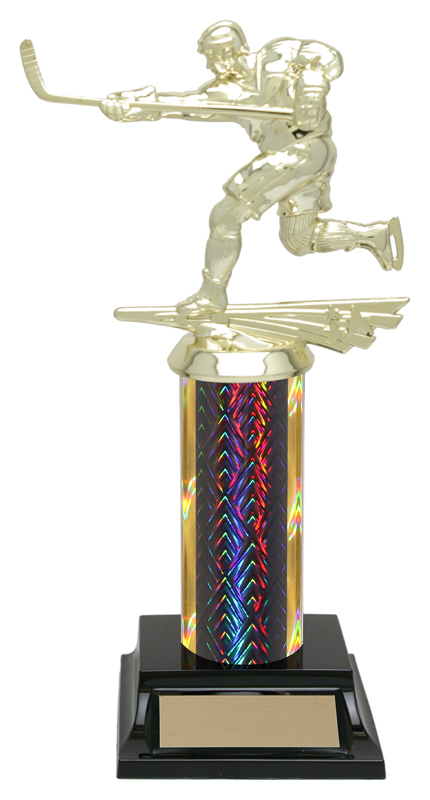
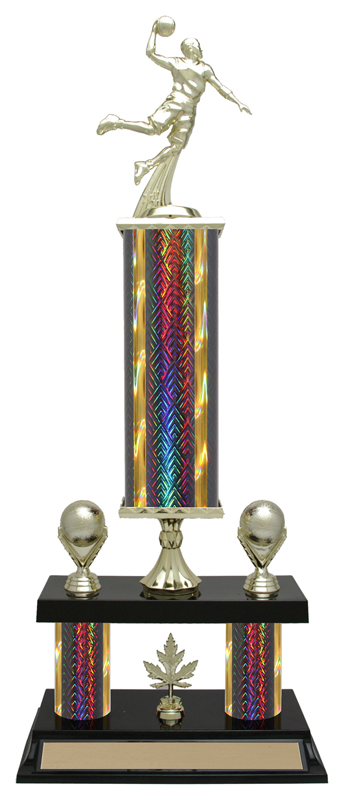
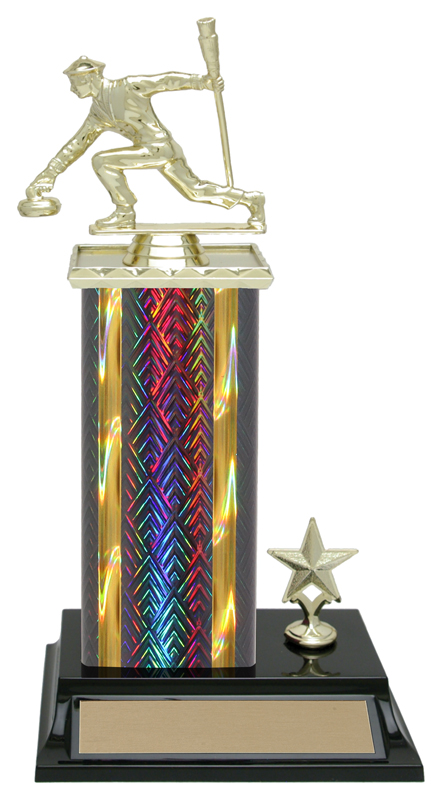
This approach works particularly well when a promotional item accompanies a meaningful moment. A medal or trophy celebrates an achievement. An engraved plaque commemorates a contribution. A personalized gift can mark a retirement, a promotion, a work anniversary, or the successful completion of a project. In these situations, the item carries both the organization's image and the story of the person receiving it.
Production techniques should be chosen based on the material. Laser engraving produces a clean, lasting result on a wide range of surfaces, including glass, metal, wood, leather, and certain plastics. CNC engraving is well suited to specific identification and signage needs. Screen printing remains an effective option for textiles and visuals requiring bold colours. A properly prepared graphic file ensures a legible result, even on a small surface.
Precision isn't just about the logo. You need to verify the spelling of names, accents, dates, titles, and numbers before production begins. For an institutional order, this step protects the quality of the project just as much as the choice of product itself.The Return of Objects That Last
Organizations are increasingly examining the lifespan of the products they order. This shift favours solid, reusable, and easy-to-maintain items. A product kept for several years can offer more consistent visibility than a large distribution of short-lived articles.
Natural or recycled materials are attracting attention, but they shouldn't be selected solely for their appearance. You also need to consider their durability, the quality of marking they can accommodate, and how well they suit the intended use. A recycled-cover notebook can be very relevant at a training session. A reusable bottle is better suited to a team on the go, a tournament, or a wellness program. A quality garment can become a genuine tool for belonging among employees and volunteers.
The responsible choice is often the one that avoids waste. Ordering an adjusted quantity, choosing a durable marking size, and prioritizing a useful item are all concrete decisions. In some cases, it's better to offer fewer items but select a piece that will actually be worn or used.
Promotional Apparel Becomes a Sign of Belonging
Branded apparel no longer serves only to display a logo at an event. It's used to distinguish staff, strengthen team spirit, and create a uniform presentation to the public. T-shirts, polos, caps, jackets, and sportswear can all meet these objectives, provided the style is chosen according to the actual context.
For a field team or a sporting activity, durability, comfort, and ease of care matter just as much as the look. For welcoming guests at a conference or a cultural event, the cut, colour, and legibility of the logo often take precedence. There is therefore no universal promotional garment. A single organization may need a professional polo for its representatives, a more casual T-shirt for volunteers, and a cap for an outdoor activity.
Personalization can remain understated. A logo placed on the chest, a name embroidered or printed on a sleeve, or identification on the back may be enough. An overly busy design can sometimes shorten the visual lifespan of the garment. It's preferable to plan for a graphic signature that is legible from a distance and consistent with your other materials, including your plaques, signs, name badges, and event documents.
Promotional Items Integrated Into an Experience
The best projects don't treat the item as a last-minute addition. They integrate it into the experience of the person receiving it. At a tournament, for example, medals, team apparel, water bottles, and trophies can all share a common identity. For a recognition ceremony, the award, the program, the signage, and the gift presented can come together as a cohesive whole.
This consistency reinforces the perception of professionalism. It also simplifies organization: colours, logos, typography and the information to be engraved or printed are defined once, then adapted across different products. For buyers managing recurring orders, this approach reduces errors and speeds up restocking.
Smaller items also retain their value when they serve a clear purpose. A name badge makes introductions easier during a meeting. A door plate improves wayfinding in a facility. A labelled key tag can be practical for a department or a fleet of vehicles. Their role is less promotional in the traditional sense, but they contribute directly to an organized and recognizable image.
How to choose without blindly following trends
Before selecting a product, start by identifying who will receive it and how it will be used. An item intended for students, athletes, municipal officials or loyal customers does not meet the same criteria. Also consider how long the item needs to remain relevant. An event date works well on a commemorative medal, but may limit the reusability of a garment or bag.
The customization area deserves particular attention. A logo with many fine details may lose legibility on a small item. Conversely, a large textile surface allows for a more expressive visual. A simplified version of your graphic identity may be necessary depending on the product chosen.
Finally, plan your timeline carefully. Orders that include individual names, quantities by size, multiple graphic versions or specialty materials require thorough approval. Preparing lists, files and submission dates in advance leaves room for adjustments rather than forcing a last-minute compromise.
For organizations looking to combine recognition, signage, engraving and promotional products, working with a shop capable of handling multiple types of marking simplifies coordination. At Mr Trophée, the conversation can start from the concrete need — thanking, identifying, equipping or celebrating — and then guide the choice toward the right medium and customization technique.
A well-chosen promotional item doesn't need to follow every trend. Above all, it should fit naturally into the day of the person who receives it, carry your identity with purpose, and live up to the occasion it represents.
You may also like

2027 Corporate Gifting Trends to Watch
2027 corporate gifting trends prioritize practicality, sustainability, and personalization. Concrete ideas for your teams and successful events.
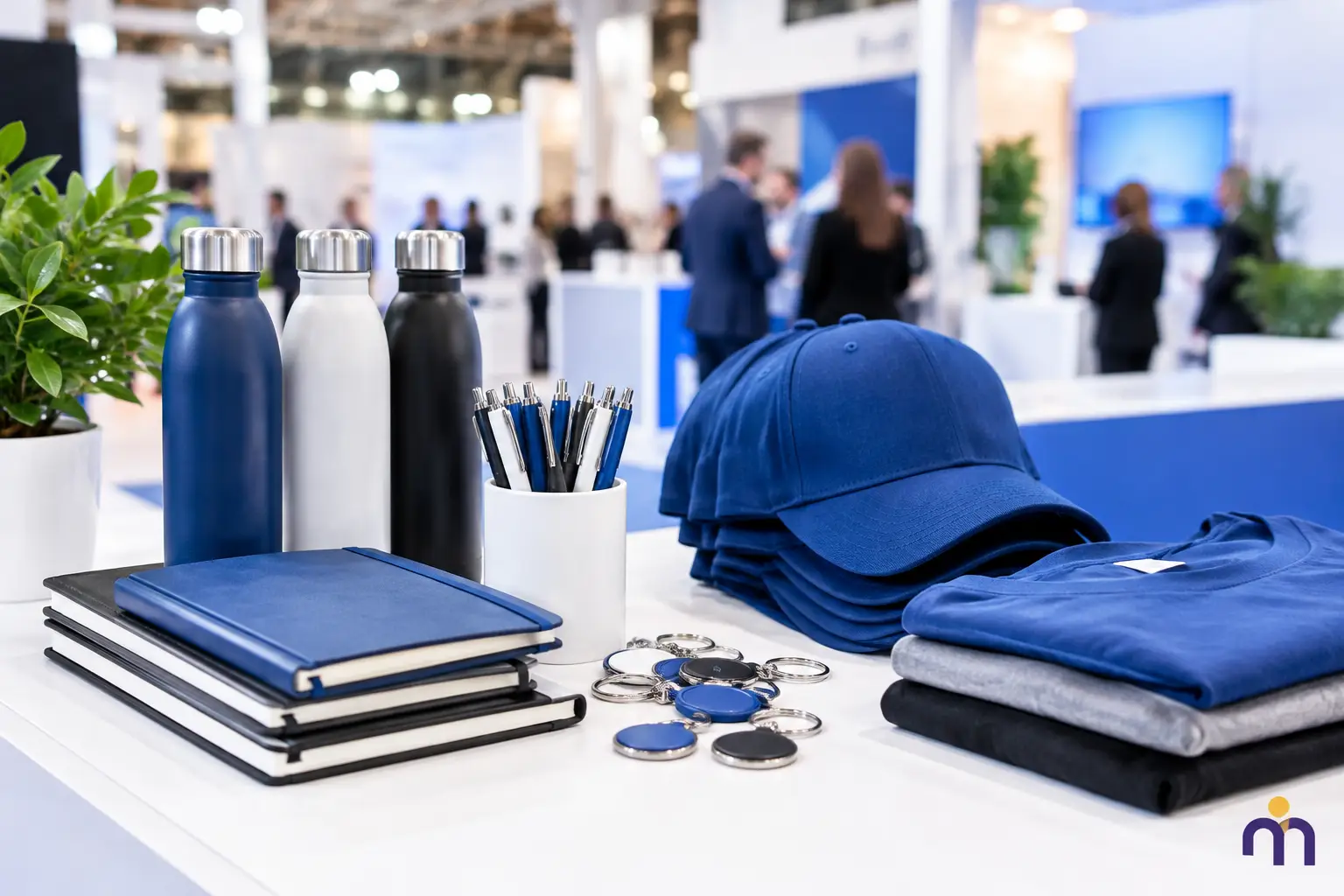
Best Promotional Products for Trade Shows
Choose the best promotional items for trade shows: useful, personalized giveaways tailored to your booth traffic, budget, and realistic timeline.
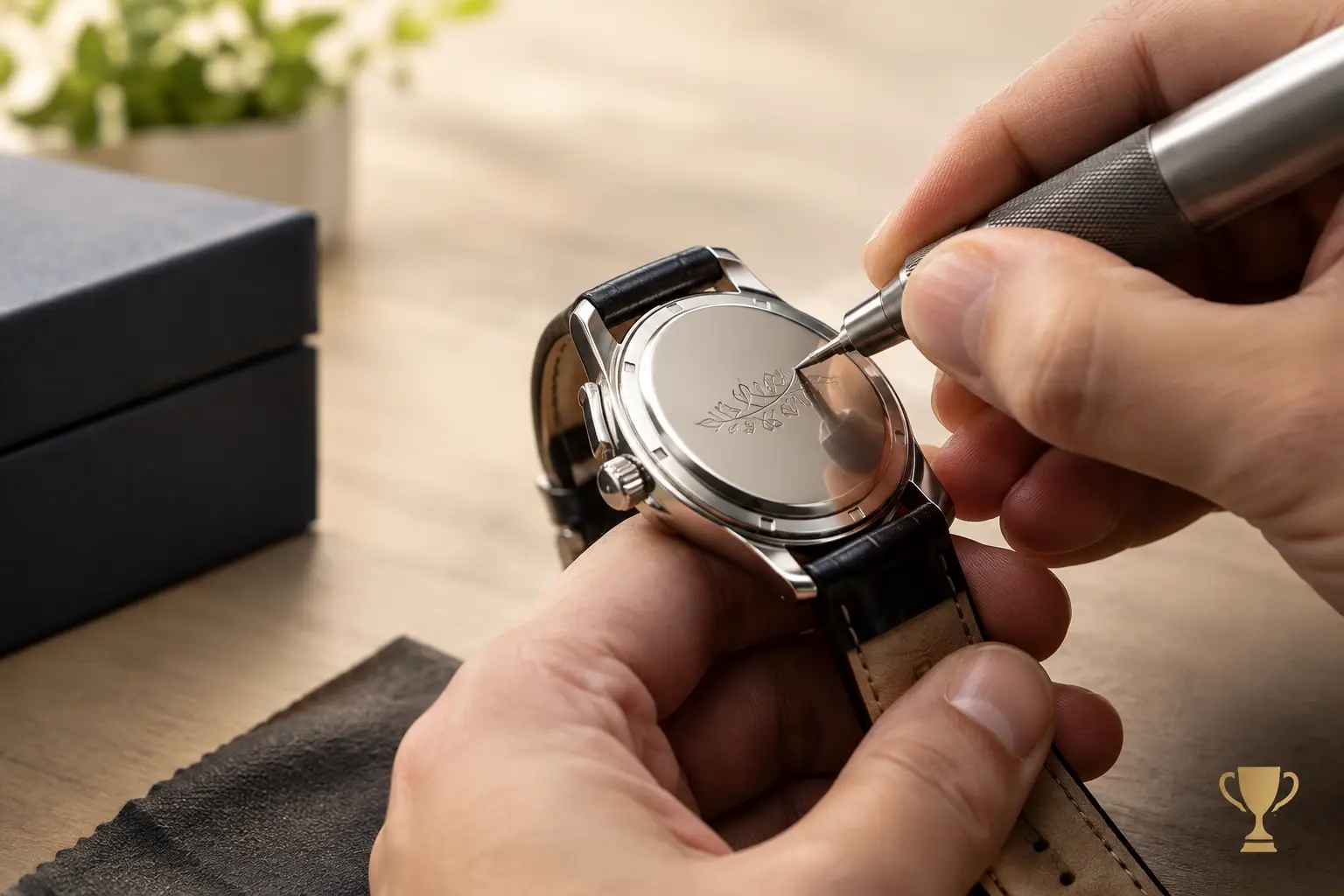
Watch Engraving: Options and Advice
Having a watch engraved requires choosing the right placement, material, and message. Tips for a durable, precise, and uniquely personal result.