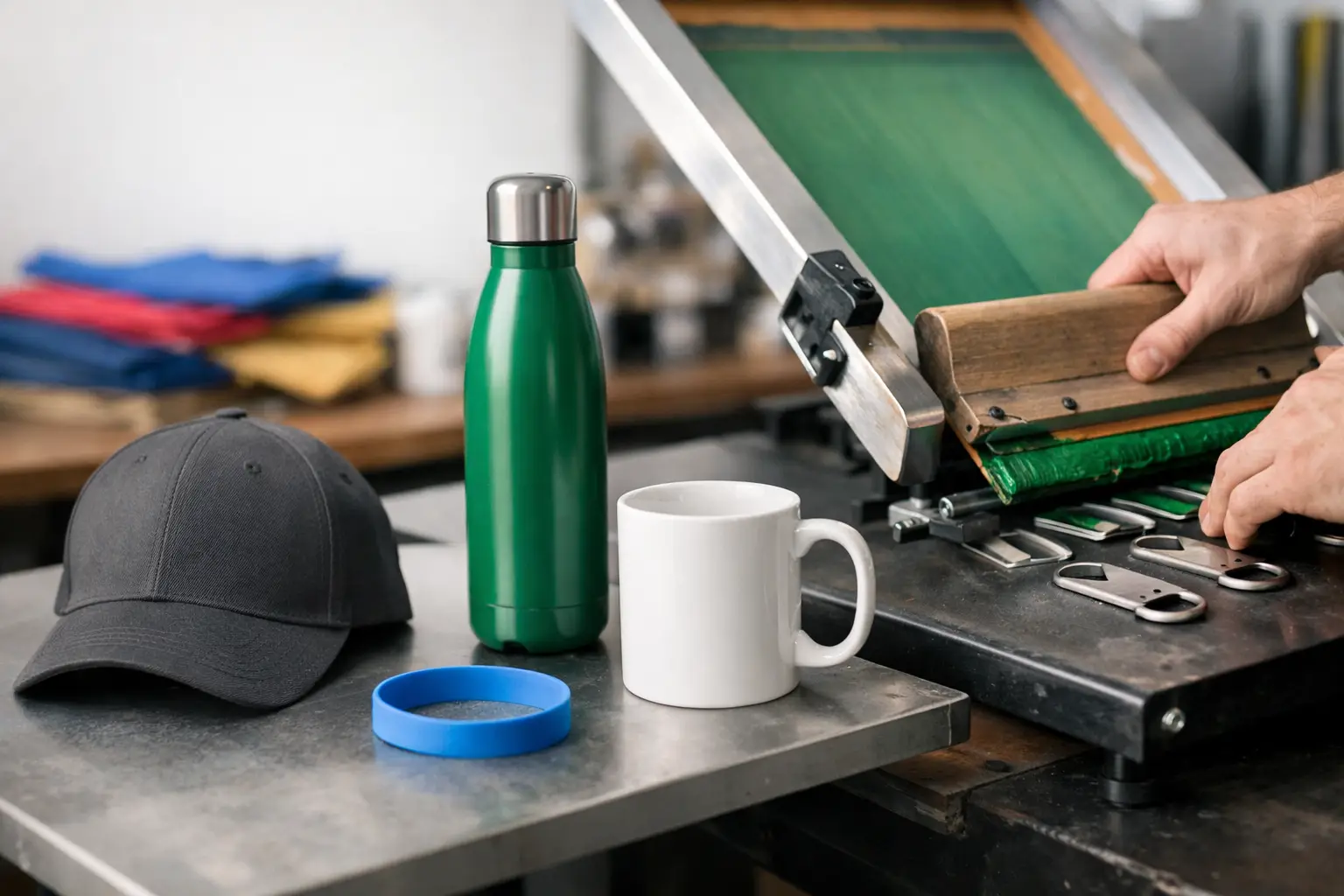
A cup handed out at a tournament, a bag given out at a conference, or a shirt worn by a team can stay visible for months, sometimes years. Screen printing on promotional items gives these products a clear purpose: getting your name, logo, or message out there with clean, repeatable marking suited to real-world use.
For a school, a municipality, a sports association, or a business, the right item isn't chosen on unit price alone. You also need to consider the lifespan of the product, the number of colours in the design, the quantity required, and the conditions under which the item will be used. A well-prepared print enhances the campaign. On the other hand, an overly detailed logo or a poorly suited product can reduce the legibility of the final result.
When to choose screen printing for promotional items
Screen printing involves depositing ink onto a surface using a screen prepared for each colour in the design. This method is particularly well suited when the same logo, slogan, or graphic needs to be reproduced on a series of items. It produces clean, solid colour fills, good opacity, and a professional look on a wide range of products.
It is often chosen for promotional clothing, reusable bags, sports bags, aprons, pouches, certain plastic items, notebooks, and various accessories intended for event distribution. It works very well for group orders: teams, reception staff, volunteers, race participants, department employees, or association members.
Volume matters. Since preparing the screens requires a separate production step, screen printing generally becomes more cost-effective when the same design is applied to multiple units. For a very small run with different names, another personalization method may be more appropriate. The choice therefore depends on the product, the quantity, and how much the information to be printed varies from one unit to the next.
Choosing a product that will actually be used
An effective promotional item isn't necessarily the most impressive one. It's the one that fits into the daily routine of the person receiving it. A bottle goes along for the ride, a bag comes along for errands or sports activities, and a shirt can become a team staple. The more useful the item, the more your branding stays front and centre.
Textiles and promotional clothing
T-shirts, polos, hoodies, caps, aprons, and fabric bags are natural products for screen printing. They are particularly well suited to employee identification, team uniforms, and campaigns that call for strong visibility. A logo placed on the chest can work well for a uniform, while a large graphic on the back is often preferable for a team, an event, or a sponsorship.
The textile composition must be verified before production. Cotton, cotton-polyester blends and technical fabrics do not all react the same way to inks and heat setting. A dark garment sometimes requires a white base to preserve the vibrancy of colours. This step adds density to the imprint, but it is essential when a light logo needs to stand out on a black, navy or dark red fabric.
Bags, Accessories and Useful Items
Tote bags, backpacks, pouches and insulated bags are great options for trade shows, fundraising campaigns and welcome kits. Their print area is often generous, but seams, closures and pockets can limit the available space. It is better to plan for a clear area rather than forcing a design near a raised element.
On rigid items, shape matters just as much as material. A flat surface generally allows for a more straightforward imprint than a curved or textured one. Before settling on an item, its print area, base colour and expected durability should be confirmed. An item meant to be washed frequently, exposed to cold or carried every day cannot be treated the same way as a decorative piece presented at a gala.
Preparing a Legible Design for Promotional Product Screen Printing
A logo does not need to be complex to be memorable. In promotional product screen printing, very fine details, small text and gradients require special attention. A design created for a screen or a brochure does not always produce the same result on a cap, a textured bag or a small accessory.
Start by defining what the person should take away: the organization's name, the logo, the year of the event, a safety message or the contact information for a program. If all of these elements are placed in a limited space, readability suffers. It is often more effective to use the logo on one side and the practical information on the other, when the product allows for it.
A vector file is generally preferable for preserving the precision of shapes and lettering. Colours should also be defined from the outset. An institutional blue, for example, must remain consistent with your signs, your uniforms, your identification plaques or your recognition documents. For organizations that order regularly, this consistency makes repeat production easier and strengthens visual identification.
Number of Colours, Budget and Final Result
Each printed colour typically corresponds to a separate preparation. A one- or two-colour logo is therefore simpler to produce than a design featuring five colours, transparency effects and multiple details. This is not only a matter of cost: a more streamlined graphic is often more legible at a distance and easier to adapt across different items.
This doesn't mean reducing all visuals to a single colour. For a brand whose palette is a central element, keeping two or three colours can be relevant. The key is to choose based on the medium and the objective. On a natural bag, black or dark blue ink can deliver an elegant, straightforward result. On a team jersey, bright colours can improve quick identification of participants.
The colour of the item is part of the design. The same logo can be highly visible on a light-coloured surface and lose impact on a dark one. Transparent areas, outlines, and knockouts should be verified before approval. A clear mock-up prevents unpleasant surprises and allows you to validate the actual size of the imprint.
Screen printing, engraving, or other imprinting: making the right choice
Screen printing is an excellent solution for series of items carrying the same visual, especially when colour and visibility are priorities. Laser or CNC engraving meets a different need: durable identification on metal, wood, glass, leather, plaques, trophies, gifts, and commemorative items. It is particularly suitable when names, dates, results, or variable information need to be inscribed.
In a recognition program, both techniques can complement each other. An organization can provide screen-printed clothing to volunteers, produce promotional bags for an event, and then have trophies, medals, or plaques engraved for recipients. Consolidating these needs with a single specialist helps maintain a consistent identity across promotional items, signage, and recognition pieces.
Your production timeline also deserves attention. Sporting events, school ceremonies, annual meetings, and recruitment campaigns all have fixed dates. It's important to allow sufficient time to select products, confirm quantities, prepare artwork, approve the mock-up, and launch production. Last-minute additions may be possible depending on the products, but they can sometimes limit colour or model options.
Ordering with accurate information
To receive a tailored proposal, provide from the outset the type of item desired, the quantity, the visual's colours, the required date, and the intended use. Also specify whether the items will be given to children, employees, participants, or clients. These details guide the choice of format, material, and imprinting method.
If your organization already has clothing, trophies, plaques, or signage bearing its image, share the existing graphic elements. At Mr Trophée, screen printing can thus be integrated into a cohesive collection of personalized products, from team apparel to commemorative items.
A great promotional item doesn't simply aim to be handed out. It should be worth keeping, wearing, or using. By choosing a practical medium, a legible visual, and an appropriate imprinting method, your organization leaves a tangible presence long after the event has ended.
You may also like
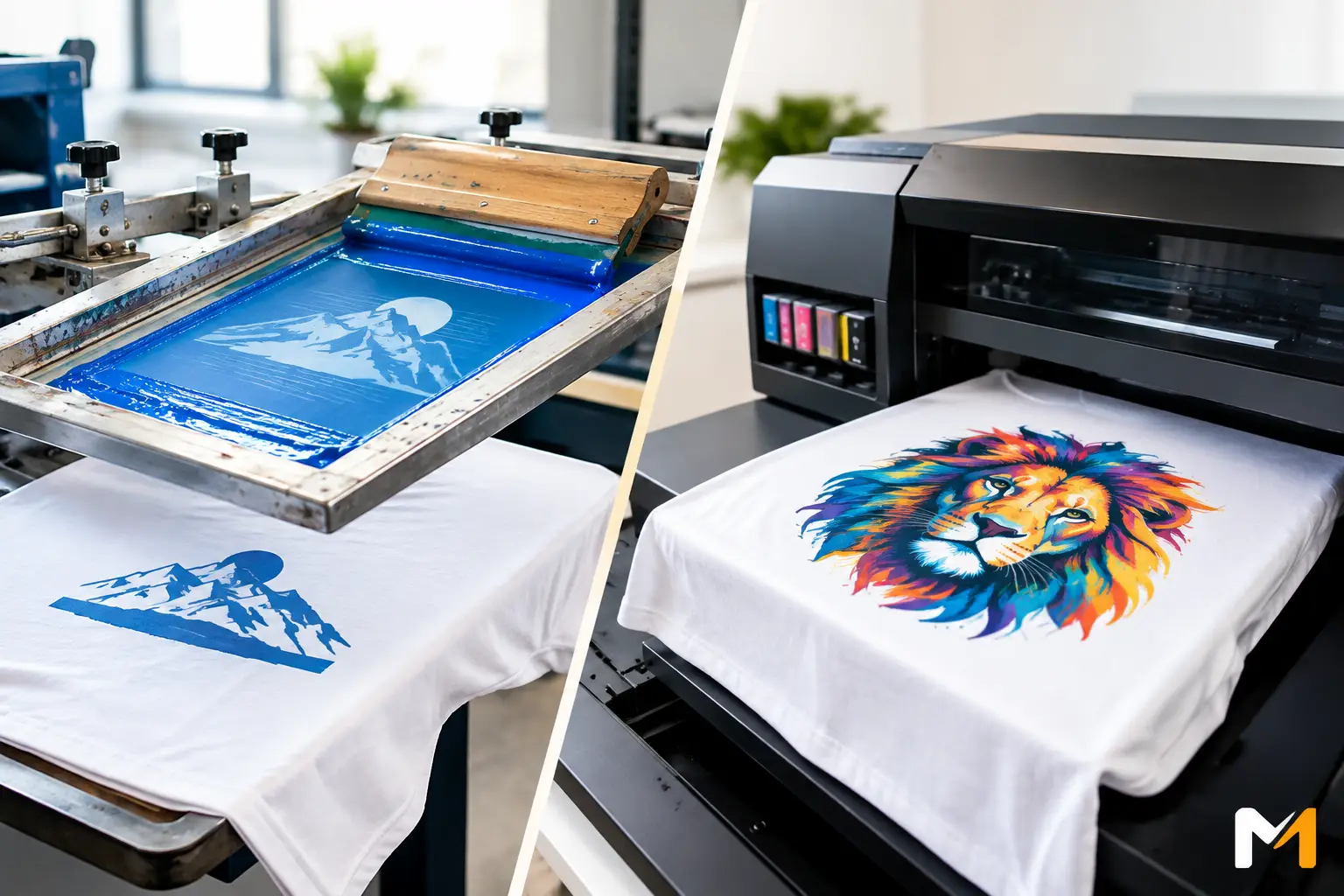
Screen Printing vs. Digital Printing: Which One Should You Choose?
Screen printing vs. digital printing: choose the right technique for your apparel, signs and promotional items for a durable, precise result.
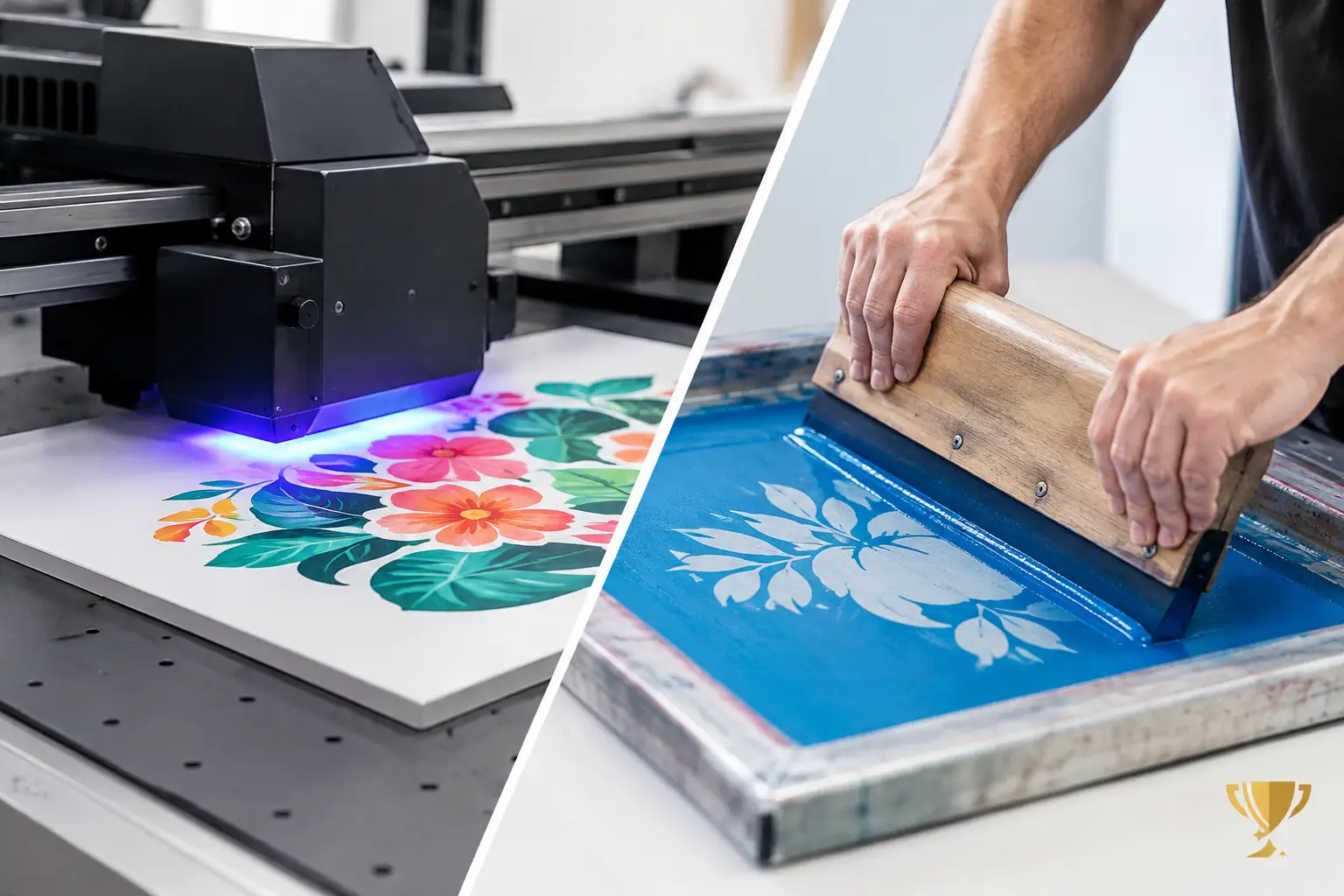
UV vs. Screen Printing: Which Marking Method Should You Choose?
UV vs. screen printing: compare precision, colours, durability and costs to choose the right marking method for your trophies, items and professional signage.
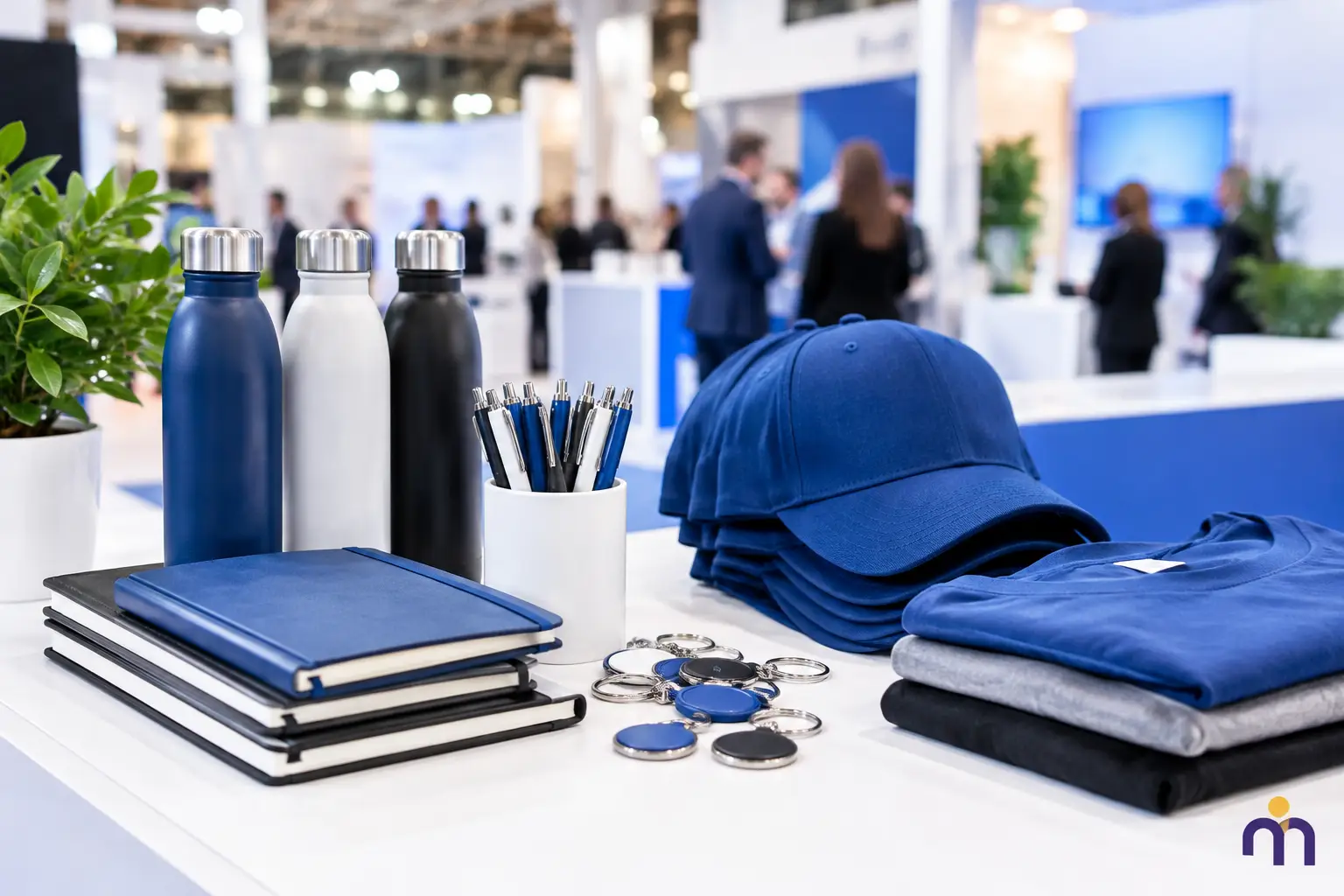
Best Promotional Products for Trade Shows
Choose the best promotional items for trade shows: useful, personalized giveaways tailored to your booth traffic, budget, and realistic timeline.