
A tournament ends, teams leave the venue, and sponsors have packed up their booths. What participants walk away with often determines the lasting memory of the day. Well-thought-out promotional products for events extend your organization's visibility, but they must first serve a purpose for the person receiving them.
For a school, a municipality, an association, or a business, the right item goes beyond a logo placed on a standard product. It needs to match the context, the length of the event, the audience, and the desired level of recognition. A practical item for a professional conference doesn't meet the same needs as a custom medal for a sporting competition or branded apparel for a volunteer team.
Start with the function, not the catalogue
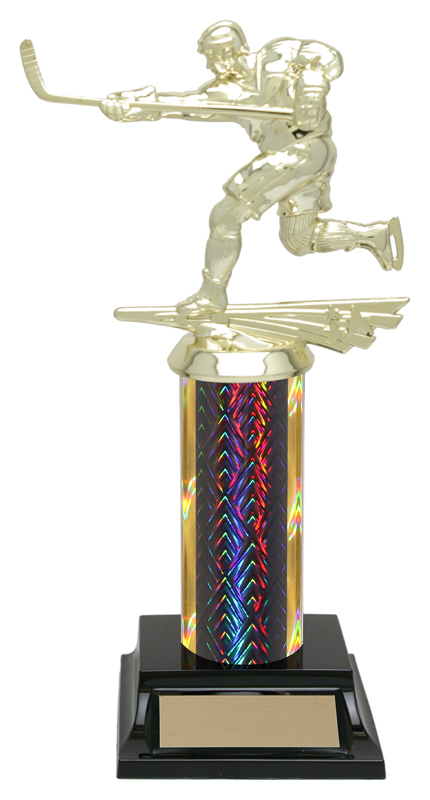
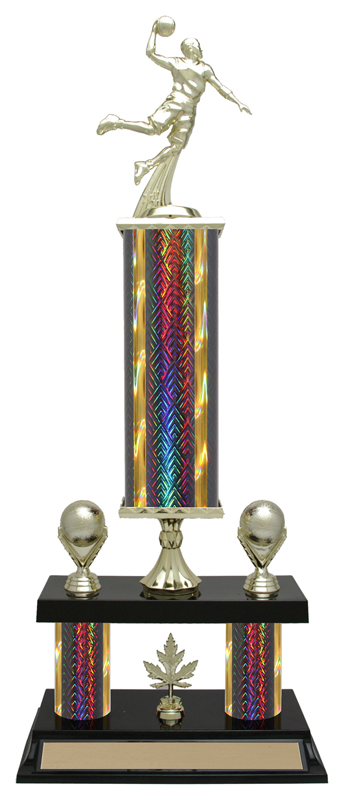
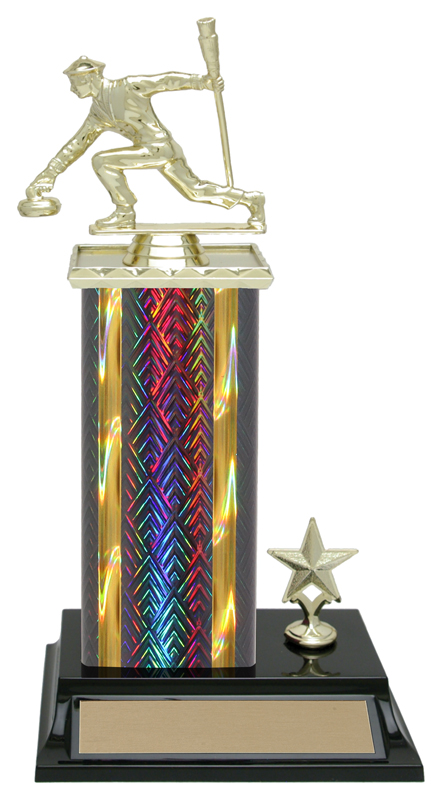
The first question is straightforward: what should the product accomplish during or after the event? Some items serve to identify people on site. Name tags, badges, promotional apparel, and signage facilitate check-in, guide visitors, and give teams a cohesive look. Other items are designed to thank, commemorate, or reward: trophies, plaques, medals, engraved gifts, or items presented to sponsors.
This distinction helps avoid a common but ineffective choice: ordering the same item for every purpose. A printed T-shirt can strengthen volunteers' sense of belonging, while an engraved plaque is better suited to a donor, an honorary chair, or an employee recognized at a gala. Both can carry your visual identity, but their perceived value and function are not the same.
Consider the intended lifespan as well. An item distributed in large quantities can be simple, practical, and easy to carry. For an official distinction, the quality of the material, the precision of the engraving, and the presentation carry more weight in the decision. Your budget should therefore not simply be allocated by quantity — it should reflect the importance of each moment and each recipient.
Tailoring promotional products for events to your audience
A product that resonates with its recipient is more likely to be kept. This is where the age, habits, and roles of participants matter. For an open house, everyday useful items that are easy to hand out are often a good fit. For a conference, understated, clearly branded, and durable items better support the organization's image. For a tournament, medals, trophies, and branded apparel create an immediate visual landmark and a tangible reward.
Events sometimes bring together several audiences: participants, guests, volunteers, partners, invitees, and award recipients. There is no need to give them all the same product. A tiered approach allows you to maintain a consistent graphic identity while adjusting the value of each item. The logo, colours, event name, and date can tie the products together, even when a medal for the winners has nothing in common with a badge handed out at registration.
For institutions and businesses, precise identification deserves particular attention. Verify the spelling of names, titles, award categories, and years. On a plaque, a trophy, or an engraved item, an error is not a minor graphic detail: it may require redoing a piece entirely and delaying an official presentation.
Choosing a Personalization That Suits the Medium
The material and marking method directly influence the result. Laser engraving is often chosen for its precision and durability across many surfaces, including certain items made of glass, metal, wood, leather, or acrylic. It is particularly well suited for individual names, dates, results, and recognition messages.
CNC engraving addresses other needs, particularly when depth, cutting, or the material itself calls for a specific technical approach. It is the right choice for various plaques, Lamicoid products, identification elements, and signage. Screen printing, for its part, is an effective solution for certain garments and promotional items when a visual needs to be reproduced in quantity.
A technique should not be used simply because it was used at the previous event. A highly detailed logo may lose legibility on a small item, whereas a monochrome marking can look clean and elegant. Conversely, a garment or banner often calls for a more visually prominent approach. A personalization specialist can recommend the most appropriate process based on the surface, quantity, and expected result.
Legibility remains the guiding principle. An event name that is too long, a compressed logo, or overly dense text diminishes impact, even on a quality product. Keep to the essential information: name, date, category, or message. If you need to include several partners, a poster, signage, or a program document is sometimes better suited than a small, overloaded promotional item.
Planning Quantities and Production Lead Times
Events have a fixed date. This constraint makes preparation more critical than for a standard order. Before requesting a quote, gather the expected number of participants, the number of volunteers, the award categories, the items intended for guests, and a reasonable buffer for last-minute additions. That buffer is useful, but it should not unnecessarily inflate an order of personalized products.
The timeline must account for more than production alone. You need to allow time for product selection, artwork preparation or approval, name confirmation, production, and then receipt and verification of the items. For trophies or medals, the final attribution may change right up until shortly before the ceremony. In that case, prepare the templates, categories, and fixed elements in advance, then confirm the variable data as soon as it is known.
Last-minute orders are sometimes doable, but they often limit the choice of products, colours, or techniques. A realistic timeline allows more freedom to select a durable material, make corrections to a proof, and coordinate multiple item categories. For a recurring event, keeping approved graphic files and references for previously used products makes planning for the following year significantly easier.
Creating a cohesive look on the ground
Promotional products are more effective when they are part of a unified visual identity. Team apparel, name tags, directional signage, sponsor plaques, and awards presented on stage can all share the same colours and graphic identity. This consistency reassures attendees and gives an organized feel, even to a modest community event.
Signage should not be overlooked in this planning. A beautiful awards ceremony loses its impact if guests cannot easily find the room, the registration desk, or the dining area. Door signs, posters, identification plaques, and Lamicoid elements are practical products that improve the on-site experience. They can also be reused if their design remains general enough to work across multiple editions.
For official presentations, also consider how items will be displayed and handed out. A medal should be easy to present and wear. A trophy should be stable, legible from a distance, and proportionate to the occasion. A plaque intended for a partner deserves packaging or a presentation that protects its surface until the moment it is handed over. These details reflect the respect shown to the person being recognized.
The mistakes that cost the most
The first mistake is placing an order before confirming the information to be engraved or printed. The second is choosing a product based solely on its unit price, without considering its lifespan or its effect on the event's image. Finally, many organizers underestimate the importance of coordinating awards, team identification, and signage.
A structured final review reduces these risks. Before sending to production, confirm the following:
- quantities by category and any necessary surplus;
- the spelling of names, dates, titles, and results;
- logo files and colours to be used;
- the personalization method suited to each medium;
- the date by which products must be available at the event venue.
This step takes very little time compared to the consequences of a medal bearing the wrong year, an incomplete sponsor name, or apparel delivered after the volunteers have already left.
Making the product an extension of the recognition
The most memorable items are not always the most expensive. They are simply right for the occasion. An engraved plaque with a precise message can mean more than a generic gift. A well-designed trophy can become an annual highlight for a league. Clearly identified apparel can help a team stand out throughout an entire day, and remain useful long after the event is over.
At Mr Trophée, personalization through laser engraving, CNC engraving, screen printing, and graphic design makes it possible to bring together awards, gifts, apparel, and signage under a single production approach. For the organizer, this primarily helps maintain consistency in information and visuals from one item to the next.
Before making your final decision, take a moment to picture the product in the hands of its recipient, not just on a mockup. If it is useful, legible, durable, and true to what your event is meant to celebrate, it will continue to represent your organization long after the tables and banners have been put away.
You may also like
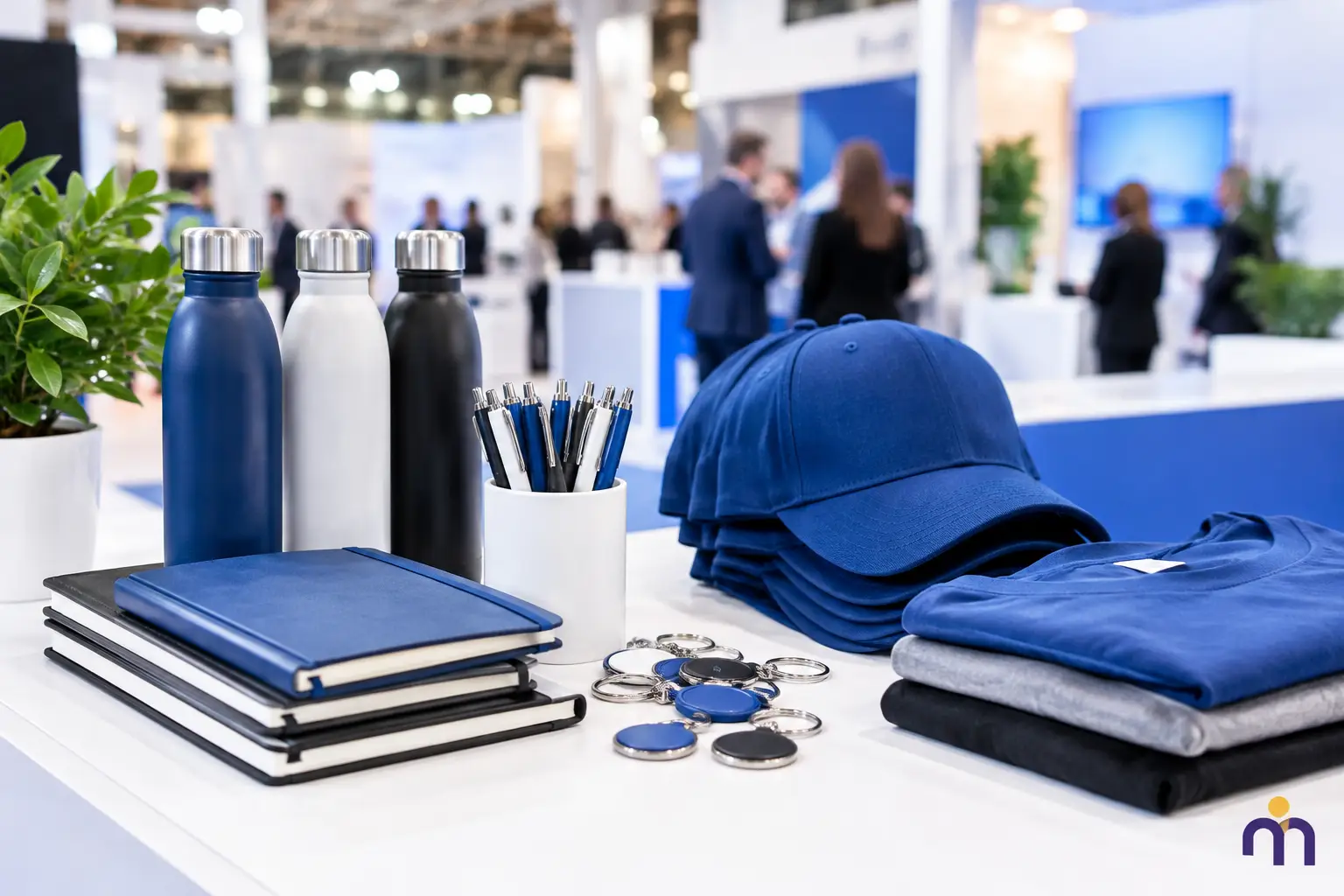
Best Promotional Products for Trade Shows
Choose the best promotional items for trade shows: useful, personalized giveaways tailored to your booth traffic, budget, and realistic timeline.
Case Study: A Youth Tournament Well Rewarded
This youth tournament case study shows how to plan trophies, medals and engraving for a clear, lasting and memorable on-site presentation.
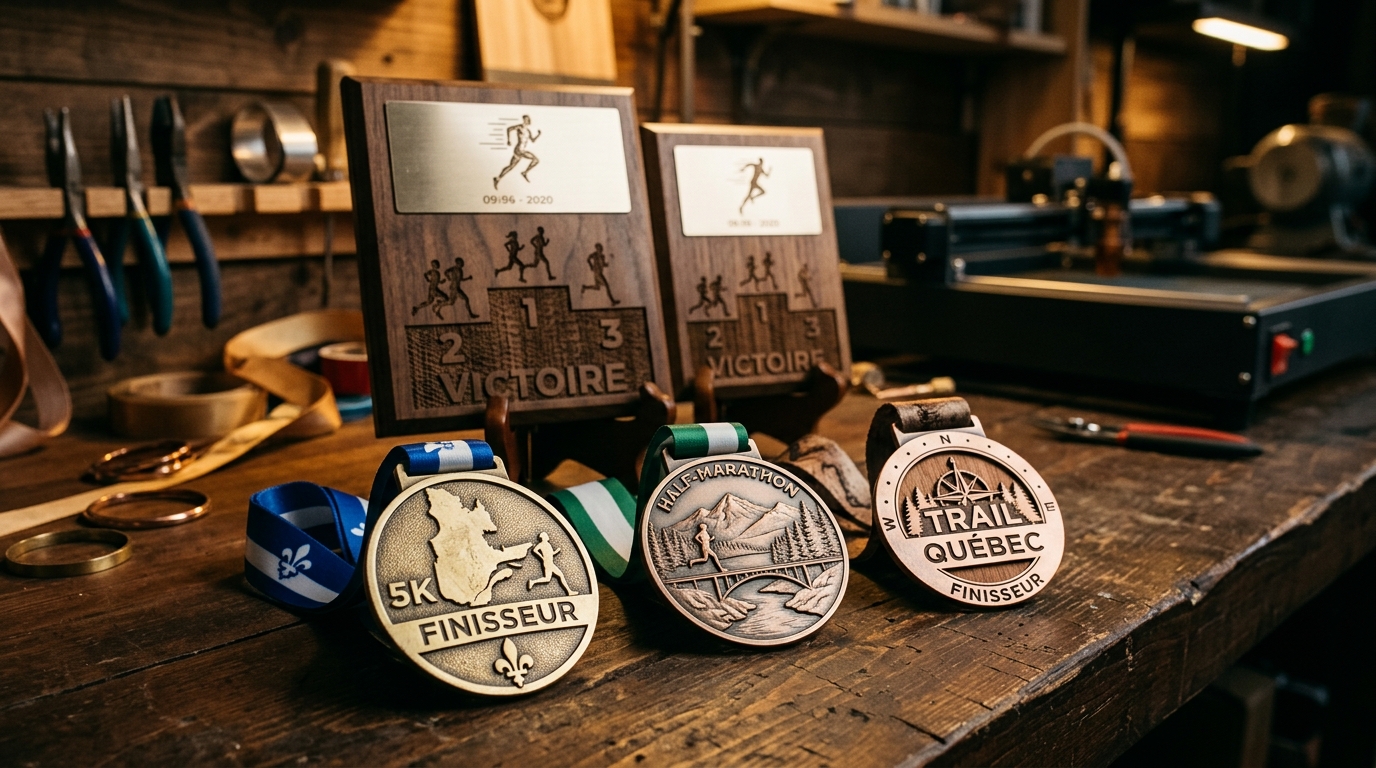
Finisher Medals for Running Events in Quebec: A Guide for Organizers
5K, half marathon or trail race: here is how to choose finisher medals and podium awards that runners will remember. A practical guide for event organizers in Quebec.