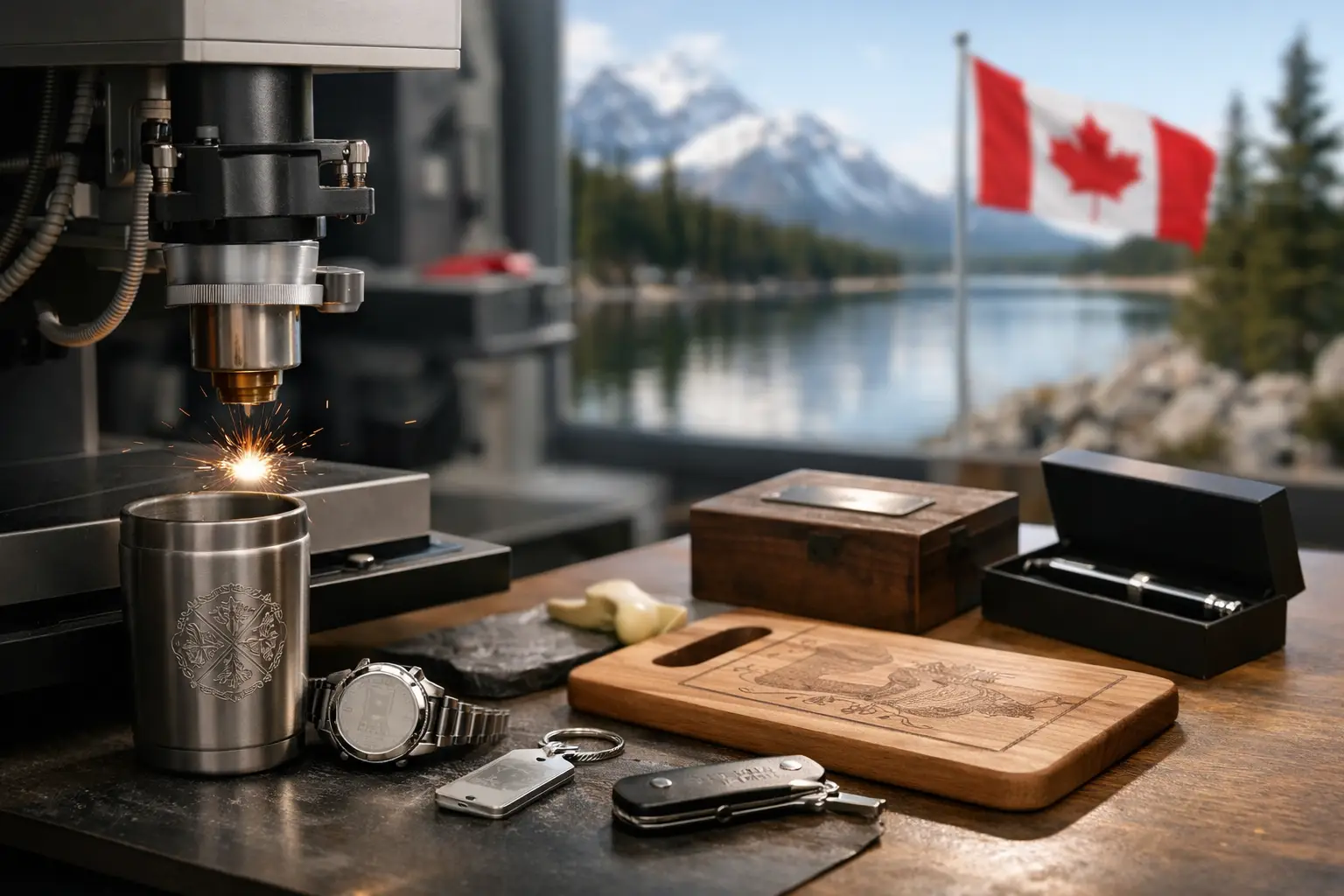
A misspelled name on a recognition plaque, a logo that's too fine on a water bottle, or illegible signage are not minor details. They alter the perception of an event, an organization, or a gift. The future of custom engraving therefore hinges less on spectacular effects than on data accuracy, the right choice of process, and the ability to produce items that remain legible, useful, and meaningful over time.
For schools, businesses, municipalities, sports leagues, and associations, engraving no longer serves only to inscribe a name. It supports a recognition program, identifies spaces, protects practical information, or gives lasting presence to a brand. This evolution brings trophies, plaques, medals, signs, and corporate gifts together around a single requirement: personalizing without sacrificing manufacturing quality.
The future of custom engraving: more precise, more integrated
Marking technologies have expanded the possibilities, but they have not eliminated production decisions. Laser engraving makes it possible to produce fine text, logos, and detailed visuals on many materials, including wood, glass, leather, certain metals, and acrylic products. It is particularly well suited to personalized series where each piece bears a different name, number, or distinction.
CNC engraving retains an essential role when a pronounced depth, precise mechanical finish, or certain rigid materials are required. It is often well suited to professional plaques, identification labels, engravable plastic pieces, and Lamicoid products. The choice does not come down to pitting two techniques against each other: it depends on the material, the size of the marking, the intended use, and the expected visual effect.
A door plaque exposed to heavy foot traffic does not face the same constraints as a glass given to an employee for years of service. Likewise, a sports medal must remain legible at a distance, while a ring or a watch calls for a discreet approach suited to a very small surface. The right result begins with this concrete reading of the object.
Data becomes a production material
In institutional orders, the main source of errors is not always the machine. It is often found in the lists submitted: missing accents, titles changed at the last minute, reversed first names, duplicates, or files with a logo lacking sufficient resolution. As recognition programs grow in volume, preparing the information becomes just as important as choosing the trophy.
Organizations are better served by centralizing text in a verified file, with one column per element to be engraved: name, title, category, year, team, result, or room number. This approach streamlines recurring orders for medals, service plaques, name badges, and signage. It also ensures consistency from one ceremony to the next.
The logo deserves the same attention. A vector file generally allows for sharper marking than an image pulled from a document or social media. When a logo contains very thin lines or small text, it may be necessary to adjust its version for the chosen medium. This is not a loss of fidelity: it is a technical adaptation that preserves its legibility.
Personalization does not mean putting everything on the object
The demand for content is increasing: logo, slogan, date, sponsor name, QR code, category and personal message. Yet an engraving surface has its limits. Too much information on a small plate creates a result that is difficult to read and less elegant.
A good composition prioritizes the message. For a trophy, the name of the award and that of the person or team should remain dominant. For a sign, the function of the space takes precedence over decorative elements. For a personalized gift, a monogram, a date or a few well-chosen words can have more impact than a lengthy text.
Objects that are useful, not just commemorative
The future of the industry also involves expanding its uses. Trophies and medals remain at the centre of galas, competitions and awards ceremonies. But everyday needs for identification and presentation are equally important: office plates, door numbers, equipment labels, badges, directional signs, safety plaques and welcome displays.
This overlap between recognition and signage is valuable for organizations that prefer to work with a single specialist. A school can prepare its tournament cups, its year-end plaques and its room identifiers within a consistent graphic approach. A company can align its employee awards, workstation plaques, promotional items and branded apparel under the same visual identity.
At Mr Trophée, this continuity is built on laser engraving, CNC engraving, screen printing, graphic design and sign production. For the client, the goal is straightforward: avoid dealing with multiple vendors when several items need to be ready for an event, a site opening or a recognition campaign.
Materials come with their own rules
Glass conveys a sense of clarity and prestige, particularly for corporate awards, carafes, bottles and commemorative gifts. It does, however, require special attention to contrast and motif placement. Subtle marking can be refined, but it must remain visible depending on the lighting and background.
Wood brings warmth and works well for plaques, boxes and objects meant to last. Its natural variations are part of its appeal, but they can also slightly influence the look of the engraving. Metals offer excellent durability for plaques, medals, labels and items subject to frequent use. As for acrylics and engravable materials, they open the door to colours, cut shapes and contrasts that are particularly well suited to signage.
Leather, jewellery, watches and rings call for yet another approach. The available area is limited, the material may react in specific ways to heat or pressure, and the sentimental value of the item requires careful consideration. In these cases, a short, precise personalization is often the best choice.
Durability: prioritizing accuracy over disposability
An engraved item is often kept much longer than a temporary printed support. This durability depends not only on the material. It rests on the relevance of the text, the quality of the marking and the ability of the item to remain useful or meaningful after the event.
For an annual recognition program, choosing a stable design over several years can simplify orders and create a recognizable identity. For signage, durable materials and clear wording prevent premature replacements. For gifts, a product that will actually be used — a bottle, glass, desk accessory, leather item or piece of clothing — is a far better choice than a generic article overloaded with logos.
That said, there are cases where something more temporary makes sense. A one-time campaign, a single tournament or a fundraising activity may justify a simpler, more economical solution. The key is to match the level of finish to the expected lifespan, rather than applying the same approach to every project.
Preparing an order that meets the deadline
Production timelines involve more than just manufacturing. They include discussions about the product, receiving lists, adapting visuals, approving the proof and sometimes the availability of items. An order for several hundred medals with identical text is not prepared the same way as a series of plaques where every name is unique.
To save time without lowering standards, it helps to specify from the outset the quantity, delivery date, type of support, desired dimensions, final text and available logo file. If the project includes several products, indicating how they relate to one another also helps build a cohesive set. A gala may require trophies, name plaques, a stage sign and gifts for partners: thinking everything through from the start prevents inconsistencies in style.
The proof remains a decisive step
Even with high-performance equipment, approving a proof remains essential. It confirms spelling, line breaks, logo balance, dates and the hierarchy of information. For a large run, this step protects the organizer as much as the manufacturer.
The future of custom engraving will certainly be faster, more flexible and more connected to organizational management tools. But its value will remain very tangible: preserving a name, guiding someone, recognizing an effort or transforming a carefully chosen object into a personal keepsake. The best project is one where the marking feels self-evident, because every word, every material and every finish was chosen for the right reason.
You may also like
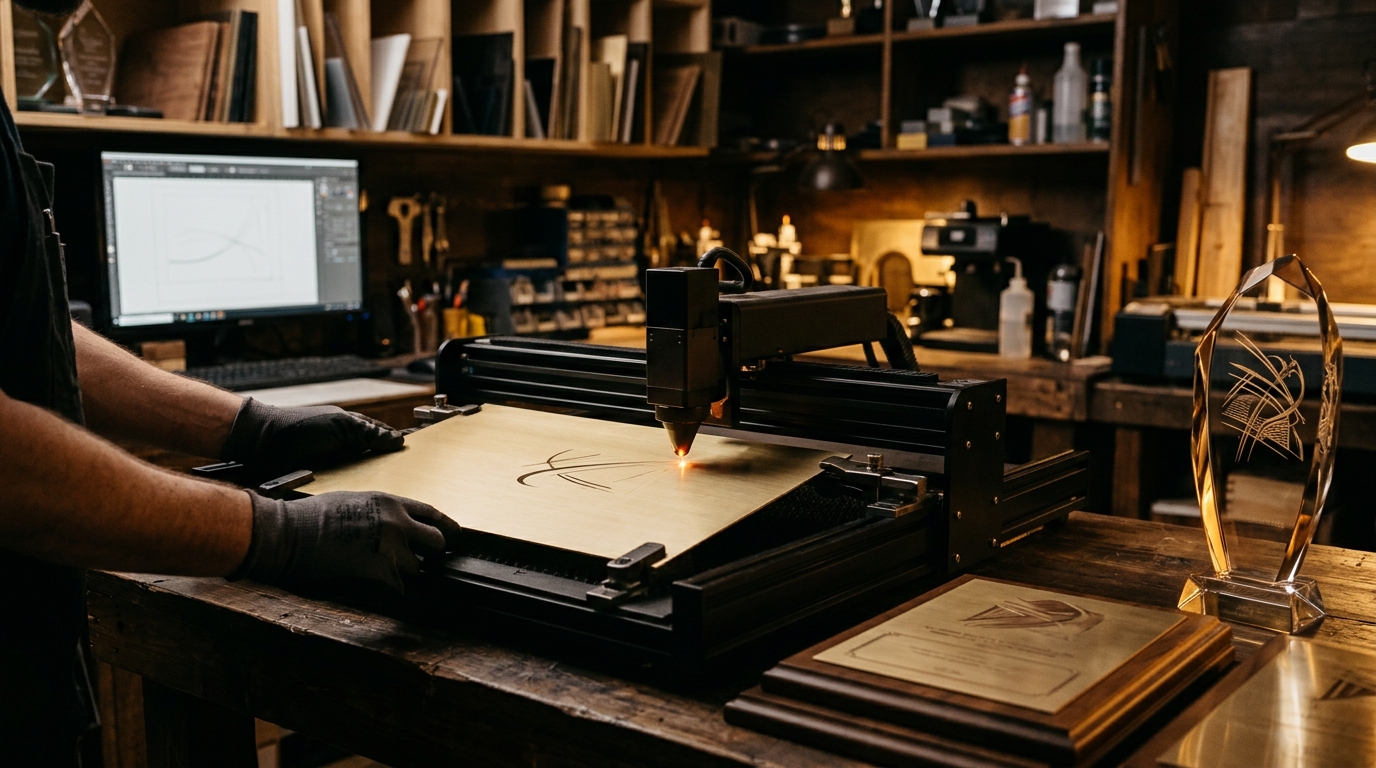
Preparing Your Logo for Laser Engraving and Printing: File Formats and Best Practices
A good file is half of a great trophy. Here are the formats, resolutions and tips to know so your logo looks sharp on your plaques, trophies and medals.
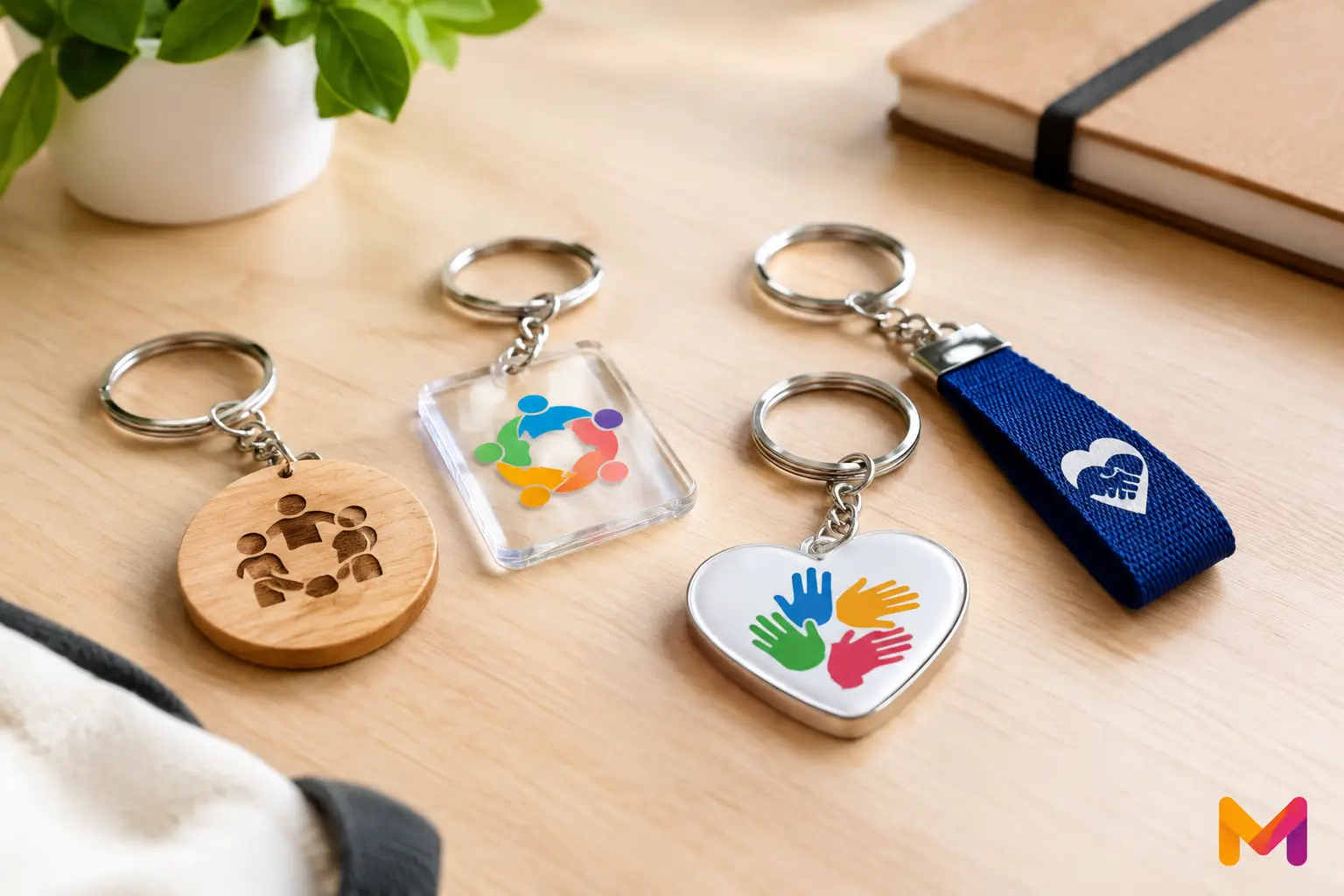
How to Choose the Right Custom Keychains for Your Association
Custom keychains for associations, durable and well-crafted, to thank volunteers, identify your members, and support your activities.
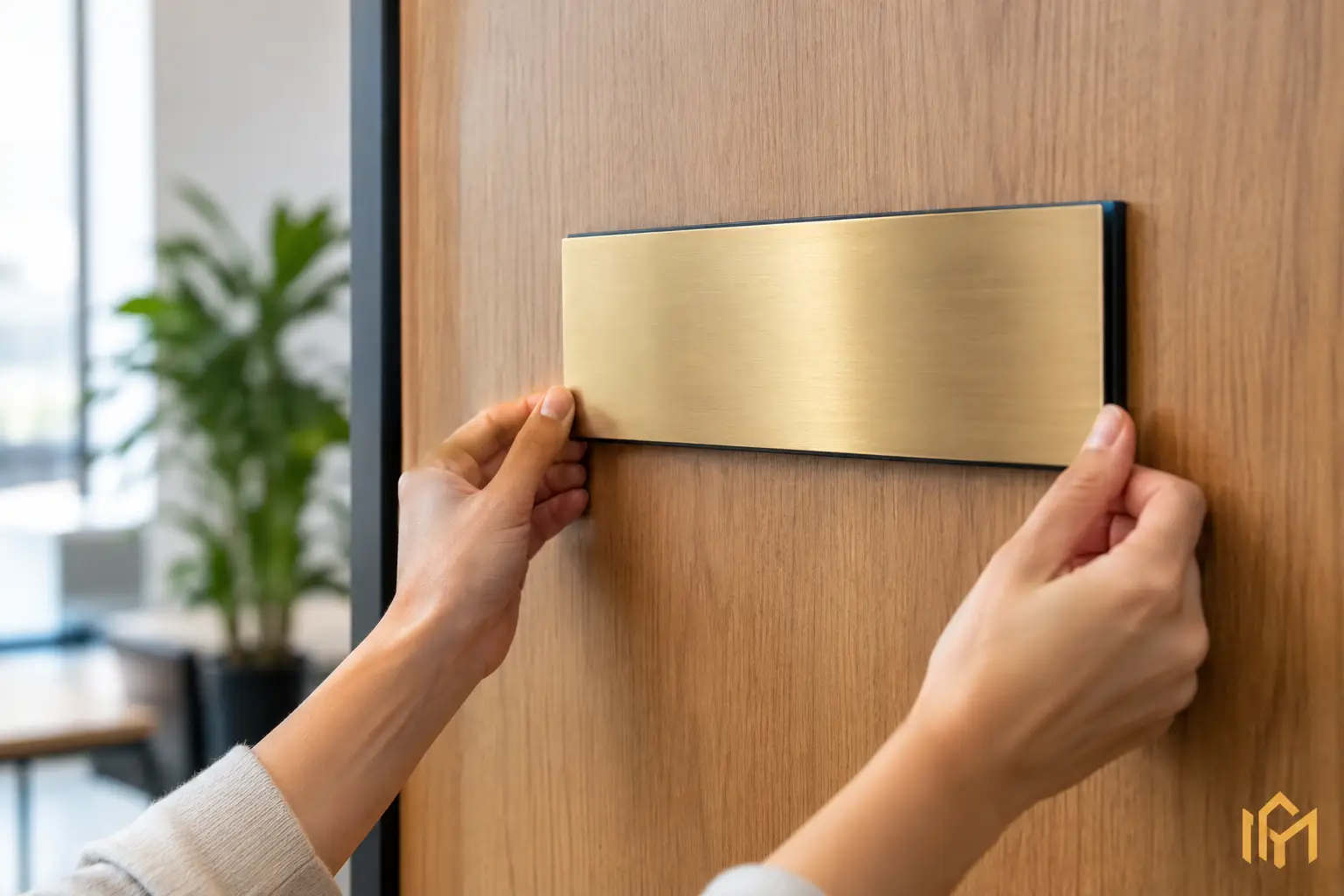
Order a custom door sign
Ordering a custom door sign: materials, sizes, engraving, and details to consider for clear, durable, and professional signage.