September 6, 2026
Crystal and Glass Awards vs. Traditional Trophies: How to Match the Format to the Moment
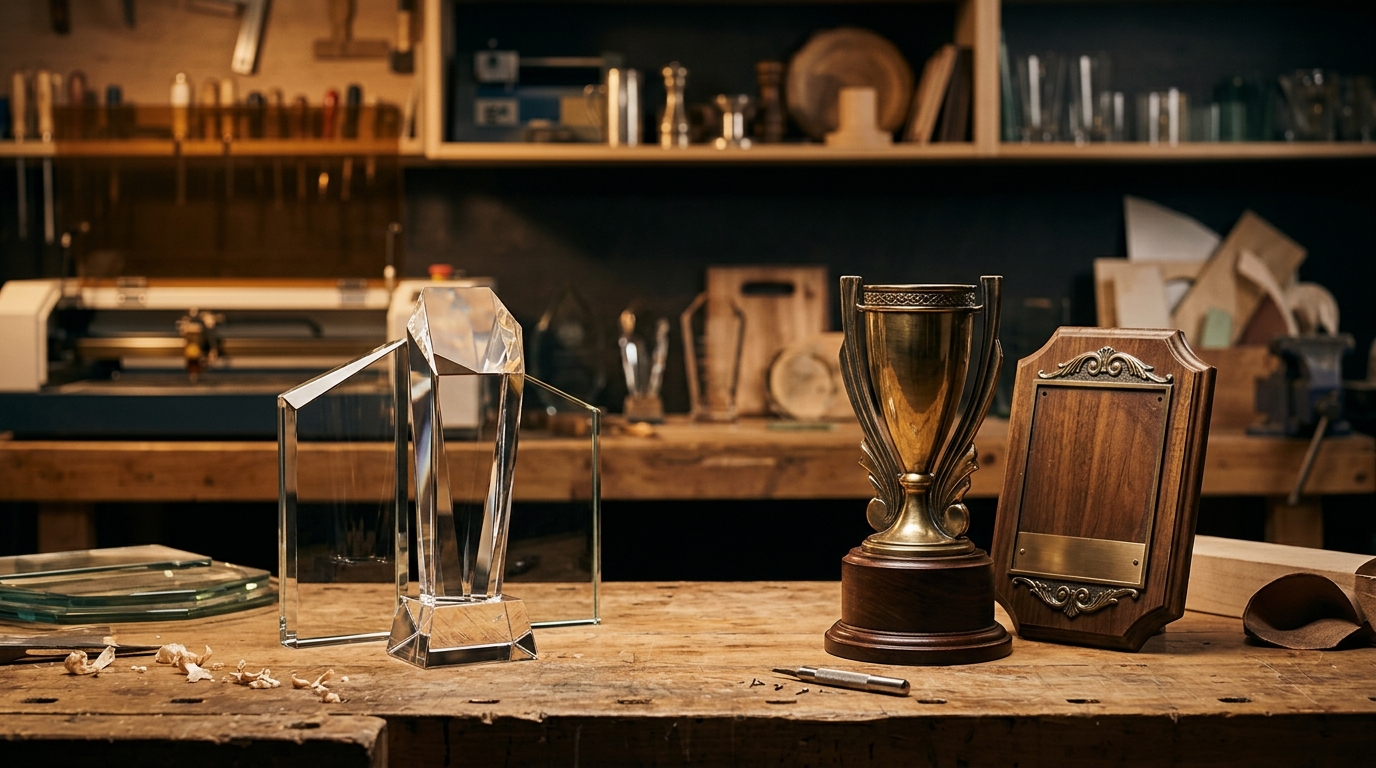
The award you choose says something before anyone reads the engraving. It signals how seriously you took the moment, how well you understood the recipient, and whether the recognition will sit on an executive's desk for years or end up in a storage bin after the season wraps. A frequent pattern in awards procurement is choosing the same material used last time, familiar, fast, and often the wrong fit for the occasion, and that default approach is exactly where costly ordering mistakes begin.
Crystal awards, glass trophies, acrylic standoffs, and traditional sports trophies each occupy a distinct position in the recognition hierarchy. Knowing which format belongs at which moment is not a matter of personal taste; it is a practical decision with measurable consequences for your budget and your brand.
This guide teaches you the three decision variables that should drive every award purchase: occasion prestige, recipient seniority, and display context. You will also find a decision matrix, material-specific engraving guidance, and sector-specific advice built for the Canadian market. By the time you finish reading, you will know exactly which format fits your moment without a second phone call to your supplier.
Why Material Choice Is a Decision, Not a Default
A frequent pattern in awards procurement is choosing the same material used last time, familiar, fast, and often the wrong fit for the occasion. The wrong format arrives, the moment is undermined, and the order has to be redone under deadline pressure.
The availability of crystal, glass, acrylic, and traditional trophies within a single catalogue means buyers now have both the option and the responsibility to match format to context. That places more responsibility on the buyer upfront, but it also makes the decision more straightforward once the right framework is in place.
Three variables determine the correct format every time:
Occasion prestige: A formal gala demands a different material than a weekly team event.
Recipient seniority: An executive milestone calls for something a retiring participant-level volunteer does not.
Display context: An award destined for a boardroom shelf has different requirements than one going into a sports bag.
A format mismatch does more than waste budget. It communicates that the recognition was not thought through, which undermines the award's meaning for the recipient.
This piece provides the decision rule that resolves all three variables, so Canadian buyers can choose confidently between crystal, glass, acrylic, and classic trophies without second-guessing the order.
Understanding the Material Hierarchy in Award Recognition
Four materials form the award hierarchy, and each occupies a distinct tier.
Crystal sits at the top. Its heavier mass and optical clarity create an immediate physical impression that nothing else replicates. When a recipient picks it up, the weight alone communicates the significance of the achievement before they read a single word of engraving.
Glass occupies the mid-to-upper prestige range. Sophisticated and polished, it suits formal corporate events and black-tie ceremonies well. It is lighter and slightly less imposing than crystal, making it the natural choice when a refined appearance matters but the occasion stops short of executive-tier formality.
Acrylic is the practical backbone of most high-volume custom trophies and customized trophies. Lightweight and shatterproof, it is laser-engraved for clean, consistent results across large runs. Its value is operational, not ceremonial; it performs where handling, transport, and cost-per-unit are the governing constraints.
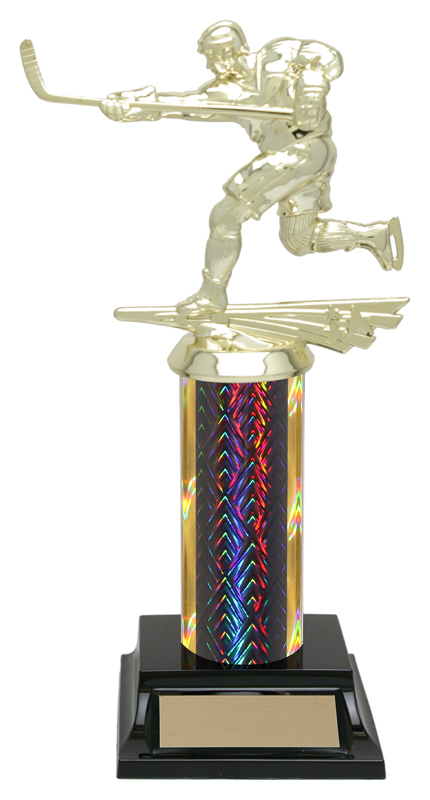
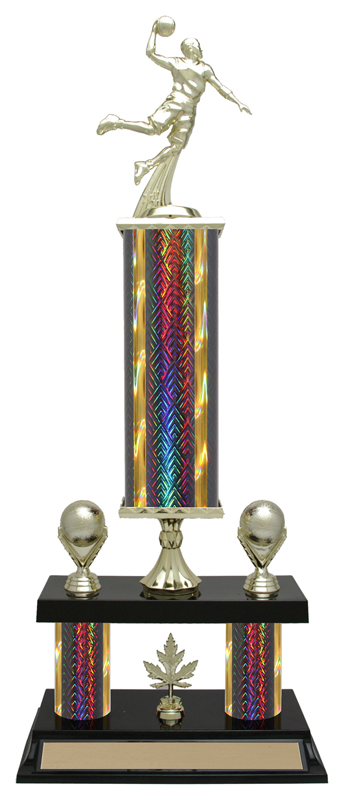
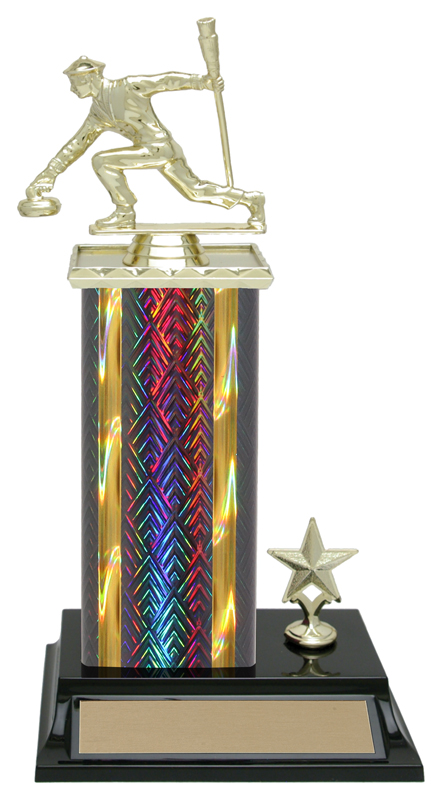
Traditional trophies (column-style resin or metal-base formats) carry the cultural familiarity that sports events, youth programs, and competitive leagues rely on. They travel well, withstand constant handling, and feel earned without being fragile.
Price tracks this hierarchy closely. Standard acrylic and traditional formats typically start under $45, while premium crystal awards run $150 and up. Browsing the full awards and trophies catalogue gives buyers a concrete sense of where each material sits across that range before committing to a format.
Decision Variable 1: Occasion Prestige
Occasion prestige is the first filter to apply, because the format of an award communicates the weight of the moment before anyone reads the engraving.
High-prestige occasions, retirement ceremonies, executive milestones, gala dinners, municipal honours, and annual sales leadership awards, require crystal or glass. The formality of the setting demands a material equal to it; anything less reads as an afterthought.
Mid-prestige occasions such as employee-of-the-month programs, years-of-service recognition, and departmental achievement awards are well-served by glass or premium acrylic. A polished appearance is still expected, but volume and budget are genuine constraints at this tier.
High-frequency occasions, seasonal sports leagues, school tournaments, and community participation programs, belong to custom trophies in acrylic or traditional formats. At this level, durability and cost-per-unit drive the decision, not ceremony.
A practical test: if the occasion merits a speech, it likely merits crystal or glass. If it merits a handshake at a podium, premium acrylic fits. If it merits a lineup at the end of a game, traditional trophies are the right call.
Canadian organizations running recurring events can tier within a single order: crystal for top-tier winners, acrylic for runners-up. This controls cost without diluting prestige where it matters most.
Decision Variable 2: Recipient Seniority
Occasion prestige tells you when to reach for crystal. Recipient seniority tells you who deserves it.
Executive-level recipients, C-suite leaders, directors, long-tenured managers, elected officials, and board members, expect an award proportional to their role. Crystal delivers this through physical weight, optical clarity, and the permanence of deep, detailed engraving. A crystal award on a senior leader's desk reads as intentional. Acrylic in the same moment reads as an afterthought.
Team-level and peer-nominated recipients, frontline employees, department contributors, volunteer award winners, are well served by glass or premium acrylic. Both look polished and professional without the formality premium that executive recognition requires.
Youth, student, and participant-level recipients represent the largest volume category in Canadian sports and educational recognition. Traditional trophies and acrylic formats are the right call here: durable, affordable, and still genuinely meaningful to the recipient.
Seniority also shapes engraving expectations. Executive crystal awards typically carry detailed personalization: title, tenure dates, specific achievement language. Custom trophies ordered in volume runs use standardized plate engraving for consistency and speed, which is appropriate at that tier.
Decision Variable 3: Display Context
Where an award will live after the ceremony is as important as who receives it.
Crystal and glass awards belong in stable, climate-controlled environments: executive office shelves, boardroom display cases, and reception showcases where they remain stationary and undisturbed. When the display environment is uncertain, shared spaces, entry halls, homes, acrylic's shatter-resistance makes it the lower-risk choice.
Awards heading into sports bags, locker rooms, shared team spaces, or youth bedrooms need shatterproof construction. Acrylic and traditional column trophies survive real-world handling; glass and crystal chip or crack under the same conditions.
Visibility and display height also factor into the decision. Heavier crystal awards with deep sandblasted engraving carry well from a distance on a desk or shelf, where the weight and clarity reinforce each other visually. Lighter acrylic awards with laser engraving suit wall mounts, display cabinets, or bulk-shipped distribution runs, where ease of installation and consistent reproduction across units matters more than tactile depth.
For buyers ordering customized trophies destined for outdoor ceremonies or events involving significant transport, material weight and fragility are logistics variables, not afterthoughts. Factor both into the order before confirming quantities.
The Decision Matrix: Matching Format to Moment
With display context accounted for, the three variables converge into four clear combinations.
Occasion + Recipient + Display
Recommended Format
High prestige + executive + boardroom
Crystal awards
Formal occasion + team or peer-nominated + office or lobby
Glass or premium acrylic
Mid-frequency corporate + mixed seniority + varied display
Acrylic or mixed-format, tiered by recipient level
High-volume sports, youth, or community + participant-level + transport
Traditional custom trophies or acrylic
Crystal awards are the only format that delivers weight, optical clarity, and desk presence simultaneously; no other material replicates that combination for executive recognition. Glass and premium acrylic serve formal occasions where appearance matters but volume and handling make crystal impractical. Mixed-format acrylic orders, tiered within a single event budget, solve the seniority problem at mid-frequency corporate events without overspending across the board. Traditional trophies, built for durability and affordable cost-per-unit, are the reliable standard wherever transport and handling are constant.
The sequence, prestige first, seniority second, display third, is covered in the preceding sections.
Engraving and Customization: What Changes by Material
Once the right material is matched to the moment, engraving method becomes the next variable that separates a polished result from a generic one.
Glass and crystal awards use sandblasting, which physically cuts into the surface to create deep, tactile contrast. That depth catches light, makes logos and commemorative text read clearly from a distance, and gives executive-level recognition pieces the permanence recipients expect.
Acrylic awards and most traditional trophies use laser engraving, which burns clean, precise marks at high speed. The result is sharp and consistent, making it the practical choice for volume runs of custom trophies where uniformity across dozens or hundreds of units matters most.
Across the Canadian awards market, personalization, accurate proofing, and fast turnaround are now standard expectations, not upgrades. Buyers ordering customized trophies expect these as baseline services regardless of material or order size.
For tiered orders combining crystal and acrylic, coordinating wording structure and engraving style across both formats is essential. Consistent language and layout make the awards read as a unified suite rather than items sourced separately.
Mr. Trophée's high-precision engraving covers both methods: sandblasting for glass and crystal formats, laser engraving for acrylic and traditional trophies. That dual capability allows tiered orders across material categories to be handled in a single engagement, with consistent quality at every level.
Sector-Specific Guidance for Canadian Buyers
Material type and engraving method tell half the story. The other half is sector context, because the right format also depends on who is ordering and why.
Public sector and municipalities should default to crystal for lifetime achievement honours, elected official recognition, and community leadership ceremonies. For civic participation programs or annual volunteer recognition at scale, acrylic or traditional trophies are the practical and appropriate choice.
Sports organizations are well-served by traditional trophies and acrylic custom trophies across the board. Shatterproof construction, low cost-per-unit, and broad familiarity with the format make them the reliable standard for leagues, tournaments, and seasonal events from minor hockey to municipal recreation programs.
Corporations and businesses require a tiered approach. Crystal suits executive milestones, retirement awards, and annual leadership recognition. Acrylic or glass fits employee-of-the-month, sales performance, and years-of-service programs where volume and consistency across recipients matter more than peak prestige.
Educational institutions typically lean on acrylic and traditional trophies for student awards and academic competitions due to budget and volume pressure. Glass is a sound step-up for faculty recognition or distinguished alumni honours where a more formal tone is warranted.
When volume forces acrylic across every tier, prestige differentiation is still achievable. Investing in premium engraving quality, larger award dimensions, or upgraded plate finishes preserves meaningful distinction between recipient levels without inflating overall spend.
The Most Expensive Ordering Mistake Canadian Buyers Make
Knowing which format suits each sector narrows the field. The mistake happens when buyers ignore that guidance and choose by gut feel instead.
A frequent ordering error is selecting award format by appearance or price before considering occasion context. Ordering acrylic because it "looks fine" for an executive retirement, or splurging on crystal for a youth sports tournament because "we wanted something special," both miss the mark. Neither choice is inherently wrong as a product; both are wrong as a match.
The downstream costs are real: reordering under deadline pressure and expedited shipping charges, along with the harder-to-measure cost of a recognition moment that fell flat in front of the recipient.
A secondary mistake compounds the first: treating all custom trophies as interchangeable within a single event. Handing identical acrylic awards to the CEO and a summer intern at the same company banquet signals that the recognition program was not designed with intention. Differentiation within an order matters as much as the format decision itself.
Working with a Canadian supplier like Mr. Trophée means format questions can be answered before an order is placed, not after a shipment arrives. That conversation is free. The alternative is not.
Choose the Format Before You Choose the Product
The framework covered in this guide reduces to a single discipline: decide before you browse.
The three-variable rule covered earlier, occasion, seniority, display, does the heavy lifting before any catalogue is opened.
Mr. Trophée supplies the full range of formats, from premium crystal awards to custom trophies built for volume runs, with guaranteed best prices across Canada, high-precision engraving on every material, and fast turnaround for both standard and urgent orders. Reach the team at 514-565-6665 or info@trophee.ca.
Start with the moment. Identify the occasion, the recipient, and where the award will live after the ceremony. The right format will follow directly from those answers, and the ordering process becomes straightforward rather than stressful.
Conclusion
Decide the moment first, and the right award will follow. Mr. Trophée offers the full range, from premium crystal awards to custom trophies for volume orders, with guaranteed best prices across Canada and high-precision engraving on every material. Contact the team at 514-565-6665 or info@trophee.ca.
You may also like

Trophies and Awards for a Golf Tournament: The Organizer's Guide
Charity event, corporate outing or friendly get-together: learn how to choose trophies, plaques and skill prizes for a successful golf day. Our workshop tips for budgeting and engraving with confidence.
School Merit Awards: Choosing Trophies and Medals for Your End-of-Year Gala
School principals, teachers and parent committees: here is how to choose trophies, medals and plaques for a merit gala that truly recognizes every student. Our tips on categories, formats, engraving and timelines.

Trophies and Medals for a Basketball or Volleyball Tournament: A Guide for Organizers
Organizing a basketball or volleyball tournament? Here is how to choose trophies, medals and individual awards without going over budget.