
An awards ceremony may last thirty minutes and still be remembered for years. Conversely, a misprinted name, a missing trophy or a confusing running order is enough to diminish the impact of a well-deserved tribute. Knowing how to organize an awards ceremony therefore means coordinating the recognition, the people and the items presented with the same care.
For a sports team, a school, a business, a municipality or an association, the ceremony gives concrete form to the effort that has been made. It should reflect the organization's culture, the number of people being recognized and the context of the event.
How to organize an awards ceremony by starting with the right goal
Before choosing a trophy or booking a venue, define what the ceremony is meant to celebrate. An end-of-season banquet doesn't send the same message as an employee gala, a volunteer recognition event or a school ceremony. The award should match the accomplishment: performance, years of service, team spirit, academic achievement, community involvement or outstanding contribution.
This step helps you avoid vague categories and last-minute decisions. Also decide who will present the awards, who will speak and what audience will be there. A ceremony for young athletes might favour a lively pace and medals that are easy to wear. For employees or business partners, an engraved plaque, a glass trophy or a personalized gift may be better suited to a more formal setting.
Next, set an overall budget. It should include the awards, personalization, packaging, shipping, signage, printing, emcee services and, if needed, photography. The unit cost of an award is only one part of the project. A small, carefully planned ceremony with coordinated products and accurate inscriptions often has more impact than an ambitious program that is poorly coordinated.
Choosing trophies, medals and plaques to suit the context
The choice of recognition item should first meet its intended purpose. Medals are especially well suited to sporting competitions, tournaments and events with many participants. They are easy to hand out, rewarding for recipients and simple to personalize with a ribbon, an emblem or an engraving.
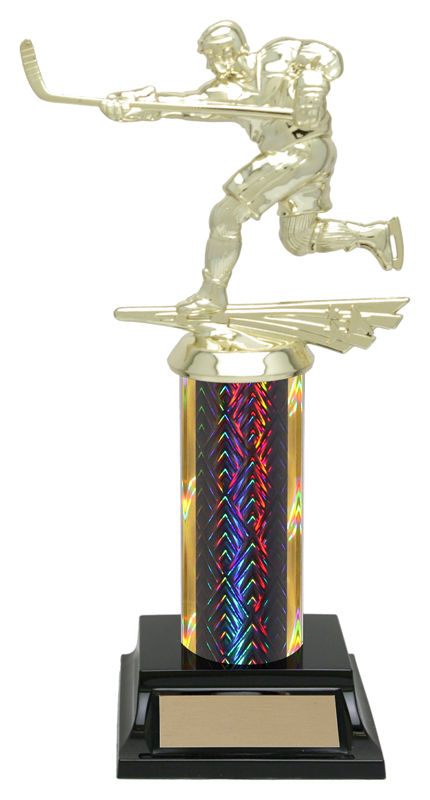
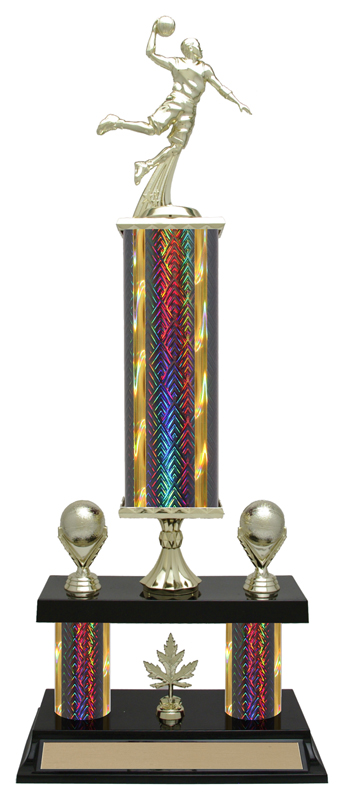
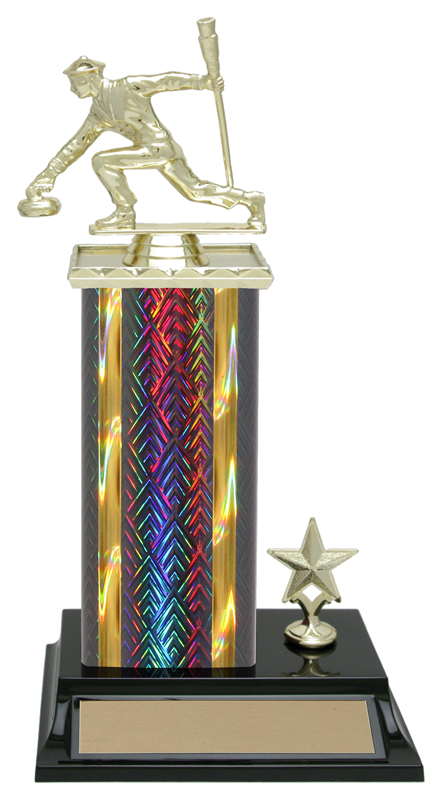
Trophies are a good fit for performance awards, championships, contests and honours that should stay on display for a long time. They can feature the logo of a league, school or company, along with an engraved plate showing the recipient's name, the category and the year. For a travelling trophy, make sure there is enough space to add the names of future winners.
Recognition plaques are a lasting option for years of service, retirements, sponsors and volunteers. They lend themselves well to longer text. Glass, acrylic, wood and metal each create a different effect, however: glass offers a contemporary look, while a wood or metal plaque may blend better with an institutional tradition.
Personalization should remain legible. A logo, a name, a date and a category are often enough. If the message is long, split the information between the award and the ceremony program rather than reducing the size of the lettering. Laser engraving, CNC engraving, screen printing and graphic design make it possible to adapt the result to the material and to the organization's visual identity.
Plan production early enough
The final list of names is rarely ready on the first day of planning. Yet the supplier needs accurate information to produce the trophies, medals, plaques and personalized items. Set an internal deadline to confirm categories, names, spelling, titles, logos and dates.
Ask for a proof or visual approval before production when the project involves several awards or a custom design. Having two people review it is wise: errors in a first name, an accent or a job title are particularly disappointing on a commemorative item. Once the proof is approved, avoid changing the text unless truly necessary, since any correction can affect timelines and budget.
For recurring events, keep the graphic files, dimensions and wording that were chosen. This approach makes future orders easier and ensures visual consistency from one year to the next. M. Trophy can support this type of project by combining trophies, plaques, medals, engraving and graphic design according to the organization's needs.
Build a program that respects the recipients
A successful ceremony doesn't depend on a long speech. It relies on a clear running order and on genuine attention given to each person being recognized. Prepare a run sheet that includes the welcome, opening remarks, categories, the people being called up, the presenters and the conclusion. Also note the photo moments and any necessary transitions.
For each award, prepare a short introduction of two or three sentences. It explains why the person is being honoured without turning the presentation into a reading of their file. The name should be pronounced clearly, and the person should then have time to walk up, receive their award, shake the presenter's hand and pose for a photo. In a ceremony with many winners, this pace requires careful preparation.
The order of the awards deserves some thought. You can start with the participation categories, continue with the merit awards and finish with the grand prize. In a school or community setting, alternating between groups can hold the room's attention. At a corporate gala, grouping awards by value or by department generally provides more cohesion.
Awards should be arranged in the exact order of presentation, discreetly labelled and entrusted to a responsible person. Keep fragile plaques and trophies in their packaging until the right moment. If the items have a specific front face, check their orientation before the photos begin.
Prepare the room, the display and the practical details
The setup doesn't need to be complicated, but it does need to support the ceremony. A clean table, a simple tablecloth and proper lighting immediately show off the trophies and medals. Arrange the awards so they are visible without getting in the way of the presenters as they move around.
Organizations using a stage or a large hall should test the microphone, the entrance music and the projection screen before guests arrive. Clear signage also helps attendees find the reception desk, reserved seating, the photo area or the coat check. Door signs, name plates or easel displays can be prepared with the same visual identity as the awards.
Plan on having one person to welcome the recipients, another to direct them before they go up, and a third to hand the awards to the presenter. At a small event, these roles can be combined. At a larger gala, separating them cuts down on hesitation and keeps the master of ceremonies from hunting for a trophy at the wrong moment.
The day-of check
Before the doors open, do one last practical check: all the awards are on hand, the names match the program, the presenters know their roles and the trophies are in order. Keep a printed copy of the run of show, even if everything is also available on a phone or tablet. Technical problems happen, and a paper document lets you carry on without interruption.
Also plan for recipients who can't attend. The award can be given to a colleague, held for presentation at a later date or shipped with a personalized note. What matters is that the person being recognized isn't forgotten in the communications that follow the event.
Giving the award value beyond the ceremony
The presentation doesn't end when the guests leave the room. Send photos to the recipients, thank the presenters and document the winning categories for the next edition. For a business, a school or an association, these records strengthen the culture of recognition and make it easier to organize the next program.
The right award doesn't need to be extravagant. It needs to be fair, properly labelled and presented with care. When the trophy, medal or plaque carries the right information and arrives at the right moment, it becomes an object people keep - and the recognition truly takes its place.
You may also like

Delivering a National Sales Awards Gala in Six Weeks
How a national sales gala got 90 custom trophies in six weeks: format standardisation, sequenced proofing rounds, and staged delivery to the venue.

Championship or Season-Long Awards: Which Trophy Fits?
Compare championship trophies and season-long points awards: what each signals, what drives cost, and how leagues budget for both without overspending.

Best Awards for Golfers
Find the best golf awards: engraved trophies, medals and plaques to recognize every tournament, league or club across Canada.