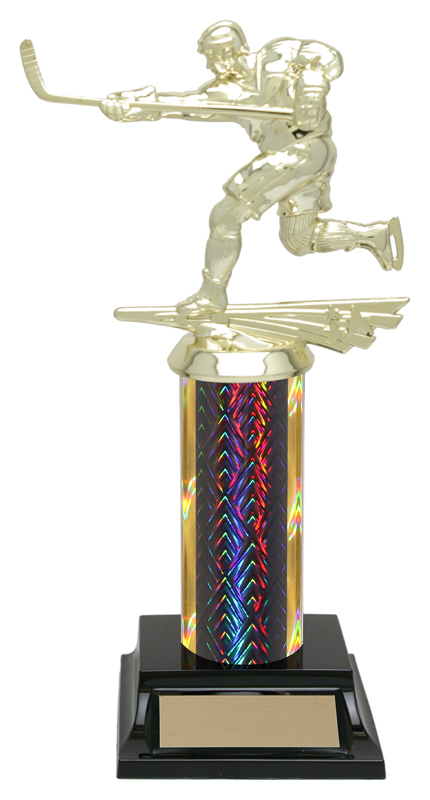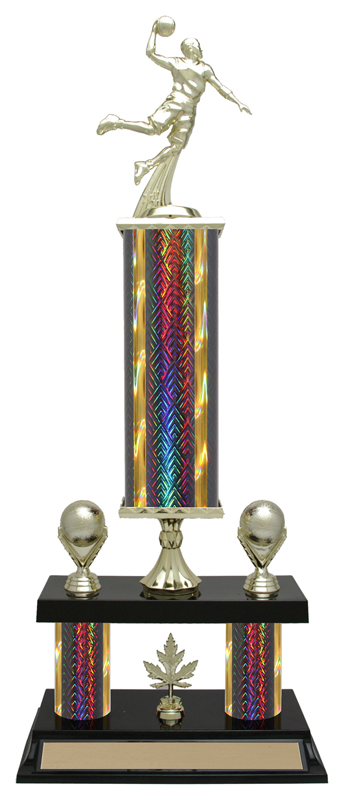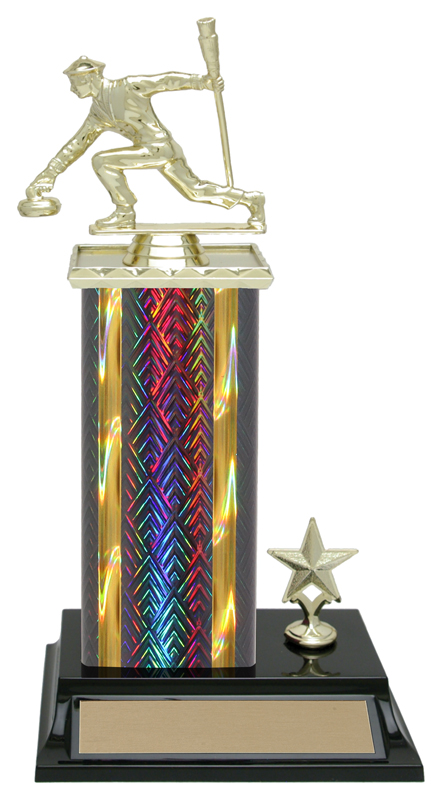
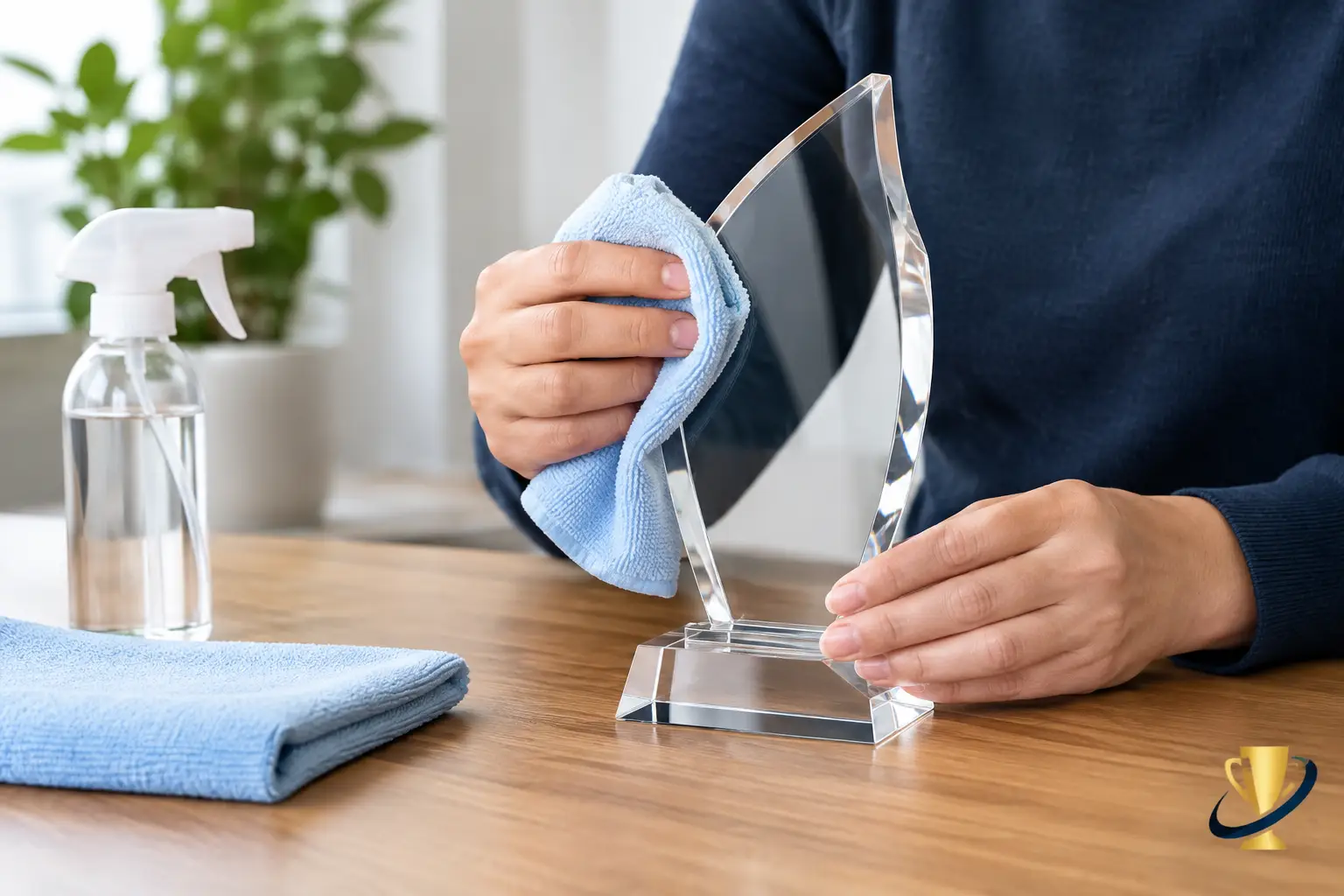
An acrylic trophy keeps its pristine look for years, as long as it is handled with the right products. When cleaning an acrylic trophy, the safest approach is not to scrub hard: first remove any dust, then clean using as little moisture as possible. This precaution is especially important for custom awards featuring a name, date, engraved logo, or colour printing.
Acrylic offers beautiful clarity and great manufacturing versatility. It can be cut, engraved, printed, and assembled into various shapes for sports, school, corporate, or community award ceremonies. On the other hand, its surface is more prone to fine scratches and sensitive to certain solvents than glass. Proper care protects both the trophy's appearance and the clarity of its custom personalization.
Cleaning an Acrylic Trophy in Three Steps
Before you begin, place the trophy on a clean, stable surface covered with a soft towel. Hold it by its base or its sturdiest parts, without putting pressure on any points, glued pieces, or delicate decorative elements. If the trophy combines multiple materials—such as a black base, an engraved plate, or metal inserts—avoid getting moisture into the seams and assembled parts.
Start by dry-dusting with a clean, soft, lint-free microfibre cloth. Wipe gently across the surface without applying pressure. Dust can contain fine abrasive particles: rubbing a mark right away with a stiff dry cloth risks creating swirl marks visible under display case or banquet hall lighting.
If fingerprints remain, prepare warm water mixed with a very small amount of mild soap—ideally fragrance-free, dye-free, and without harsh degreasing agents. Lightly dampen a second microfibre cloth, then wring it out thoroughly. The cloth should be damp, never dripping wet. Clean using slow, straight strokes from top to bottom, rinsing the cloth as soon as it picks up dirt.
Finish with a clean, dry microfibre cloth. Gently pat down the edges, corners, and engraved areas, then let the trophy air-dry completely before putting it back into its packaging or display case. This final step prevents water spots and reduces the risk of moisture getting trapped near an assembly point.
For a Spot Stain or Stubborn Fingerprint
A stubborn fingerprint usually does not require more product, just a gentler touch. Go over the area again with a microfibre cloth barely dampened with soapy water, then dry it immediately. If a sticker has left adhesive residue, never scrape it with a fingernail, blade, or plastic card. The best approach is to ask the manufacturer or supplier for advice before using any specialty product, as the adhesive's composition, the acrylic's finish, and the presence of printing can change the recommended method.
For an older, scratched, or dull trophy, a polishing compound formulated specifically for acrylic can sometimes improve its appearance. However, it is not a one-size-fits-all solution. The wrong polish can damage a matte surface, fill engraved areas with residue, or alter the sheen of printed elements. Always test it in an inconspicuous spot, or have it evaluated by a customization and engraving specialist.
Products to Avoid on Acrylic
Glass cleaner is a common choice, but it is not automatically compatible with an acrylic trophy. Some household products are formulated for glass and can damage plastic, make it cloudy, or cause fine stress cracks. These cracks, sometimes called crazing, can appear near edges, mounting holes, or areas under pressure.
In particular, avoid the following products:
- glass cleaners containing ammonia;
- acetone, thinners, and solvents;
- rubbing alcohol and alcohol-based disinfectants;
- scouring powders, abrasive sponges, and rough scrub pads;
- paper towels, facial tissues, and dusty cloths;
- automotive or household products not specified for acrylic.
Paper towels may seem harmless, but their fibres can leave micro-scratches, especially when used dry. Similarly, an old rag can hold grit, product residue, or coarse fibres. For maintaining awards and plaques, it is best to set aside a few clean microfibre cloths dedicated solely to this task and wash them without fabric softener.
Protecting Engraving, Printing, and Assembled Elements
A custom trophy is not always made from a single piece of clear acrylic. It may include laser engraving, full-colour printing, a Lamicoid plate, an insert, a wood or plastic base, or an applied logo. Each finish adds its own visual appeal, but requires limiting moisture and unnecessary friction.
Laser engraving on acrylic holds up well to normal wear and tear. However, it still benefits from gentle cleaning, especially when the lettering is deep or colour-filled. Avoid letting soap seep into the details and dry there. Instead, use the corner of a slightly damp microfibre cloth and dry immediately.
Printed elements require extra caution. Never spray a cleaner directly onto the trophy: the liquid can seep beneath a decorative layer, into a seam, or onto a base. If necessary, spray a minimal amount onto the cloth instead. When a trophy combines multiple materials, the safest approach is to clean each area with the appropriate care rather than treating the whole piece like a simple pane of glass.
Reducing Dust and Scratches Between Ceremonies
The most effective care begins with where the trophy is placed. An enclosed display case significantly reduces dust buildup, repeated handling, and the risk of falls. If awards are displayed on an open shelf in a school, an office, a sports centre, or a community hall, a light dusting every two to four weeks is often preferable to an occasional deep clean.
Avoid prolonged exposure to direct sunlight, especially near windows. Depending on the quality of the material and the finish, heat and UV rays can contribute to fading, warping, or a loss of clarity over time. You should also keep trophies away from heat sources, high-humidity areas, and uncapped cleaning products.
When transporting awards, wrap each piece separately in a soft, clean material. Trophies should never touch inside a box, as road vibrations can mark the surfaces. For an order intended for an awards ceremony, it is helpful to set aside a clean area where trophies can be unpacked, inspected, and handled prior to the event. This level of organization reduces fingerprints, mix-ups, and last-minute touch-ups.
When to Seek Professional Help
A crack, a detached piece, peeling print, or a deep scratch cannot be fixed with household cleaners. An improvised repair attempt can make the damage more noticeable and compromise the trophy’s structural integrity. When dealing with a memorial award, years-of-service recognition, or a piece with custom detailing that is difficult to recreate, it is best to have the item evaluated before attempting any repairs.
For organizations that regularly order trophies, medals, plaques, or signage, keeping production records on hand is also helpful: logo files, engraving text, order dates, and product photos. In the event of a replacement or update, these details ensure visual consistency across your recognition program. At Mr. Trophy, our customization approach takes into account the material, marking method, and intended use of the product.
A well-maintained trophy remains more than just a decorative object: it keeps the name of an individual, a team, or an achievement clearly visible. A clean microfibre cloth, a little soapy water, and a few minutes of care are usually all it takes to restore a presentation worthy of the milestone it represents.
You may also like

Reviews on Acrylic Trophies Before Ordering
Acrylic trophy reviews help you choose the right thickness, engraving, and finish for your ceremonies, teams, and events across Canada.

Soccer Tournament Trophy Guide: How to Choose the Right One
Soccer tournament trophy guide: choose custom cups, medals, and plaques based on your event's categories, budget, and timeline.
What to Engrave on a Trophy or Plaque: Wording, Length and Examples
Engraved text turns a simple object into a lasting keepsake. Here is how to choose the right words and the right length, and how to avoid mistakes that can't be undone.