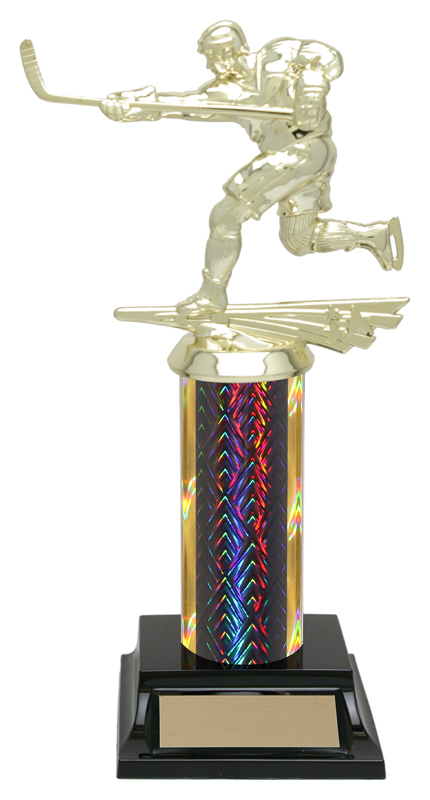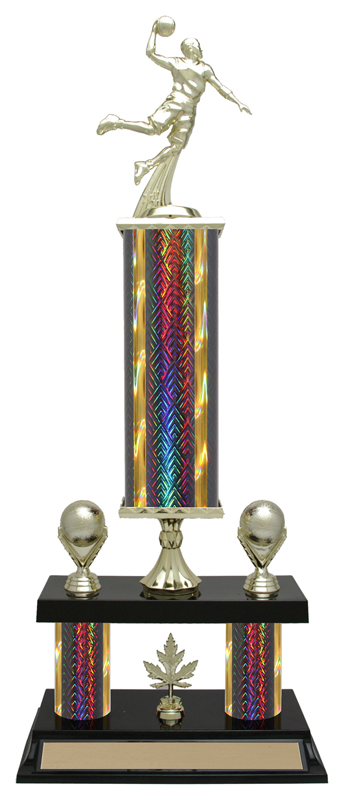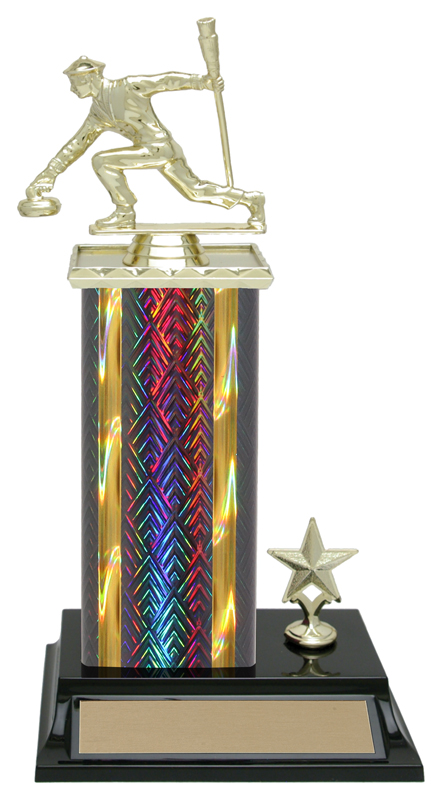
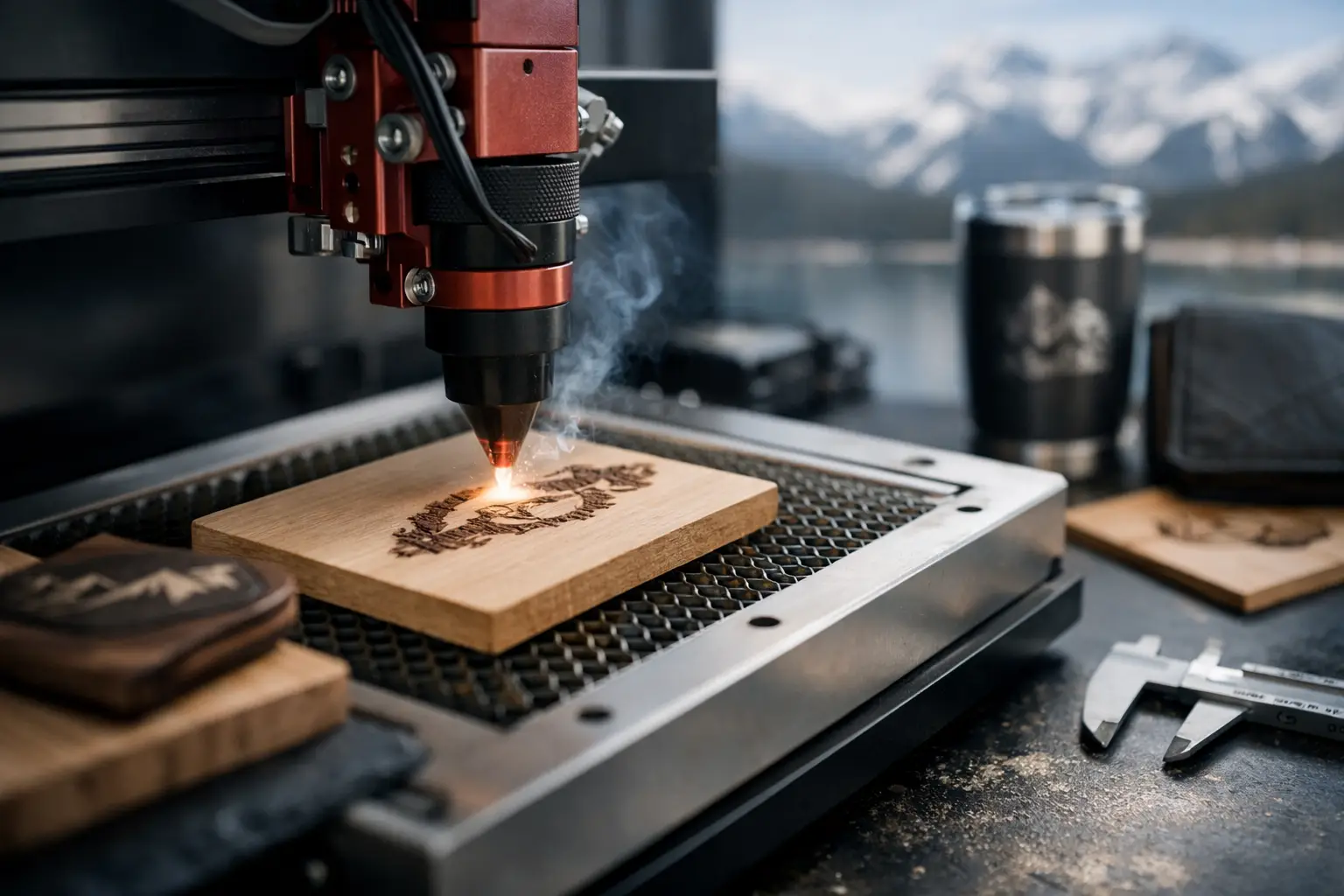
A door plaque for an office, 300 medals for a sports league, or an engraved bottle for a retirement send-off don't all require the same amount of work. That's why the question "how much does laser engraving cost" has no single answer. The price depends as much on the item as it does on the marking, the quantity, the file provided, and the expected level of finish.
For an organization, the right approach is to first define the outcome you're looking for: identifying a location, recognizing an achievement, promoting a brand, or personalizing a gift. That clarity makes it possible to choose the most suitable material, production method, and format, and then to get a reliable quote.
How much does laser engraving cost depending on the project?
As a general guideline, a small text personalization on a compatible item can start around $10 to $25 CAD, depending on the preparation and the material. A personalized engraved plaque can range from $20 to $100 CAD or more, depending on its dimensions, substrate, hardware, and content. For trophies, medals, or corporate gifts, the overall cost generally combines the price of the item and the cost of personalization.
Bulk orders change the pricing logic. The preparation of a logo, a name template, or a layout is often spread across the entire order. A run of 100 identical plaques with a single variable, such as a name or a number, will therefore typically cost less per unit than 100 different items each requiring its own distinct composition.
These ranges are meant to frame a budget, not to replace a quote. Engraving on a plastic engravable name tag doesn't require the same settings as marking on glass, leather, metal, wood, or jewellery. Some customer-supplied items also need to be assessed before production to confirm they are compatible with laser engraving and can be safely positioned.
The factors that affect laser engraving pricing
The material and surface to be marked
The material is the primary cost factor. Lamicoid-type plastics, acrylic, wood, and certain anodized metals are particularly well suited to the production of signage plaques, identification labels, and panels. They allow for clean readability and consistent production.
Glass, crystal, leather, bottles, and cylindrical objects sometimes require additional handling. A curved surface may call for a rotary attachment or specific positioning. A fragile item also requires extra care. For metal items, the desired result may involve direct engraving, surface marking, or an applied plate, depending on the metal and the contrast being sought.
The size of the engraved area matters more than the overall size of the item. A small logo and two lines of text are completed more quickly than a large illustration covering an entire surface. Highly detailed visuals, large filled areas, and photographs converted to greyscale all increase processing and quality control time.
The content: text, logo, and variable data
A simple text, such as a name and a date, remains the most economical option. The price increases with the number of lines, the fonts chosen, the addition of a logo, the graphic complexity and the need to create a proof.
For businesses, schools, municipalities and associations, providing a vector logo or a good-quality file helps speed up preparation. A blurry logo taken from an image or a screenshot often needs to be reworked. This graphic design work is useful for achieving a clean engraving, but it must be factored into the budget and timeline.
Variable data deserves special attention. A structured list of names, titles, team numbers or employee numbers simplifies the production of medals, badges, recognition plaques and labels. Conversely, information sent across multiple emails, with successive corrections, multiplies the verifications required and the risk of error.
Quantity, Timelines and Finishing Steps
The unit cost generally decreases as quantity increases, especially when the format, material and design remain the same. This applies to locker plates, name tags, trophies from the same series, tournament medals and directional signs.
A tight deadline can limit the available options or require priority production scheduling. For an awards ceremony, a school event or a sporting occasion, it is best to confirm the quantity and names as early as possible. Allowing time for proof approval is equally essential: a precise engraving starts with an accurate text.
Finally, some products require additional operations: cutting, drilling, adding adhesive, mounting on a backing, inserting into a trophy, individual packaging or preparing team lots. These finishing steps affect the final price, but they often save the client from extra handling on their end.
Sample Budgets to Help You Plan
For an individual, a glass, a bottle, a leather wallet or a piece of jewellery may call for a moderate budget when the marking is limited to initials, a date or a short dedication. The value of the item, its shape and the level of handling risk remain determining factors, however, especially for one-of-a-kind pieces.
For a team or a club, the budget must include the items themselves: medals, cups, trophies or plaques. A small run of personalized awards will cost more per unit than an annual order combining several categories. Consolidating seasonal needs can therefore offer greater visual consistency and better cost control.
For an office, a school or a municipality, door plates, room labels, desk plaques and identification signs benefit from being planned as a cohesive set. Using consistent dimensions, colours and fonts makes future additions easier. A signage system designed to evolve also reduces costly replacements when a name, a room or a position changes.
How to Request an Accurate Quote
A good quote doesn't start with an isolated number, but with the information needed to produce without guesswork. Indicate the type of item you want, or attach a photo if you're supplying the object. Specify the material, the dimensions of the engraving area, the quantity, the required date, and the delivery or pickup location.
Then add the exact text and any available graphic files. For a multi-item order, provide the names in a clear table with one row per product. Flag the elements that remain the same, such as the organization's logo, and those that vary, such as award categories or player numbers.
Also request a proof before production, especially for a logo, a crest, a list of recipients, or an institutional plaque. This step allows you to verify spelling, accents, alignment, and legibility. It prevents a saving made upfront from turning into a replacement order after the event.
Laser engraving, CNC or printing: choosing the right method
Laser engraving works very well for fine details, personalization of small and medium runs, and a wide range of materials. It is often the method of choice for trophies, plaques, gifts, glassware, leather goods, and compatible promotional items.
CNC engraving may be preferable when a project calls for deeper mechanical engraving, work on certain metals, or a specific finish. Printing and screen printing address other needs: vivid colours, large surfaces, or promotional apparel. The best choice isn't necessarily the least expensive per unit. It's the one that produces a marking that is durable, legible, and consistent with the product's actual use.
For a recognition, signage, or personalization project, a detailed quote makes it possible to compare options without sacrificing quality. By preparing quantities, text, and visuals early on, you maintain control of your budget while delivering a result worthy of the occasion.
You may also like
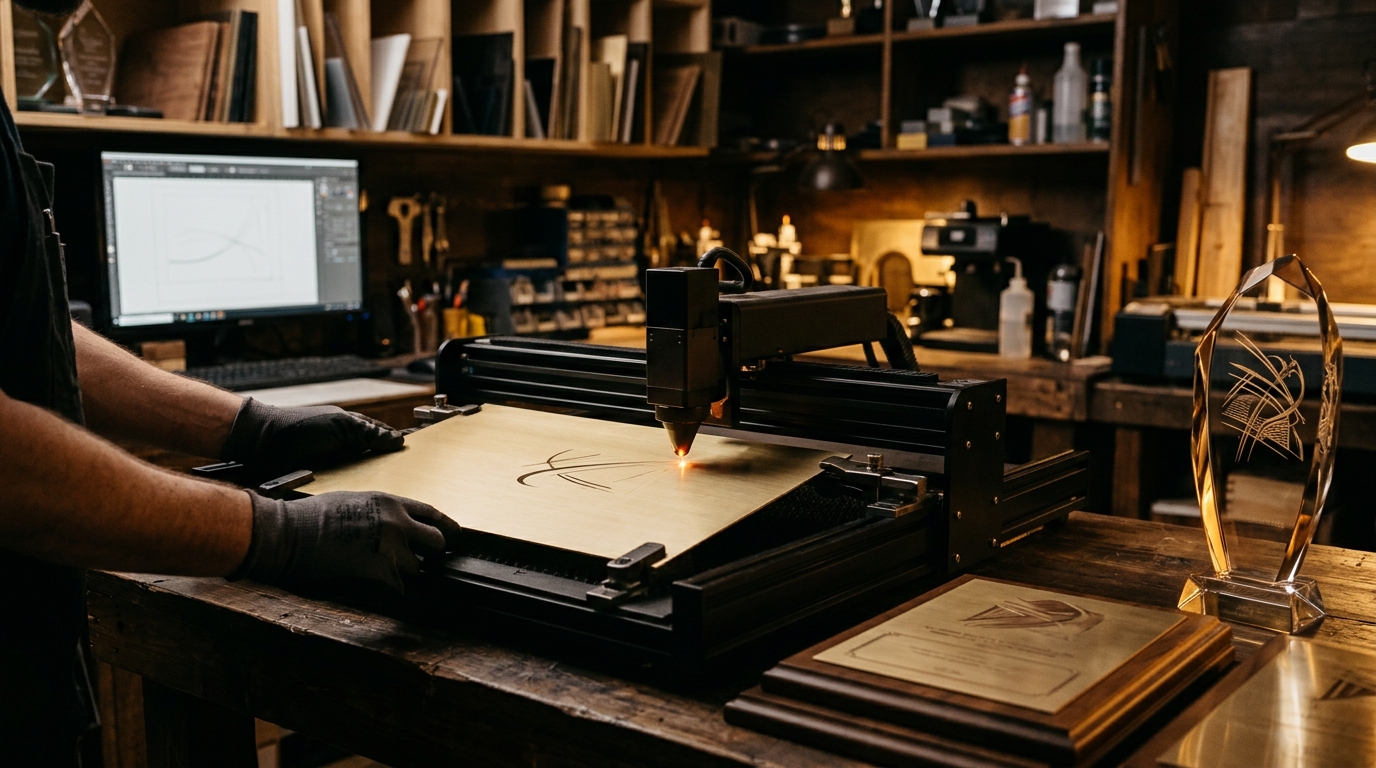
Preparing Your Logo for Laser Engraving and Printing: File Formats and Best Practices
A good file is half of a great trophy. Here are the formats, resolutions and tips to know so your logo looks sharp on your plaques, trophies and medals.
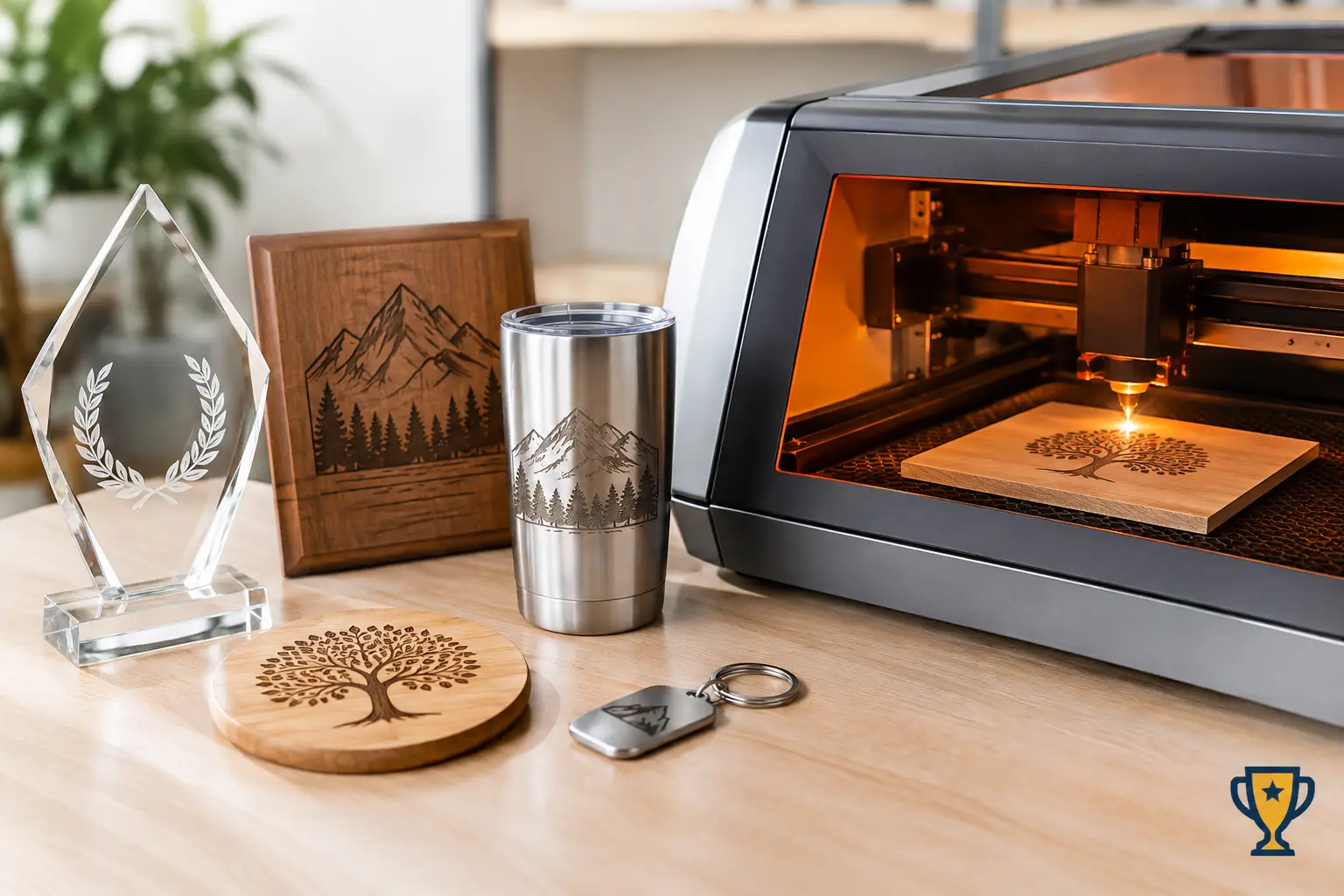
Laser engravers for awards, plaques, and objects
Choosing laser engravers to personalize trophies, plaques, gifts, and signage with a precise, durable finish tailored to each material.
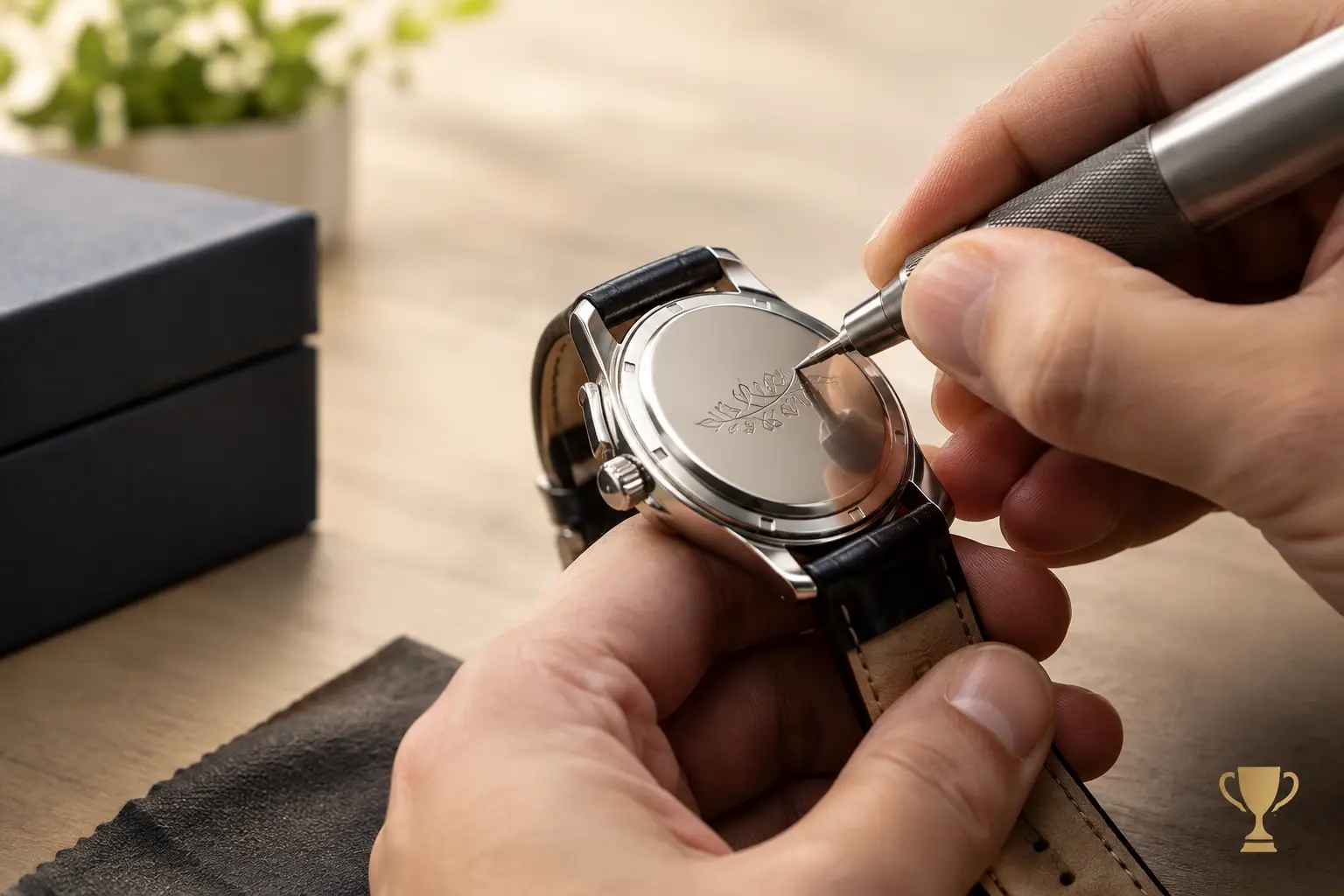
Watch Engraving: Options and Advice
Having a watch engraved requires choosing the right placement, material, and message. Tips for a durable, precise, and uniquely personal result.