
An awards ceremony leaves little room for approximation. A misspelled name, an imprecise logo or a plaque delivered too late can draw attention away from the act of recognition itself. Choosing a trophy supplier is therefore not simply a matter of comparing models: it means entrusting a visible part of your event, your recognition program or your organizational image to a specialist capable of delivering accurate results on time.
For a school, a sports league, a municipality, a business or an association, needs vary from one ceremony to the next. Some projects call for 15 identical cups with individual name plates. Others combine trophies, medals, certificates, promotional apparel and signage for a complete event. The right partner must be able to adapt to that reality without complicating your purchasing process.
Start by defining the purpose of the trophy
Before choosing a material or a format, clarify what the award is meant to represent. A tournament trophy does not serve the same purpose as a years-of-service recognition plaque, an annual sales award or a distinction presented to a volunteer. How long it will be kept, the level of prestige expected and the presentation context all guide the choice.
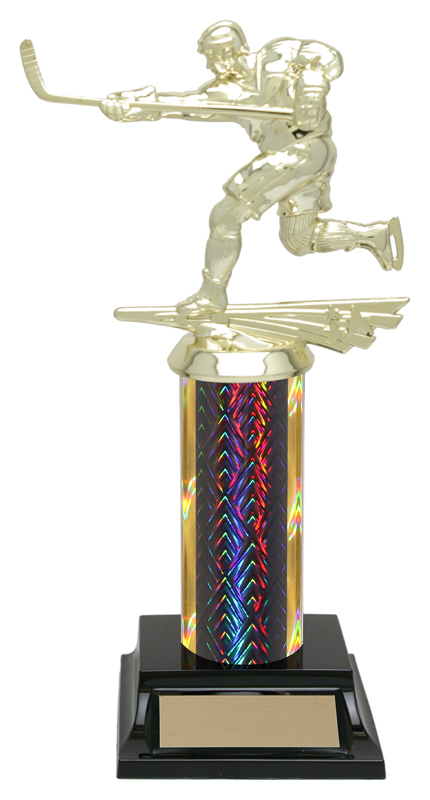
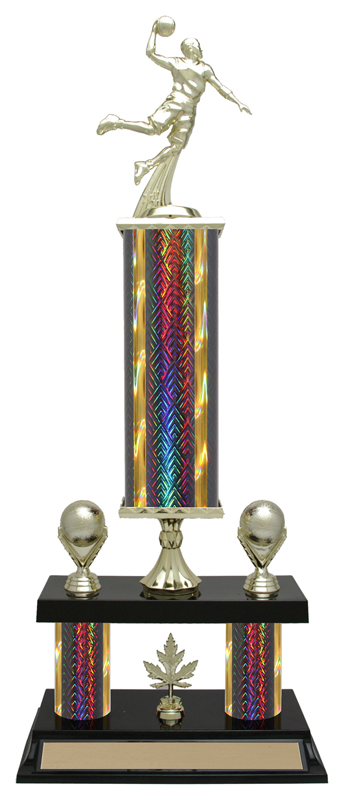
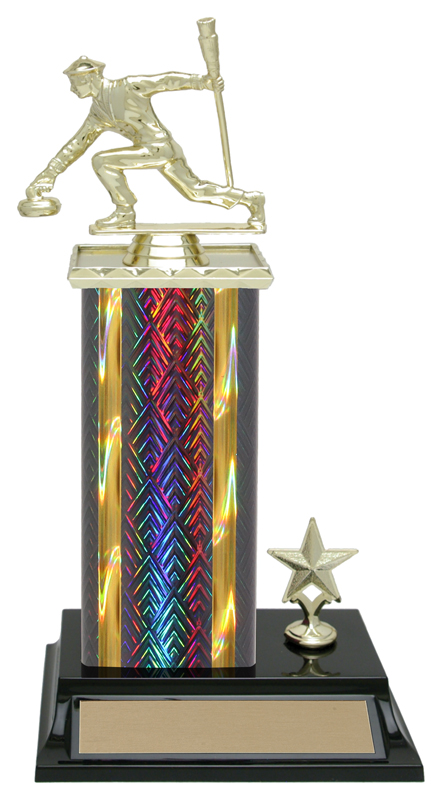
Cups and sports trophies work well for recurring competitions, particularly when they need to display a team name, a category or a season. Medals are effective for recognizing a large number of participants, especially at races, school sports days or championships. Engraved plaques, in wood, metal or acrylic, lend a more institutional character to professional or community recognition.
Glass and crystal create a more ceremonial effect for executive awards, corporate anniversaries or high-level distinctions. On the other hand, they require special attention when it comes to shipping and budget. An acrylic model can offer a clean, modern and durable finish, with greater flexibility in shapes and colours. There is no single best material in absolute terms: the right choice is the one that matches the message and the actual conditions of the presentation.
What a trophy supplier must master
An extensive catalogue is useful, but it is not enough. The value of a trophy supplier is also measured by its ability to transform a standard product into an object clearly associated with your organization. That personalization relies on precise processes, careful information management and thorough graphic preparation.
Laser engraving is suitable for many materials, including glass, wood, certain metals, leather and a range of custom products. It allows names, dates, recognition text and logos to be rendered with precision. CNC engraving is particularly well suited for certain panels, identification plaques and rigid materials requiring depth or a specific finish. Screen printing may be considered when brand colours play a central role in the visual.
These techniques do not produce the same result. A highly detailed logo may need to be simplified to remain legible on a small medal. Conversely, a large plaque can accommodate more complete text, a signature, or an institutional layout. An experienced supplier helps you select the process suited to the medium rather than reproducing the same file across all products without accounting for production constraints.Data preparation deserves your attention
Most delays and errors do not originate from the trophy itself, but from information submitted too late or incomplete. A list of names must be validated before production, ideally in a single file. Accents, hyphens, titles, years, and categories must be reviewed with the same care as the artwork.
For logos, a vector file or a high-quality image ensures clean marking. If your organization does not have a production-ready file, a graphic design service can prepare a version compatible with engraving or printing. This step is particularly useful when a logo needs to be adapted across multiple products: trophies, medals, plaques, apparel, or promotional items.
Assess lead times before confirming your selection
The lead time does not depend solely on the date of your ceremony. It includes product selection, the price request, artwork preparation, approval, personalization, quality control, and shipping or pickup. The more a single order involves different names, formats, or marking techniques, the more important it is to allow adequate time.
For an annual gala or a planned tournament, start the project as soon as the date is confirmed, even if not all names have been finalized. You can reserve the models, establish the budget, and approve the overall look. Name plates or final inscriptions can then be completed once the results are official.
A rush order is sometimes possible, but it limits your options. The model you want may no longer be available, certain finishes may require a minimum production time, and every late correction increases the risk of error. For recurring purchases, keeping references, templates, and approved artwork from one year to the next considerably simplifies preparation.
Think about the complete recognition program
A cohesive presentation is not always limited to a single trophy. A company may pair an engraved award with a lapel pin, a personalized gift, or a wall plaque. A school may order medals for students, a perpetual cup for the institution, and plaques for the recipients. A municipality may coordinate volunteer awards with identification panels or signage for the ceremony venue.
Consolidating these needs with a single specialist offers a concrete advantage: logos, fonts and colours remain consistent across all items. It also eliminates the need to explain the same requirements multiple times to different suppliers. Mr. Trophy supports this type of project by bringing together custom engraving, trophies, medals, plaques, signage and promotional products according to each organization's needs.
This approach is equally practical for ongoing programs. A human resources team can plan service anniversary awards, quarterly distinctions and farewell gifts. A sports club can prepare season medals, banners and year-end trophies. When orders recur regularly, a clear structure helps maintain the same quality of presentation without starting from scratch each time.
Asking the Right Questions at the Quoting Stage
A useful quote needs to go beyond a unit price. It should account for quantities, text variations, the personalization technique, graphic preparation and the deadline. If you are comparing several options, ask to see the difference between materials or sizes: a small variation can have a noticeable effect on how the award is perceived at the moment of presentation.
Also specify whether the trophies need to be individually packaged, shipped to multiple locations or prepared for pickup on a specific date. For institutional orders, it may be worth checking whether complementary products will be needed later, such as door plaques, name badges or engraved panels. This initial discussion prevents fragmented purchases and unnecessary visual inconsistencies.
Finally, do not choose based on price alone. A recognition award is often kept for years, displayed in an office, a school, a club or a home. The legibility of the engraving, the stability of the base, the quality of the material and the accuracy of the information matter far more than a few dollars saved on an item that is meant to represent an achievement.
The best choice is the one that makes your recognition easy to organize and meaningful to present. By preparing your information early, selecting an appropriate medium and working with a personalization specialist, you give every trophy the presence it deserves at the moment it is awarded.
You may also like
Award Ideas for Volunteers, Board Members and Contractors
How to recognize board members, volunteers and long-term contractors: award formats, separate budget lines and calendar dates that fit non-employees.

Soccer Tournament Trophy Guide: How to Choose the Right One
Soccer tournament trophy guide: choose custom cups, medals, and plaques based on your event's categories, budget, and timeline.

Choosing Your Trade Show Banners
Choose trade show banners that are visible, durable, and tailored to your space, your message, and your actual installation constraints.