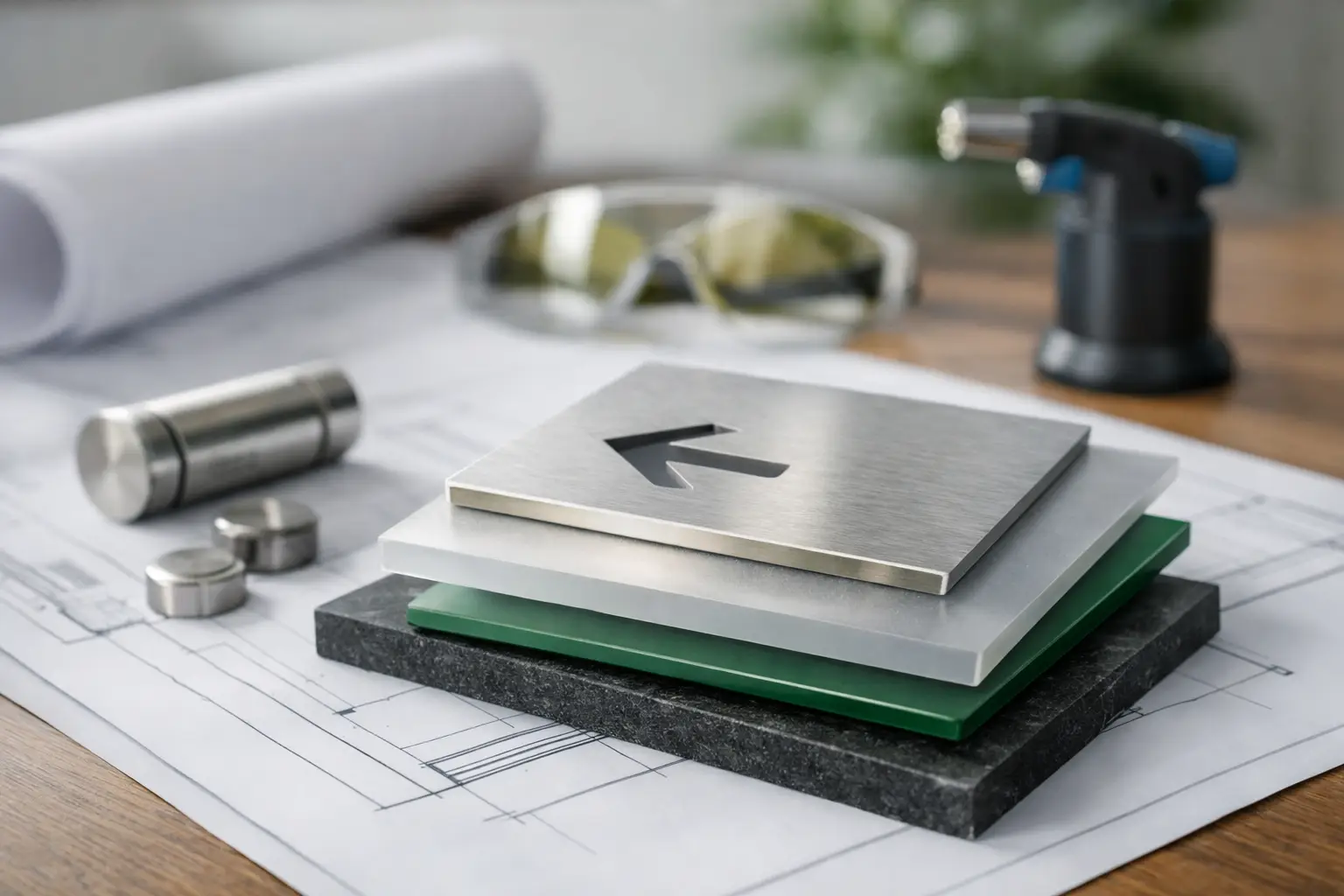
A faded door panel, a warped directional sign, or exterior identification that has become illegible quickly creates an operational problem. Durable signage materials help avoid premature replacements, provided they are chosen based on the actual use of the space, the marking method, and maintenance requirements.
For a school, municipality, business, sports complex, or office, signage must remain clear, clean, and consistent with the organization's image. Its lifespan depends not only on the visible material: the fastening, finish, exposure to the elements, and engraving or printing technique all play a role.
What durable means in signage
A durable material is not automatically the thickest, most expensive, or most difficult to damage. In a signage project, durability refers above all to a substrate's ability to maintain its function: remaining legible, stable, safe, and presentable throughout the intended period.
A room sign in an administrative building may stay in place for ten years with few constraints. A sign installed near a parking lot, exposed to sun, salt, temperature variations, and impacts, requires a different level of resistance. Conversely, temporary event signage may favour a lighter, reusable substrate rather than a material designed to last several decades.
The frequency of updates must also be considered. In an organization where positions, departments, or occupants change regularly, a system of interchangeable signs can reduce waste. The right approach is therefore to define a realistic service life, then choose the substrate and customization that meet those needs.
Durable signage materials by application
Aluminum: a reliable choice for outdoor use
Aluminum is frequently chosen for parking signs, building identification, regulatory panels, and outdoor displays. It resists corrosion well, remains relatively lightweight, and provides a stable base for printing, lettering, or engraving.
Its performance depends on its finish. Aluminum that is painted, anodized, or protected with an appropriate film will better withstand UV rays and moisture than a standard finish. For installations subject to Quebec winters, fastening must also be planned to prevent water infiltration and warping caused by freeze-thaw cycles.
Aluminum does, however, require special attention when installed near certain metals or in highly saline environments. The choice of screws, spacers, and hardware directly contributes to the overall lifespan of the installation.
Engraved plastic and Lamicoid: readability and versatility
Multilayer engraving plastics, including Lamicoid, are particularly useful for door signs, equipment labels, safety panels, room numbers, and name plates. Engraving removes the surface layer to reveal a contrasting colour underneath. The message thus becomes part of the material itself, rather than relying solely on ink applied to the surface.
This solution works well in indoor environments, workshops, educational institutions and spaces where identification needs to be precise. A variety of finishes, colours and thicknesses make it easy to match plaques to an existing décor or brand guidelines.
Not all engraved plastics are created equal, however. Some hold up better against cleaning products, UV rays or moisture. For outdoor use, a material explicitly designed for that purpose remains the better choice. From an environmental standpoint, these plastics can offer a long service life, but recycling them is sometimes more complex than recycling metal. Using them in the right application and avoiding unnecessary replacements is often the most sensible approach.
Acrylic: a clean finish for reception areas
Acrylic lends a polished look to reception plaques, wall logos, schedules, meeting room signs and displays. Whether transparent, frosted, coloured or mounted on standoffs, it allows for contemporary signage that doesn't overwhelm the space.
It is best suited to indoor or sheltered areas. Acrylic holds up well to moisture, but it can scratch or crack under a significant impact. Proper sizing, polished edges and appropriate installation help reduce these risks. Laser engraving delivers precise detail, while printing or vinyl application may be better suited to more complex visuals.
For high-traffic entrances, it is worth evaluating where the sign will be positioned. A plaque installed at the height of bags, carts or door handles is subject to very different wear than a decorative plaque mounted behind a counter.
Stainless steel, brass and other metals for lasting identification
Stainless steel is a popular choice in institutional, industrial and commercial settings where a professional finish and excellent durability are required. It lends itself well to commemorative plaques, technical identification, building signage and applications that involve frequent cleaning.
Brass offers a more classic look, particularly well suited to honorary plaques, professional offices and permanent recognition pieces. It does, however, require proper maintenance to preserve its appearance. Depending on its location, a protective finish may be beneficial.
These materials generally have a higher upfront cost than standard plastics. Their longevity, their limited but reliable repairability and their strong visual appeal can justify this investment for installations that won't need to be changed often.
The marking method affects longevity just as much as the material
Even the best material loses its value if the room name, pictogram or number fades in a short period of time. The personalization process should be chosen based on the level of detail required, the surface type and the degree of exposure.
Laser engraving is effective for name plates, labels, numbers and fine details on several compatible plastics, acrylics and metals. CNC engraving is particularly relevant when deep marking, a mechanical finish or work on certain metals and rigid plastics is required. Screen printing may be appropriate for series of panels featuring solid colours and repeated graphics.
For outdoor signage, the essential question is straightforward: will the text remain legible if the surface is exposed to sunlight, washing and handling? A contrasted engraving or a protected print is often more durable than a sticker not intended for that environment. It is also worth choosing a clean typeface, a sufficient character size and high contrast. Durability includes ease of reading as well.
Designing signage that lasts without overproducing
Responsible choices go beyond selecting a recyclable material. They involve ordering the right number of panels, standardizing formats and planning for future changes. An organization that uses the same system for its door plates, office identification and service panels gains consistency and reduces last-minute orders.
Before production, it is worth confirming four elements: the exact location, the intended service life, the type of fastening and the information likely to change. An adhesive plate may suit a smooth interior door, while an outdoor panel will sometimes call for screws, standoffs or a more structured support. A mistake at this stage can mean redoing a product that was otherwise manufactured in an excellent material.
Organizations managing multiple sites also benefit from keeping their logo files, colours, formats and material references on hand. When a new location opens or a plate needs replacing, production can then remain consistent with the existing system. At Mr. Trophy, graphic design, laser engraving, CNC engraving and screen printing services make it possible to tailor the customization to the chosen substrate, whether it is a technical plate, door signage or institutional identification.
Matching the budget to the service life
The least expensive material to purchase is not always the most cost-effective. A temporary interior plate in standard plastic can perfectly meet the need. On the other hand, the same choice for a heavily exposed outdoor entrance can lead to replacements, installation costs and a less polished appearance.
It is more practical to allocate the budget by zone. Permanent elements that are highly visible or subject to heavy use merit a higher-quality substrate and marking. Variable information can be designed as inserts, replaceable plates or modular systems. This distinction avoids paying for excessive durability where it adds no value, while protecting the installations that truly need to last.
Well-designed signage guides visitors, makes life easier for staff, and keeps a space looking its best year after year. Before settling on a colour or finish, start by thinking about what the sign will have to withstand on a daily basis — that's usually where the right choice reveals itself.
You may also like
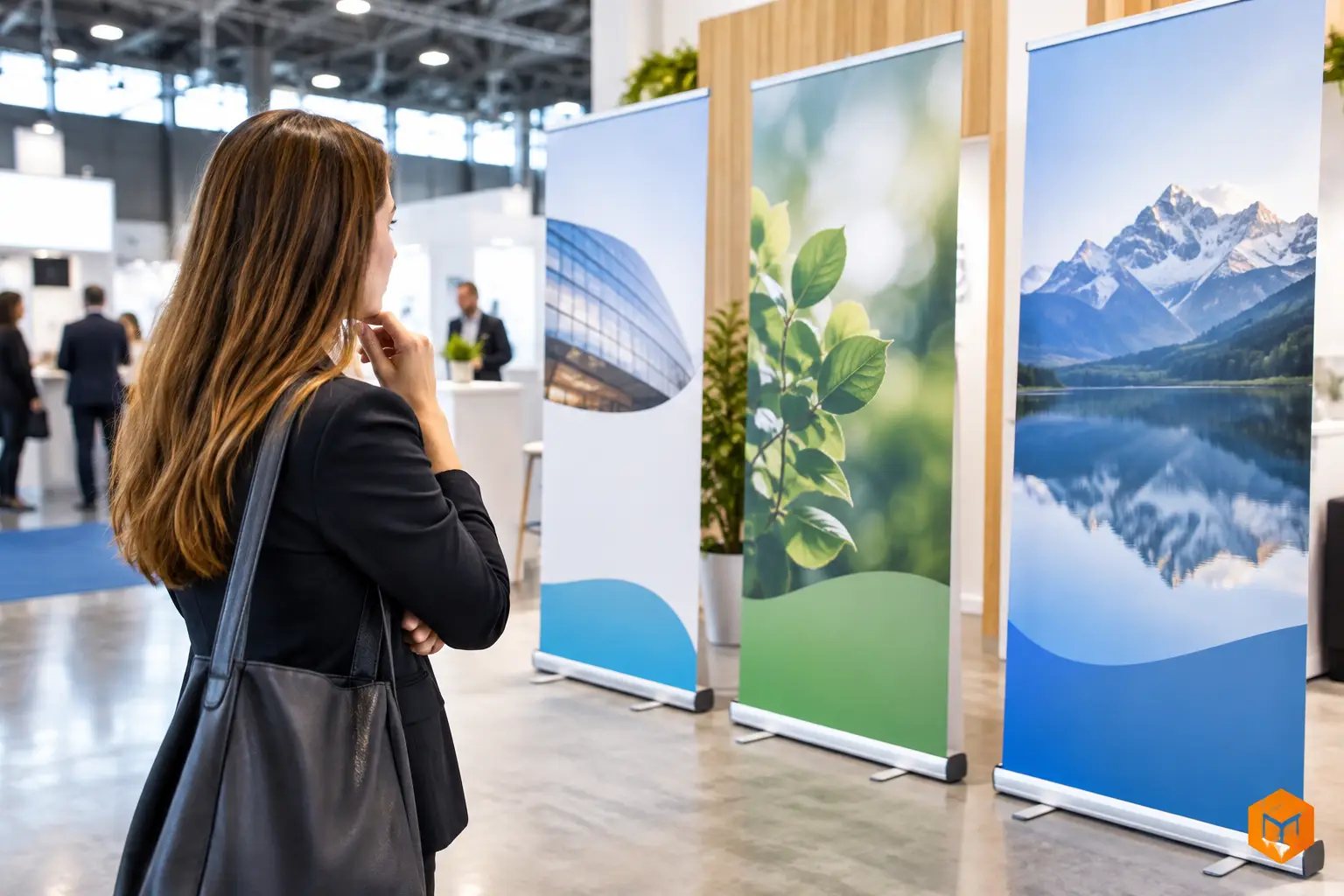
Choosing Your Trade Show Banners
Choose trade show banners that are visible, durable, and tailored to your space, your message, and your actual installation constraints.
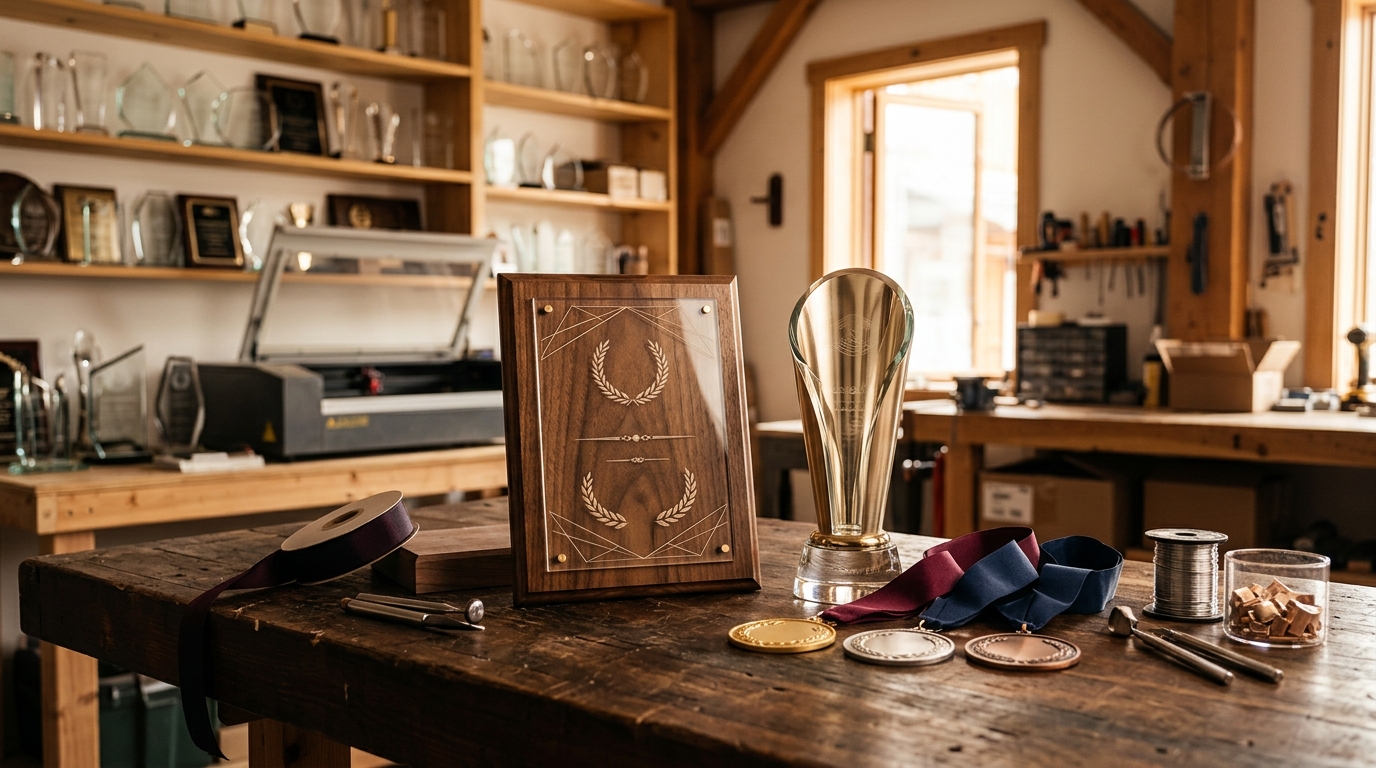
School Merit Awards: Choosing Trophies and Medals for Your End-of-Year Gala
School principals, teachers and parent committees: here is how to choose trophies, medals and plaques for a merit gala that truly recognizes every student. Our tips on categories, formats, engraving and timelines.
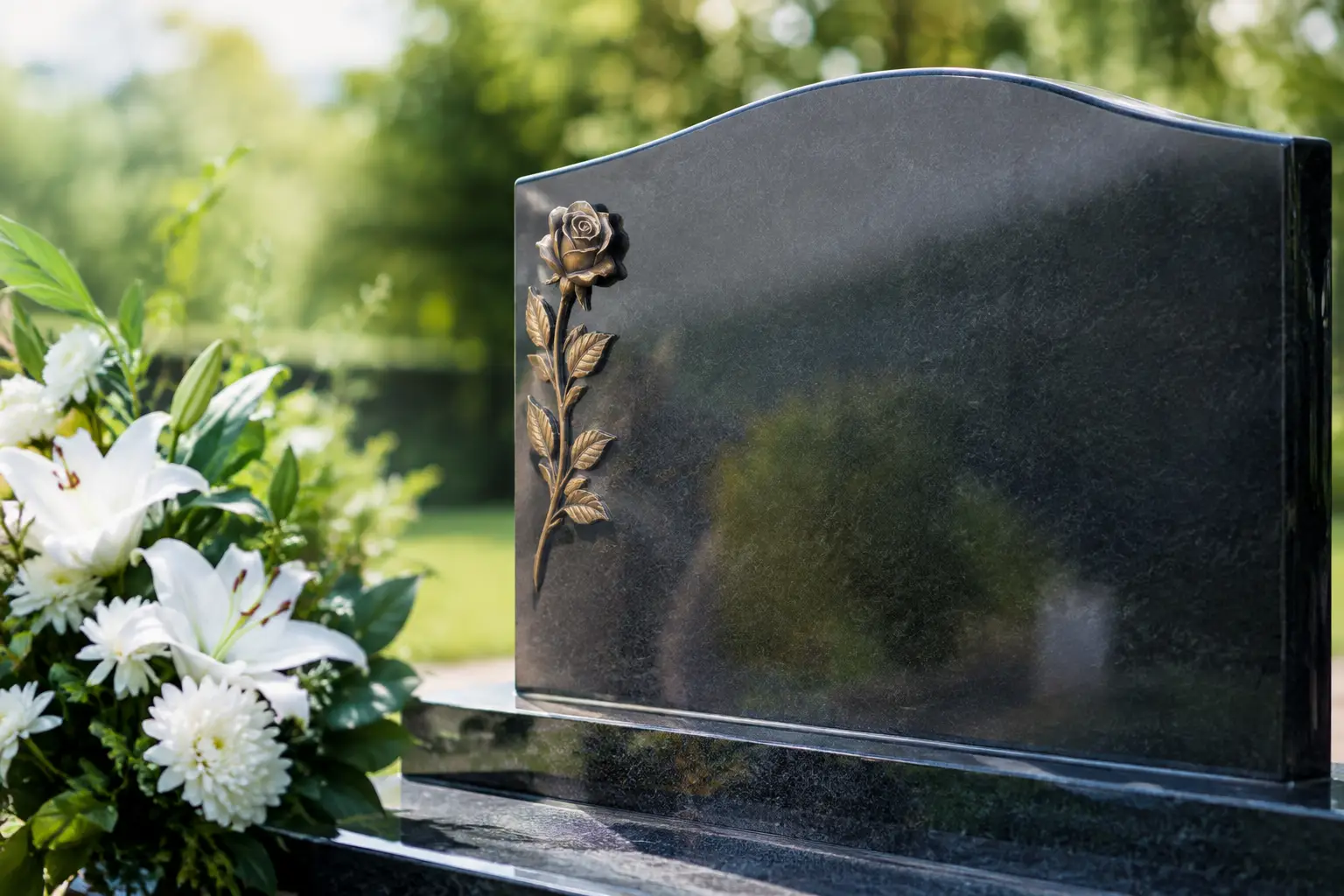
How to Choose Durable Funeral Plaques
Choosing memorial plaques with care: materials, sizes, engraving and tips for creating a lasting, legible and respectful tribute in Quebec, simply.