
An awards ceremony, year-end gathering, or new client welcome doesn't come together at the last minute. The right corporate gift should represent your organization, fit your budget, and remain useful or memorable long after the event. An engraved water bottle, a recognition plaque, team-branded apparel, or a personalized glass item each makes a very different impression. The choice starts with the message you want to send.
For businesses, schools, municipalities, associations, and sports teams, a personalized gift also serves as a branding tool. A name, a logo, a date, or an achievement milestone must be accurate, legible, and suited to the material. That's where product selection and marking method make all the difference.
Defining the Purpose of the Corporate Gift
Before browsing a catalogue, clarify the occasion. An item presented to mark 25 years of service should have lasting presence. On the other hand, a gift distributed to hundreds of participants at a tournament, conference, or recruitment campaign needs to be consistent, practical, and easy to personalize at scale.
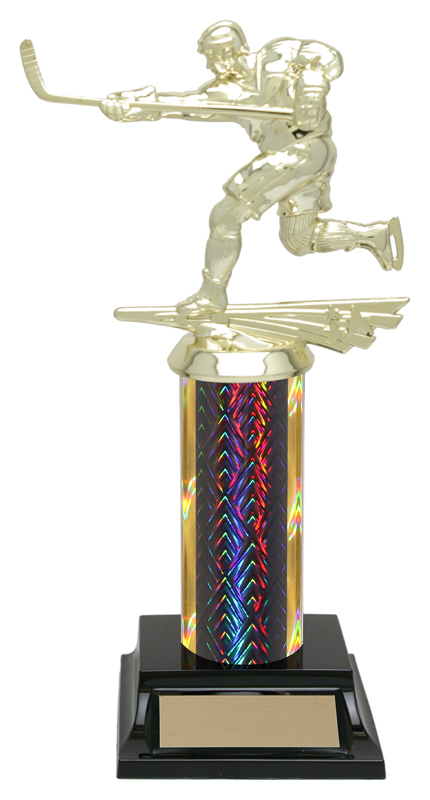
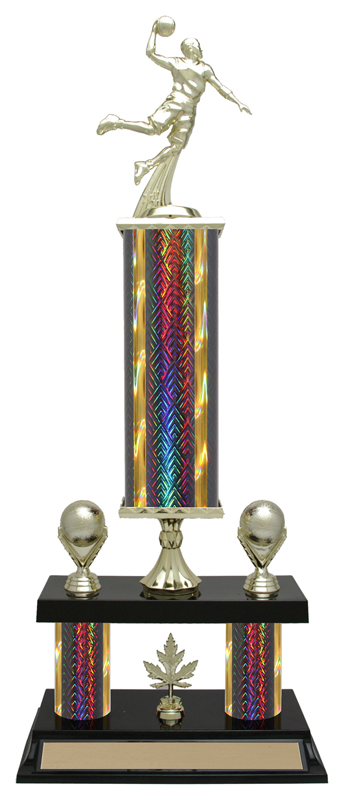
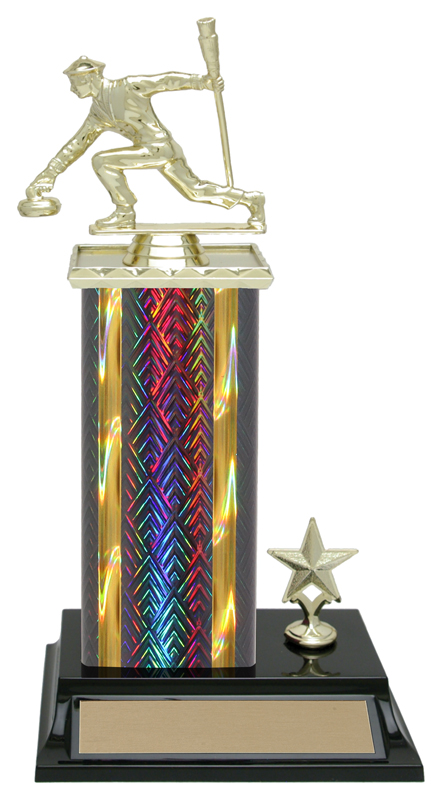
Employee recognition often calls for something more personal. An engraved plaque, a trophy, a crystal piece, a watch, or a desk accessory may be appropriate depending on the level of recognition. When thanking a client or partner, a refined, well-finished gift will generally be more fitting than something overtly promotional. The logo can then be subtle, paired with a personalized message.
For a team activity or public event, the objective shifts. The gift should reinforce a sense of belonging and ensure good visibility for the organization. Promotional apparel, medals, bottles, bags, and practical items work well in this context. In every case, the chosen product should suit the recipient — not simply what happens to be available quickly.
Choosing an Item That Will Actually Be Kept
A gift lands better when it fits into everyday life or marks a specific moment. That may seem straightforward, but it helps avoid generic items that end up forgotten in a drawer. To make the right call, consider the context of use, the expected lifespan, and the degree of personalization required.
A functional gift is especially relevant for large groups. A reusable bottle, a notebook, an apparel item, or an accessory bearing the organization's identity can last a long time — provided the marking quality holds up. Items used outdoors, in a school, a workshop, or a sports facility must also withstand frequent handling and washing.
A commemorative gift follows a different logic. For a retirement, an annual distinction, a volunteer contribution, or the end of a mandate, the person's name and the details of their accomplishment deserve a central place. The text shouldn't be scaled back in favour of the logo. A clear layout, well-chosen typography, and a balanced arrangement of elements are what give the item its value as a keepsake.
Four Benchmarks Before Confirming the Order
When several products seem like a good fit, compare them using four concrete criteria:
- The intended audience: employees, volunteers, students, clients, elected officials, or participants all have different expectations.
- The quantity required: an order of ten pieces allows for more individual customization than a distribution of a thousand items.
- The intended lifespan: an event item can be lightweight, whereas a recognition gift must remain presentable for years.
- The content to be inscribed: a complex logo, a list of names, or a lengthy message will impose constraints on space and technique.
These elements also help establish a realistic budget. A low unit cost can be advantageous for a large-scale campaign, but may become less relevant if each piece requires a different graphic preparation. Conversely, for a formal presentation to a small number of recipients, perceived quality and finish often take precedence over quantity.
Matching Customization to the Material
Customization is not simply a matter of adding a logo. The result depends on the material, the available surface area, and the process used. Laser engraving is particularly well suited to many items made of glass, metal, wood, leather, or acrylic, delivering a precise and permanent result. It can be especially effective for inscribing names, dates, numbers, or recognition messages.
CNC engraving offers additional possibilities for plaques, panels, Lamicoid products, and applications requiring depth or precise machining. For identification needs that sometimes accompany a gift program — such as name plates, labels, door panels, or badges — this consistency of production is essential.
Screen printing is often well suited to promotional apparel and certain items that call for bold colour and strong visibility. It works well when a logo needs to be reproduced uniformly across a large number of pieces. However, a highly detailed design, small lettering, or multiple colours may require a different approach. It is best to submit a high-quality graphic file from the outset and verify the final dimensions of the imprint area.
Glass and crystal yield an elegant result for formal distinctions, but require particular attention to legibility. Leather offers a warm and durable look, though engraving produces a more subtle contrast than on bright metal. Bottles, jewellery, watches, and rings call for a shorter message, as the marking area is limited. In these cases, an initial, a date, or a concise phrase will often be more effective than a full block of text.
Making Your Logo a Recognition Element, Not an Obstacle
A corporate gift can carry your brand without resembling a promotional item. The placement of the logo depends on the context. On a team garment or an item distributed at a trade show, it can be prominently displayed. On a gift presented to an employee for a distinguished career, it is better suited to complementing the message rather than dominating it.
Visual hierarchy matters. Start with the information the recipient should remember: their name, the award received, the event, or the acknowledgment. Then add the organization's name, logo, and date. On a plaque or trophy, a few well-composed lines will always make a stronger impression than an overly dense block of text.
If your organization already uses specific colours, fonts, or graphic standards, provide them when submitting your award request. This preparation reduces revisions and helps maintain a consistent image across trophies, medals, signs, apparel, and promotional items. A layout proof before production is especially useful for proper names, official titles, and ceremony dates.
Planning Ahead Without Sacrificing Quality
Urgent needs do arise, particularly when a winners list changes or an event is rescheduled. However, customization involves several steps: selecting the item, confirming the text, preparing the artwork, approving the proof, production, and quality control. The more a order combines different references, individual names, or techniques, the earlier it needs to be planned.
For recurring presentations, such as an annual gala, a sports season, or an employee recognition program, keep your approved templates and information from the previous year on hand. This supports visual continuity and reduces the risk of errors. That said, it is still best to verify every name, accent, title, and date before production begins.
Grouping certain needs together can also simplify your planning. A single order can include trophies for award recipients, medals for participants, name plaques for the event, and custom apparel for volunteers. This coordinated approach delivers a cohesive result, without having to adapt your visual identity across multiple suppliers.
When to Choose an Individual Gift or a Uniform Series
There is no single right answer. A uniform series works well for group events, visibility campaigns, and teams sharing a common experience. It simplifies budget management and presents a unified image. Individual customization is the better choice when you want to highlight a specific contribution or create a meaningful keepsake.
It is also possible to combine both approaches. For example, every participant can receive an item branded to the event, while finalists or honourees receive a trophy, plaque, or gift engraved with their name. This distinction makes the recognition more meaningful without adding unnecessary complexity to the overall project.
At Mr. Trophy, the process starts with the concrete details: the product, the material, the logo, the text, the quantity, and the required date. A well-chosen gift does not depend on a ready-made formula. It earns its value when it carries the right message, with precise customization and a finish that makes people want to keep it.
You may also like

12 Customizable Gift Ideas for Loyal Clients
Personalized, practical, and thoughtful client loyalty gift ideas to show lasting appreciation to your partners, members, and clients in Quebec and across Canada.

Examples of Awards for a Corporate Gala
An example of corporate gala awards for choosing custom trophies, plaques, and medals based on your honours, your budget, and a clear image.

2027 Corporate Gifting Trends to Watch
2027 corporate gifting trends prioritize practicality, sustainability, and personalization. Concrete ideas for your teams and successful events.