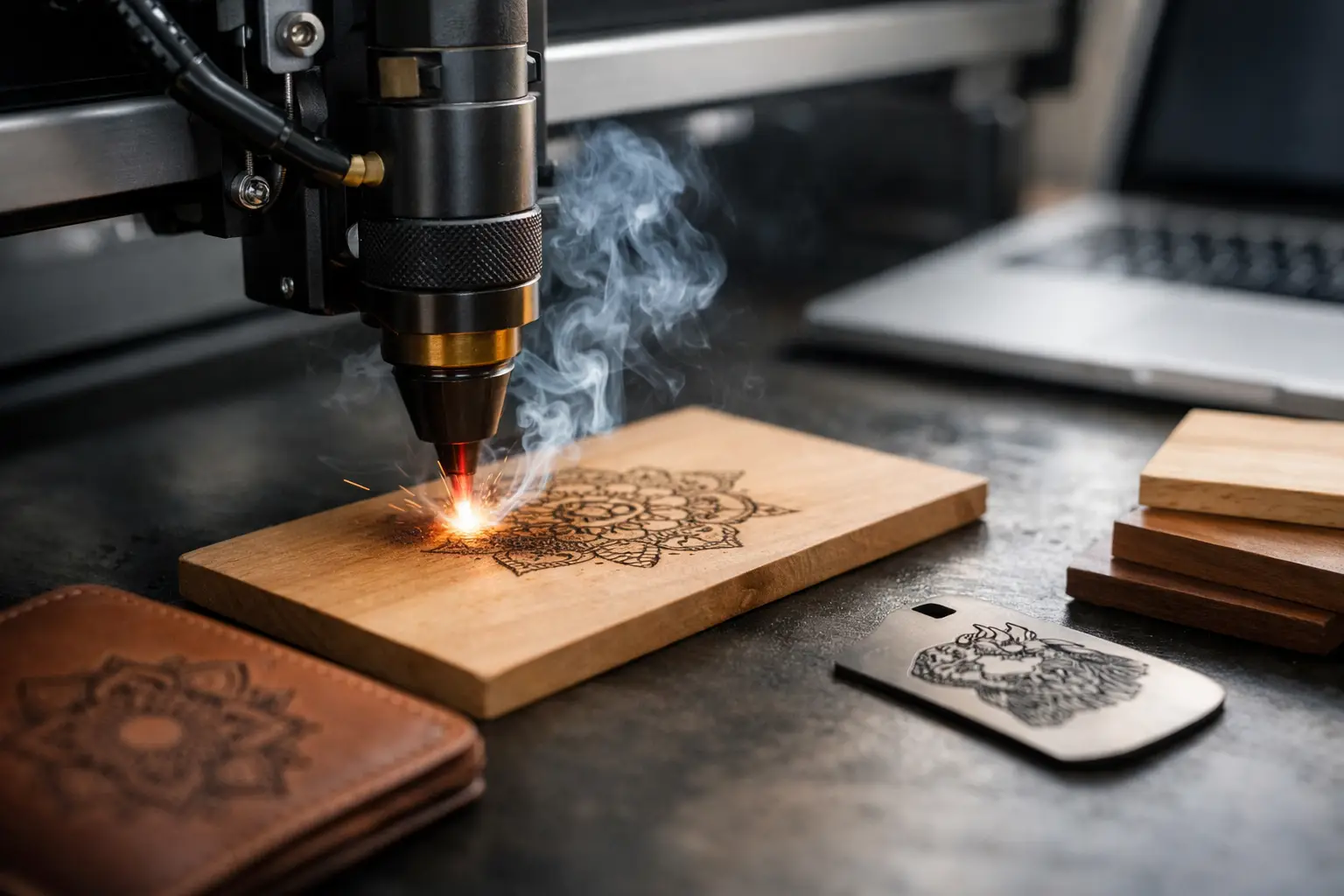
A misspelled name on an employee plaque, a logo that's too fine on a trophy, or an illegible date on a medal can quickly turn a beautiful object into a costly problem. Laser engraving offers a precise answer to these requirements, provided you choose the right material, the right artwork, and the right marking technique from the start. For an organization, a school, a sports team, or an individual, the goal isn't just to personalize an item: you need a result that is legible, durable, and consistent with its intended use.
What laser engraving can actually do
Laser engraving uses a focused beam to mark or remove a thin layer of material. Depending on the material, the result can take the form of an engraved recess, a colour change, or a contrast created at the surface. This precision is particularly well suited to names, numbers, dates, institutional text, logos, pictograms, and identification codes.
Its value is clear when a project involves many variations. An awards ceremony may require the same trophy with twenty different names. A municipality may order door plaques sharing the same graphic standards, but with varying department names and room numbers. A company may also need name badges, retirement gifts, and matching recognition plaques. The base file stays consistent, while individual information changes with accuracy.
Laser engraving is also valued for the fineness of characters and graphic details. It doesn't automatically replace all production methods: a large run of coloured items, for example, may be better served by screen printing. It is, however, a highly effective solution when personalization, sharpness, and data flexibility are at the heart of the project.
Choosing the material before choosing the finish
The same logo won't produce the same result on an engraved plaque, a glass, an insulated tumbler, or a leather item. The first decision, therefore, concerns the material and the conditions under which the object will be used.
Trophies, medals, and recognition plaques
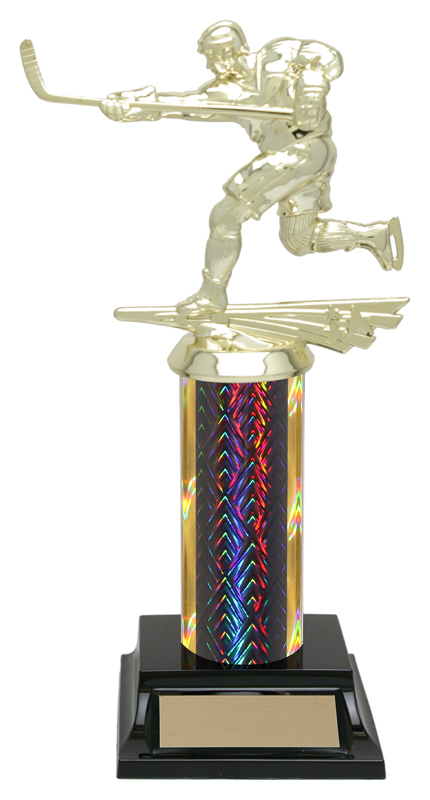
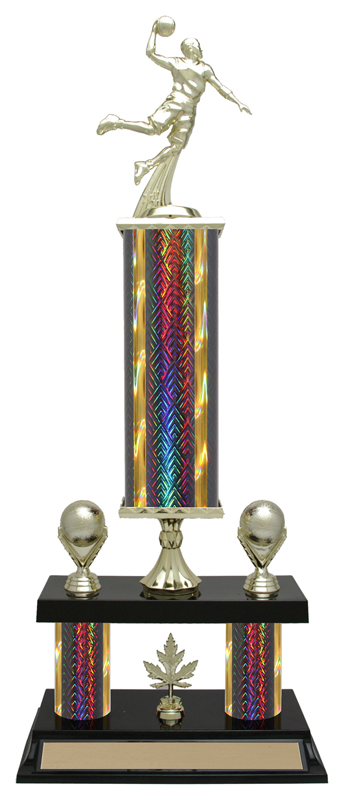
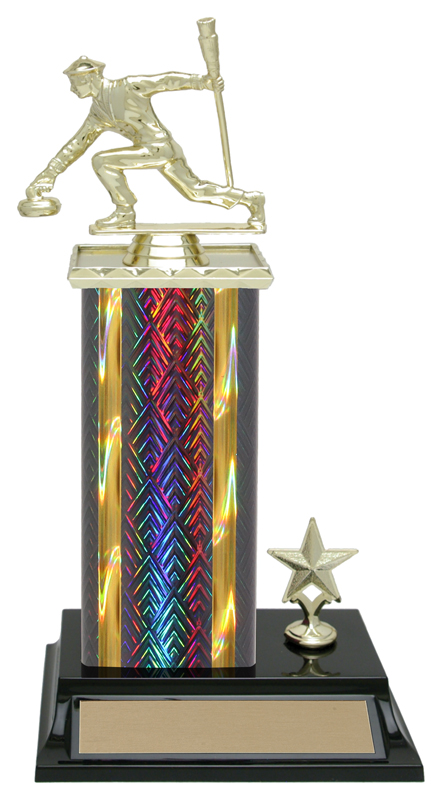
For trophies and awards, legibility remains the top priority. Metal plaques, anodized aluminum, certain engraving plastics, and Lamicoid make it easy to bring out clear, contrasted text. They are particularly well suited to sports presentations, service awards, honour boards, and annual recognition events.
Before settling on a layout, the actual size of the plaque must be taken into account. A lengthy inscription, multiple logos, and a list of sponsors can be difficult to read on a small format. In that case, it is often better to prioritize the information: name of the award, name of the recipient, date or event, then the name of the organization. A shorter text, set in sufficiently large characters, will have greater impact at the presentation and will remain legible for years to come.
Medals call for the same discipline. Their limited surface area favours an emblem, the name of a competition, a category, or a year. A busy design risks losing its detail once reduced in size. For a sports league, it can make sense to keep the same medal model from one season to the next, changing only the ribbon, the year, or a custom engraving on the back.
Signage and Everyday Identification
A door plate, an equipment tag, or a name badge does not serve the same purpose as a commemorative gift. These products need to be easy to read first and foremost, stand up to regular handling, and fit into a professional environment. Engraving on Lamicoid and other laminated materials can reveal a contrasting colour beneath the surface, which works particularly well for identifying rooms, control panels, lockers, or workstations.
In an office, a school, or a community centre, visual consistency makes it easier to get around. It helps to establish a simple standard for formats, typography, pictograms, and colours. This preparation reduces inconsistencies when new rooms need to be added, a plate needs replacing, or temporary signage is required for an event.
For high-traffic facilities or exposed areas, the choice of material becomes critical. Humidity, repeated cleaning, friction, and UV exposure can alter the appearance of certain substrates. An engraving shop can guide a project toward a solution designed for indoor, outdoor, or industrial use, rather than focusing solely on initial appearance.
Gifts, Glass, Leather, and Personal Items
On a wine glass, a bottle, a watch, a piece of jewellery, or a leather item, laser engraving delivers a clean and lasting personalization. It suits initials, important dates, short messages, and subtle logos. These items do call for a more measured approach, however: the surface is sometimes curved, the material may react differently to the beam, and certain details can become less visible depending on the angle of the light.
Contrast is especially important on glass and metal. A marking can be elegant yet very subtle, which suits a high-end gift perfectly. If immediate readability is the priority, the placement, text size, and sometimes a finish that enhances visibility will need to be chosen accordingly. For a bottle given to a client or a volunteer, a brief, well-centred message is generally more effective than a lengthy paragraph.
Preparing a File That Engraves Well
Precise production starts with precise information. For an organizational project, the simplest approach is to finalize a file containing names, titles, dates, categories, and quantities. Last-minute changes are common at events, but they need to be flagged before production begins in order to avoid duplicates, omissions, or late corrections.
The logo also deserves a careful review. A vector file is ideal for reproducing the sharp outlines of an emblem, a crest, or a pictogram. If only a raster logo is available, its resolution, fine lines, and very small areas must be evaluated. An image that looks perfectly clear on a screen can become imprecise when engraved on a medal or a small plaque.
Font choice matters. Highly decorative styles, very narrow letterforms, and text written entirely in capitals can lose legibility at small sizes. A simple, well-spaced typeface holds up better when scaled down. For bilingual orders, accents, official designations, and consistency between both languages should also be verified before the artwork is approved.
Laser engraving, CNC, or screen printing: which method to choose?
Laser is an excellent choice for variable text, detailed logos, and one-off or small-to-medium-run personalizations. It is quick to adapt when each trophy, plaque, or gift carries different information. It also offers great precision across a wide range of compatible materials.
CNC engraving remains relevant when a more pronounced relief, a specific depth, or certain materials call for a mechanical approach. For a thick institutional plaque or durable signage with a more traditional look, this technique can deliver the desired result. The choice depends as much on the visual effect as on the material and the environment in which it will be used.
Screen printing is often better suited when solid colours need to be applied to a large quantity of similar items, particularly promotional clothing, advertising items, or panels. It does not serve the same purpose as individualized engraving. In some recognition programs, techniques work together: screen-printed team apparel, engraved medals, and a personalized championship plaque can form a cohesive set.
Planning the order based on use and timeline
A successful project does not start in the final week before an awards ceremony. Organizations that order regularly benefit from keeping their plaque templates, recipient lists, approved logos, and product specifications on file. This continuity speeds up future orders while preserving the program's visual identity.
It is also important to allow time for text validation, artwork approval, production, and delivery. End-of-school-year periods, tournaments, recognition campaigns, and corporate events often bring a surge in requests. A clear quote — with quantities, dimensions, materials, and desired dates — allows production to get underway quickly.
At Mr. Trophy, a single request can bring together several needs around the same event: trophies, medals, plaques, badges, signage, and personalized items. This approach avoids splitting orders and helps maintain a consistent presentation, from the awards table to the identified spaces on site.
A great engraving doesn't depend solely on the machine. It relies on a well-chosen material, accurate information, and a layout designed with the actual object in mind. By preparing these elements well in advance, every name, every logo, and every message can take its rightful place.
You may also like
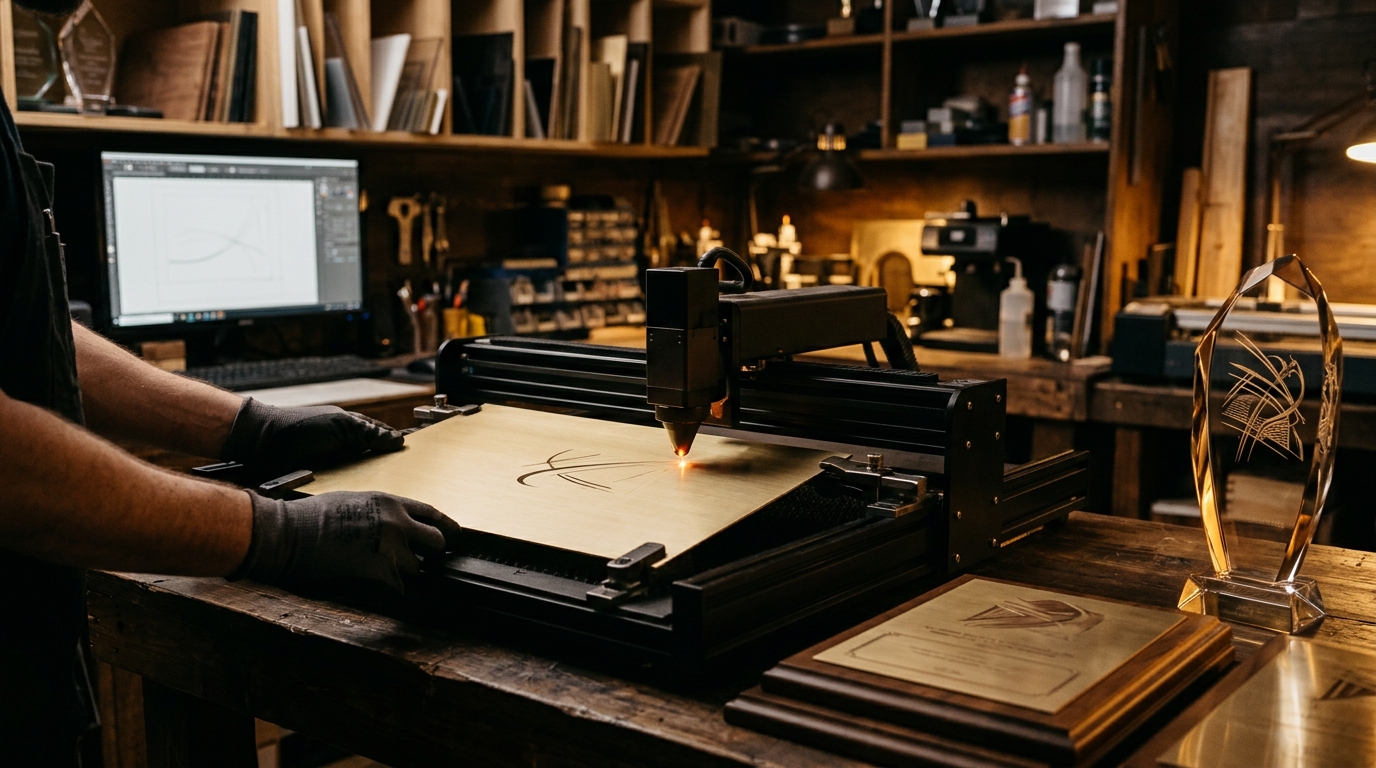
Preparing Your Logo for Laser Engraving and Printing: File Formats and Best Practices
A good file is half of a great trophy. Here are the formats, resolutions and tips to know so your logo looks sharp on your plaques, trophies and medals.
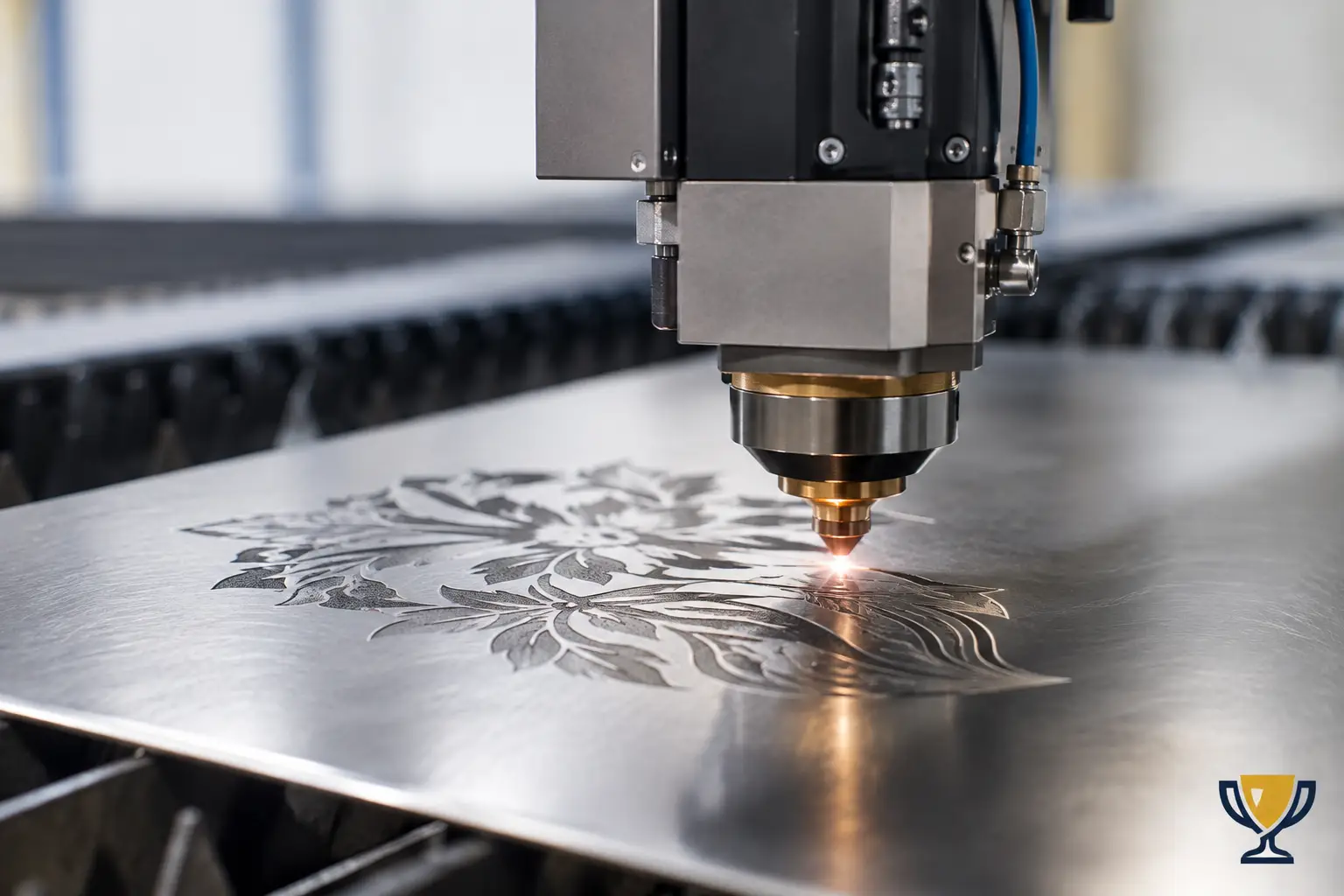
Which industrial engraving method is right for your needs?
Industrial engraving provides durable identification for your equipment, plaques, trophies and signs. Compare laser, CNC and the right materials for your projects.
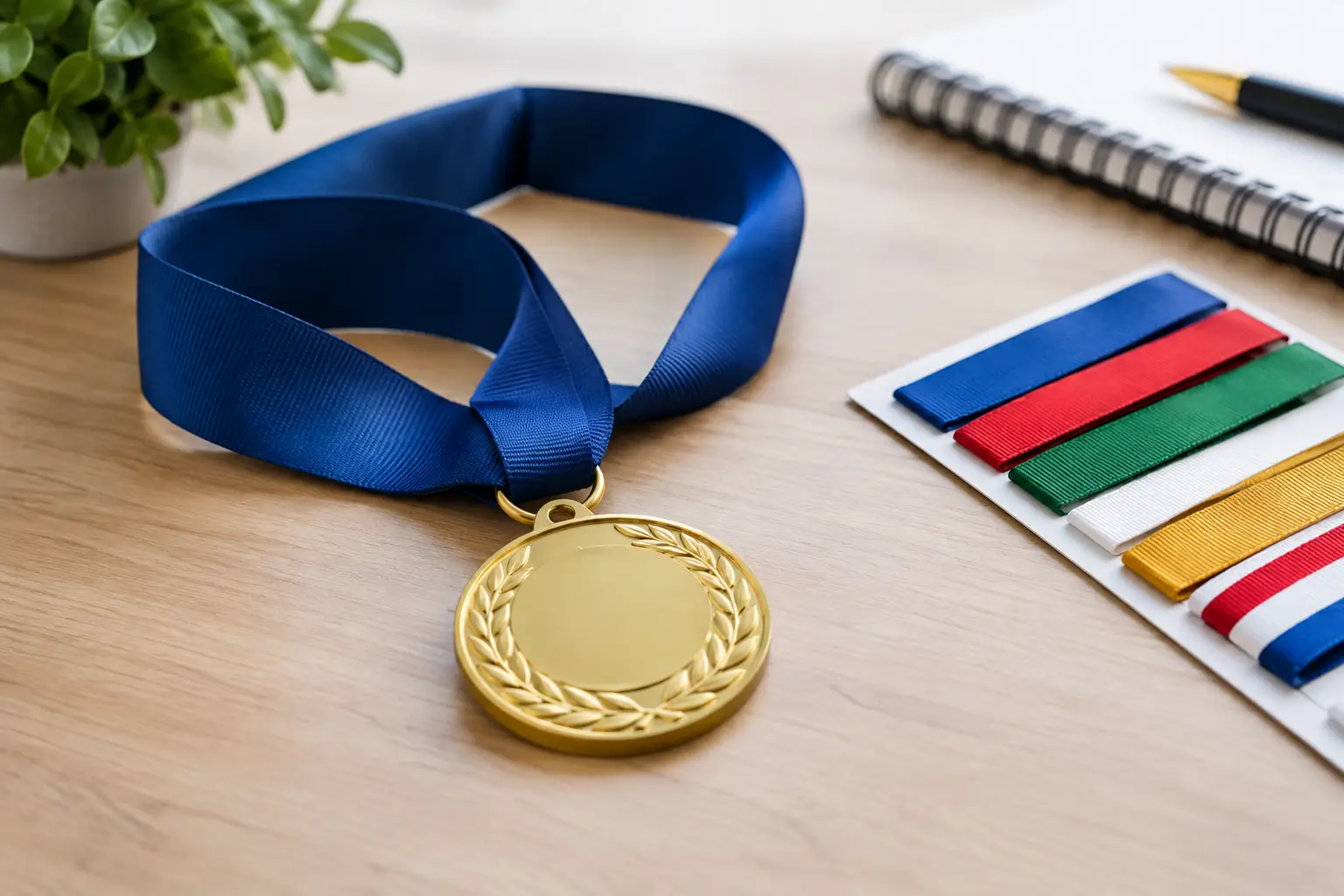
Choosing the Right Font for Your Medal
Choose a font for your medal: adapt the typography to the space, the engraving process, and the event for a legible and lasting everyday marking.