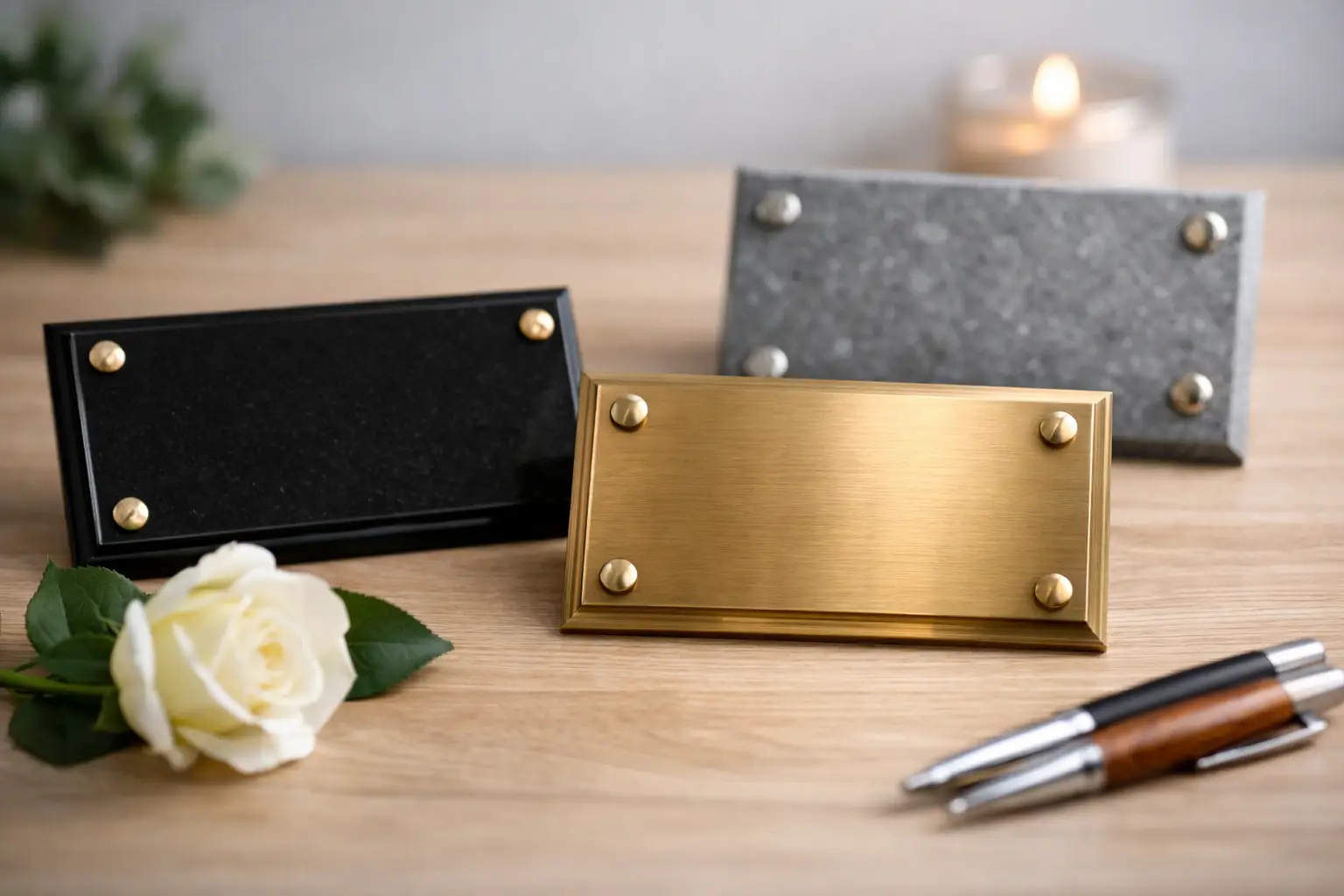
A commemorative plaque must remain legible and dignified long after the day it is installed. Commemorative plaque reviews often converge on this point: the finest finish is not enough if the material deteriorates quickly, if the text becomes difficult to read, or if the mounting hardware does not suit the location. For a school, a municipality, an association, a business, or a family, the right choice depends on the plaque's actual use and the quality of its personalization.
Commemorative plaque reviews: what buyers appreciate
A well-executed plaque immediately provides a clear point of reference. It may mark the inauguration of a building, honour an individual, acknowledge a significant donation, identify a space, or preserve the memory of an event. In every case, buyers value above all a sharp engraving, a presentation that suits the setting, and craftsmanship built to last.
The first criterion most often cited is legibility. Names, dates, and messages must be easy to read at the intended viewing distance. A plaque installed at a park entrance does not follow the same requirements as one placed beside a work of art, on a bench, or in a reception hall. Character size, contrast between the background and the engraving, and the lighting at the site all directly influence the result.
Organizations also place great importance on accuracy. An incorrect date, a missing accent in a name, or a poorly reproduced logo can be particularly problematic on an object designed to remain in place for years. Careful proofreading of the text and the graphic proof before production prevents costly corrections after installation.
Finally, flexibility in personalization makes a real difference. Some plaques call for a very understated message. Others must incorporate a municipality's coat of arms, a donor's logo, an illustration, a signature, or text in multiple languages. A specialist in engraving and signage can adapt the layout without sacrificing the clarity that is essential to the project.
The material must suit the installation location
There is no single ideal material for all commemorative plaques. The choice depends on the location, the budget, the desired aesthetic, and the expected lifespan. A plaque intended for an indoor setting may favour a decorative finish, while an outdoor installation requires greater resistance to weather, temperature fluctuations, and handling.
Metal: an institutional and lasting presence
Brass, aluminum, and stainless steel are frequently chosen for institutional, heritage, and professional projects. Brass offers a classic appearance that is particularly well suited to heritage buildings, official distinctions, and solemn tributes. It does, however, require proper upkeep to preserve its original lustre.
Aluminum is lightweight, versatile, and well suited to a wide range of signage projects. Depending on the finish, it can provide a strong contrast with the engraving. Stainless steel is especially appropriate for contemporary environments and high-traffic locations. Its understated look integrates well in schools, businesses, sports centres, and public facilities.
For these materials, laser or CNC engraving allows for precise inscriptions. The choice of technique depends on the metal, the desired depth of marking, the visual design, and the requested finish.
Acrylic, Lamicoid and Other Engravable Materials
Laminated materials such as Lamicoid are a practical solution for identification, door plates, interior installations, and certain tributes with a controlled budget. They come in many colour combinations: the top layer is engraved to reveal a contrasting colour underneath. This option makes text easy to read and allows for great consistency across series of plaques.
Acrylic can also work well for contemporary projects, particularly when transparency, a specific colour, or a distinctive cut-out shape is desired. It is wise to reserve these solutions for appropriate environments. For permanent outdoor display, the weather resistance of the chosen material and the mounting method should both be verified.
Wood, Glass and Stone: a Choice Guided by the Project
Wood brings a natural warmth that suits certain community tributes, perpetual awards, or plaques presented at a ceremony. It does, however, require appropriate protection when installed outdoors. Glass can create an elegant effect in a lobby, conference room, or recognition space, but it calls for careful design and a location that is not exposed to impacts.
Stone and mineral substrates are well suited to memorial sites and landscaping installations. In such cases, a metal or engraved plate can be integrated into the support structure. The whole must be conceived as an installation: dimensions, legibility, anchoring, and harmony with the surroundings matter just as much as the plaque material itself.
Crafting Text That Will Remain Legible
A commemorative plaque is not a brochure. It must convey the essentials within a few seconds. Text that is too dense often results in smaller lettering, which undermines readability and visual balance. It is better to focus on the name of the person or event, the date, the organization involved, and a brief message that clearly expresses the intention.
For a named tribute, the hierarchy is straightforward: the name should be dominant, followed by the years, the title, or the connection to the location. For a dedication, the project name, the date, and the main partners generally form the core of the message. If multiple contributors need to be acknowledged, it may be preferable to increase the size of the plaque rather than compress all the information.
The choice of typeface deserves the same attention. Highly decorative fonts can be appealing on a mock-up, but are often less effective once engraved and viewed from a distance. A clean typeface with well-defined size hierarchy produces a more lasting result. Logos should be provided in a high-quality file so that the details remain sharp after engraving or printing.
In Quebec and in bilingual Canadian organizations, it is also important to decide from the outset whether the text will be in French, English, or both languages. A bilingual layout requires more space. It is entirely achievable, provided the format is adjusted accordingly and legibility is not sacrificed.
The Manufacturing Details That Prevent Disappointment
The most favourable reviews often concern projects where fabrication was planned around the final substrate. A wall plaque, a plaque on a base, a garden plaque, and a plaque intended for a bench do not use the same hardware. Holes, screws, standoffs, adhesives, or anchors must be determined before production begins.
Finish also matters. A colour-filled engraving can improve contrast, especially for an outdoor installation or fine text. A brushed, polished, matte, or satin finish significantly changes the perception of the finished product. It is worth choosing a finish that complements the architecture, furnishings, or visual identity of the organization.
For orders combining multiple plaques — such as a donor series, named rooms, or honoured volunteers — consistency is essential. The same format, the same typeface, the same mounting system, and the same margins create a professional, cohesive look. This standardization also makes future additions easier to manage.
Preparing a Request for a Commemorative Plaque
A precise price request speeds up the design process and reduces back-and-forth. Before submitting a project, it helps to gather the final text, desired dimensions, installation location, intended material, number of units, and delivery date. A vector logo or high-resolution artwork will help reproduce the organization's identity accurately.
Any special constraints should also be noted: exposure to frost, proximity to water, municipal regulations, irregular surfaces, tamper-proof screws, or installation on an existing monument. This information makes it possible to recommend a solution that truly fits the situation, rather than one that is simply visually appealing.
At Mr Trophée, plaque projects can be supported by graphic design services, laser engraving, CNC engraving, and signage, depending on the material and the desired result. This approach is particularly useful when an organization needs to coordinate a commemorative plaque with trophies, medals, identification panels, or other recognition items.
A great plaque does not try to say everything. It chooses the right words, an appropriate material, and an engraving that will stand the test of time. By planning the location, the message, and the installation details before fabrication, you give this tribute the lasting presence it deserves.
You may also like
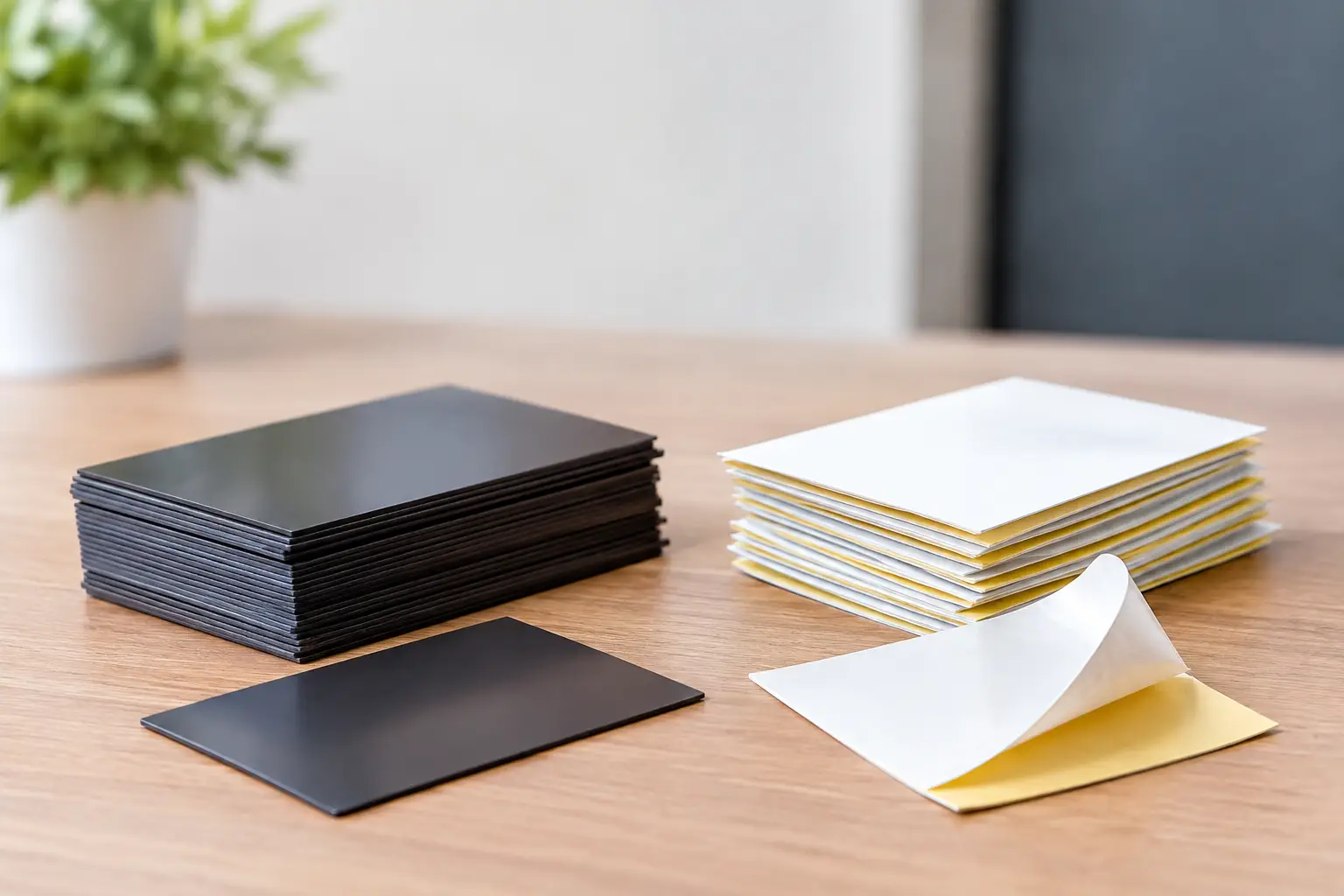
Magnetic Plaques or Stickers: Which Should You Choose?
Magnetic plates or stickers: compare hold, application, reusability and finish to choose the right signage for each professional use.
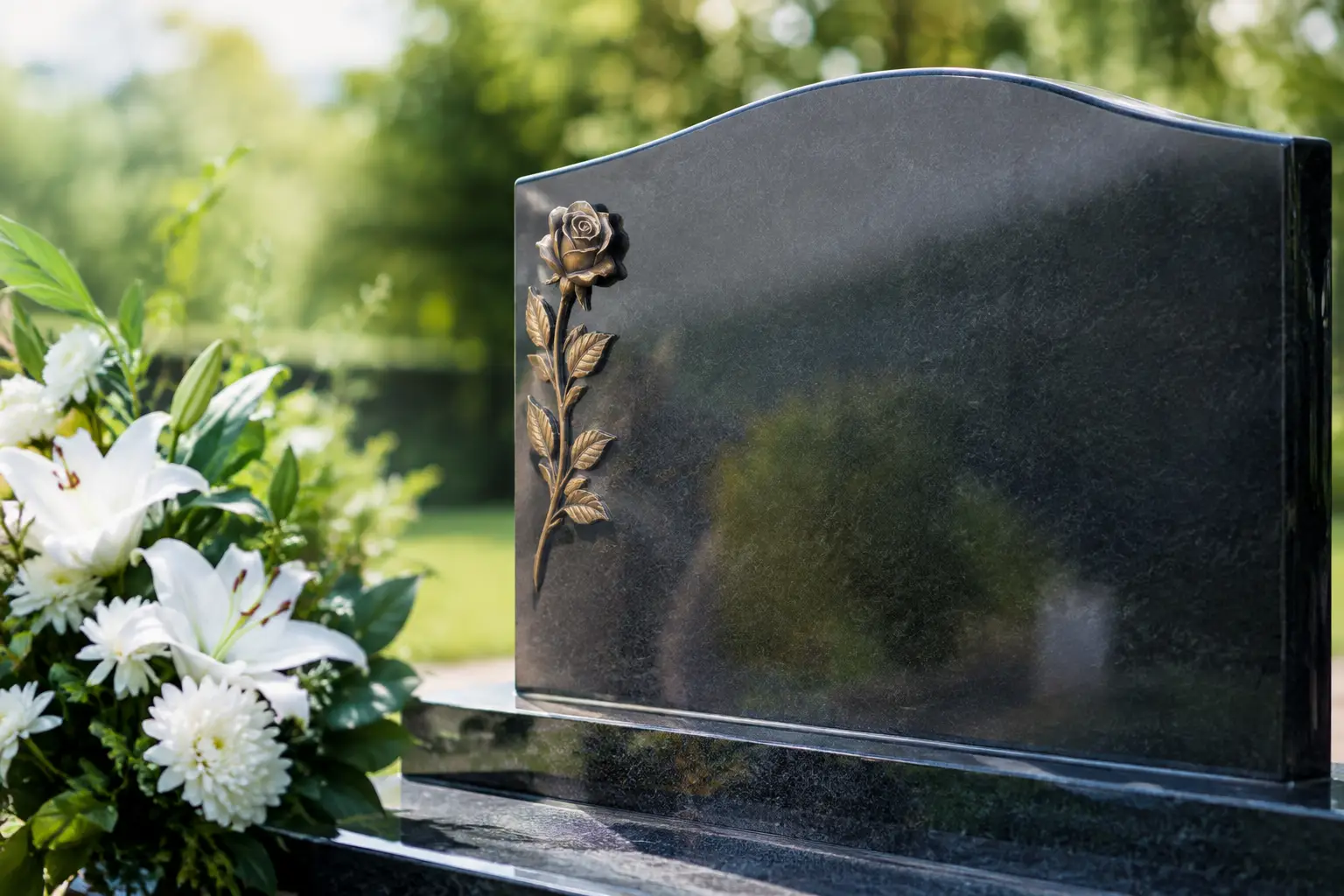
How to Choose Durable Funeral Plaques
Choosing memorial plaques with care: materials, sizes, engraving and tips for creating a lasting, legible and respectful tribute in Quebec, simply.
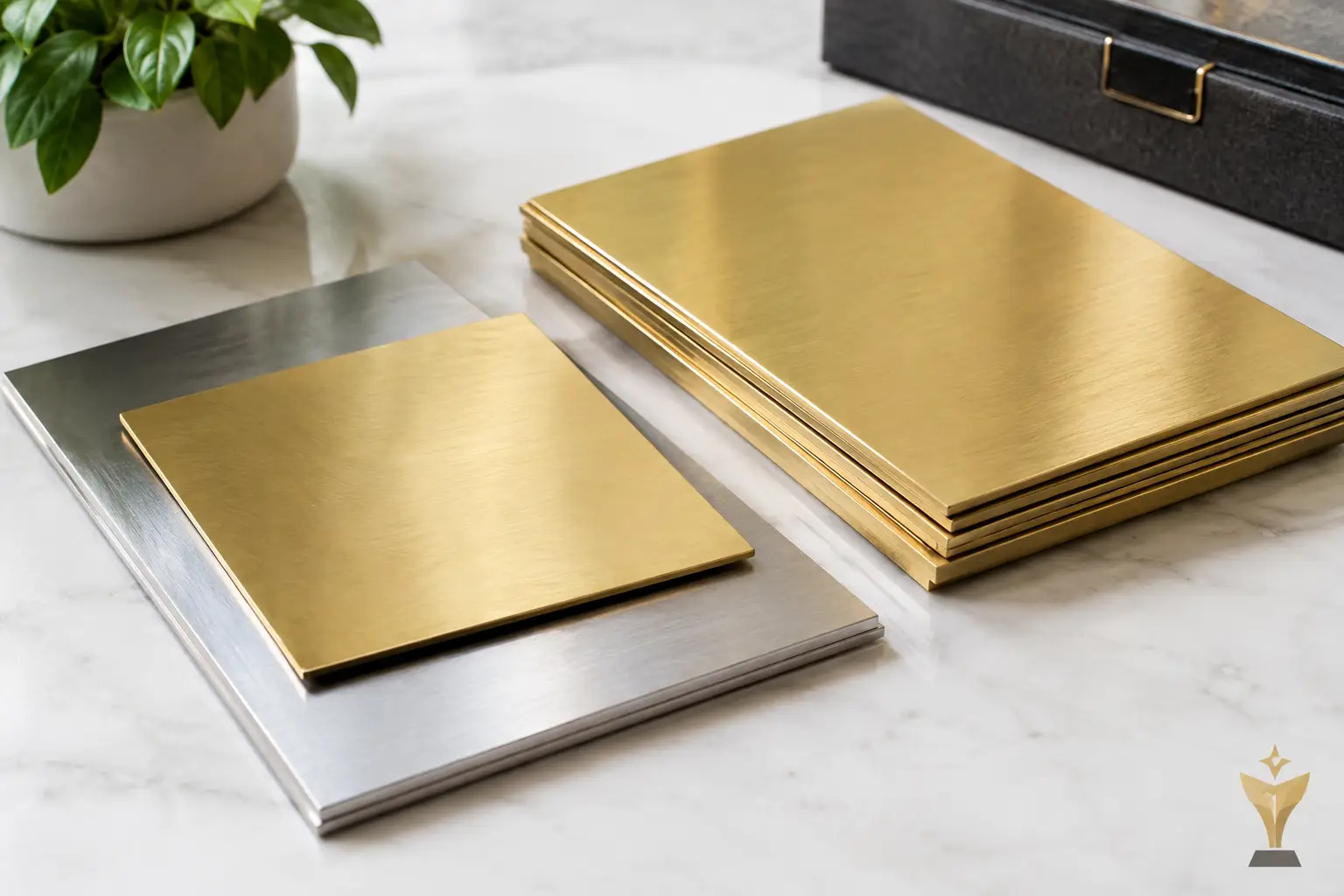
Aluminum and brass plaques for your projects
Custom aluminum and brass plaques: Choose the right metal, engraving, and finish for durable, clear, professional, and reliable signage.