
For a school, a municipality, a sports club, a business, or a community organization, the right product needs to do three things at once: carry clear identification, suit the context in which it's given, and fit within budget and timeline constraints. Here's how to interpret reviews and choose custom promotional items with a methodical approach.
Why reviews on promotional items are useful
Customer comments often reveal what a catalogue photo doesn't show: the feel of a material, how well a print holds up after several washes, the actual usefulness of a size, or how legible a logo is. An item may look appealing on screen but disappoint if it's too fragile, too small, or poorly suited to the audience receiving it.
That said, reviews need to be read in context. A mug that was a hit at a conference may not be the best choice for an outdoor sports tournament. Conversely, a cap well-rated for its durability won't necessarily work for a campaign where you want to display a detailed message. The ideal product depends on its intended use, the quantity needed, the season, and the visual identity to be reproduced.
Reviews become particularly relevant when they address concrete factors: quality of customization, material durability, colour accuracy, garment comfort, production turnaround, or care taken with packaging. These are the criteria that directly affect how your brand is perceived.
The criteria to check before settling on an item
Usefulness over novelty
A promotional item doesn't need to be spectacular to be effective. Above all, it needs to fit into an existing habit. Bottles, insulated mugs, bags, good-quality pens, notebooks, clothing, and office accessories remain popular because they integrate easily into everyday life.
Before choosing, ask yourself where and when the item will be used. A custom water bottle makes sense for a sports team, a day camp, or an outdoor activity. A logo notebook is better suited to a business meeting, a training session, or an association event. For an employee, a branded garment can reinforce a sense of belonging while improving visibility in the field.
A highly original product may create a great moment at distribution, but its impact fades quickly if it serves no lasting purpose. The most telling positive reviews often mention repeated use, not just a nice first impression.
The quality of the material and the customization
Perceived value depends as much on the item as on the branding. A sharp logo on a simple article can look more professional than a blurry print on an expensive product. It's therefore important to choose your customization method based on the material, the colours in your design, and the desired longevity.
Screen printing works well for many garments, bags, and items where the design features solid colour blocks. Laser engraving produces a permanent, precise result on a wide range of materials, including certain metal, glass, leather, or wood items. Colour printing may be preferable when a logo includes gradients or numerous visual details. For specific requests, graphic design services can help adjust the file, layout, and imprint size before production begins.
In reviews, look for comments about the sharpness of lettering, the alignment of the design, and the durability of the imprint. A name, date, or emblem that is poorly reproduced quickly diminishes the quality of a gift or identification item.
Consistency with your image
Promotional items extend your presence after an event. Their style should therefore reflect your organization. A municipality will often favour practical, inclusive items, such as a bag, a mug, or a useful accessory for community activities. A service company may opt for office supplies or apparel that support a polished, professional image. A sports club will tend to prioritize visibility, comfort, and durability.
Consistency also applies to the quality tier. To thank volunteers at the end of a season, a durable, personalized item may be more appropriate than a very economical object ordered in large volume. For wide distribution at a trade show, the per-unit budget will carry more weight. Neither choice is wrong: the key is to match the investment to the objective.
Reading promotional item reviews with discernment
Not all reviews carry the same weight. A useful review describes a situation comparable to yours: quantity ordered, type of event, target audience, or customization outcome. A very brief comment, whether positive or negative, provides little information about the actual ordering conditions.
Pay attention to recurring observations. If several people highlight the sturdiness of a bag, the quality of a fabric, or the accuracy of an engraving, that is a more reliable indicator than an isolated opinion. Conversely, if customers regularly mention that sizing runs smaller than expected or that the print area is limited, these points should be taken into account from the very start of your project.
Photos can also be helpful, provided you look closely at what they actually show. Check the proportion of the logo, the contrast between the imprint and the surface, and the legibility at a normal viewing distance. A design that works on a white background may require adjustments on a dark garment or a metal bottle.
Preparing an order that avoids unpleasant surprises
A good choice starts with accurate information. Before requesting a quote, gather the elements that affect production: desired quantity, delivery date, approximate budget, your logo in the best available format, colours to follow, and text to be added. For apparel, plan for sizes and a reasonable buffer for exchanges or new team members.
Approving a proof is a useful step, especially when the product includes names, titles, numbers, or dates. Review every detail carefully. A mistake in a sponsor's, player's, or employee's name may mean redoing part of the order. It is better to designate one person responsible for final approval rather than collecting scattered corrections.
Lead time also deserves close attention. An order for a gala, an awards ceremony, a back-to-school event, or a tournament must account for design, customization, and production time. Busy periods require more of a buffer. Ordering early also leaves room to adjust the proof or replace an item if needed.
When to choose a promotional item or a recognition piece
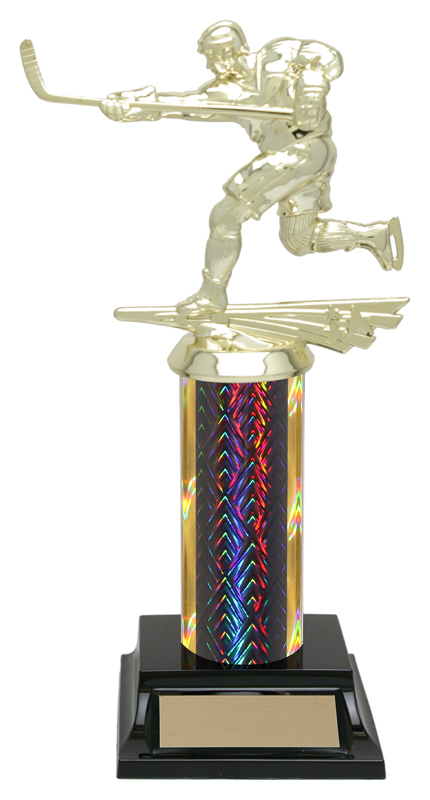
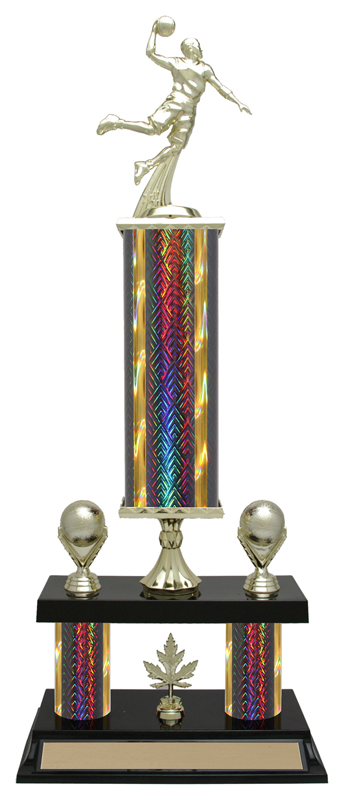
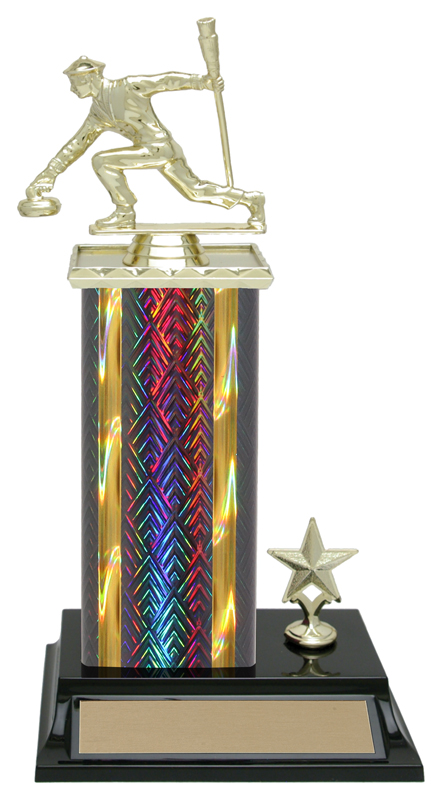
These two categories complement each other, but they do not serve the same purpose. Promotional items are generally aimed at visibility or utility: branded shirts, bags, bottles, desk accessories, and corporate gifts. Recognition pieces highlight an achievement: a trophy, medal, plaque, framed certificate, or engraved gift.
For a tournament, for example, participants might receive a custom water bottle or bag, while finalists receive medals and champions receive a trophy. This distinction gives each product a clear value and avoids asking a single item to serve two different roles.
At Mr Trophée, projects can bring these needs together in a single order: promotional products, custom apparel, medals, trophies, plaques, and signage. This approach is especially practical for organizations that need to coordinate a full event or refresh several identification elements at once.
Making a lasting and sensible choice
Durability does not automatically mean choosing the most expensive product. It means choosing an item that will remain useful long enough to justify the materials, customization, and distribution. A well-designed item, suited to its audience and precisely branded, is less likely to be thrown away or set aside.
It can also be worth reducing the number of styles in order to focus the budget on better quality. A single sturdy bag or a good custom bottle will often make more of an impression than a collection of items that see little use. For high-volume campaigns, a simpler item remains a sound choice if its purpose is clear and its branding is easy to read.
The best benchmark remains the person who will receive the item. If you can explain in one sentence why they will want to keep it, you have probably landed on a choice that will reflect well on your organization long after the handout.
You may also like
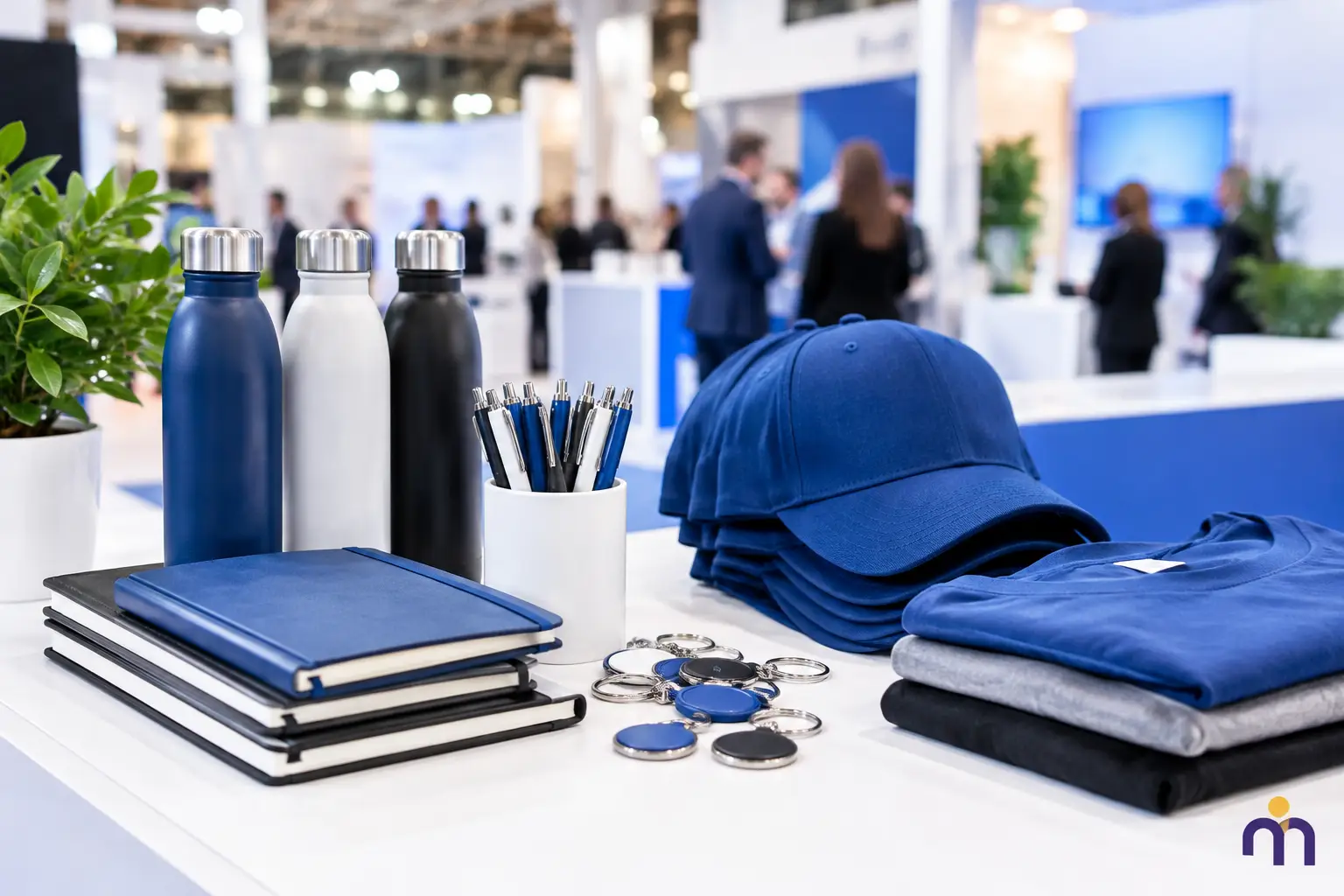
Best Promotional Products for Trade Shows
Choose the best promotional items for trade shows: useful, personalized giveaways tailored to your booth traffic, budget, and realistic timeline.
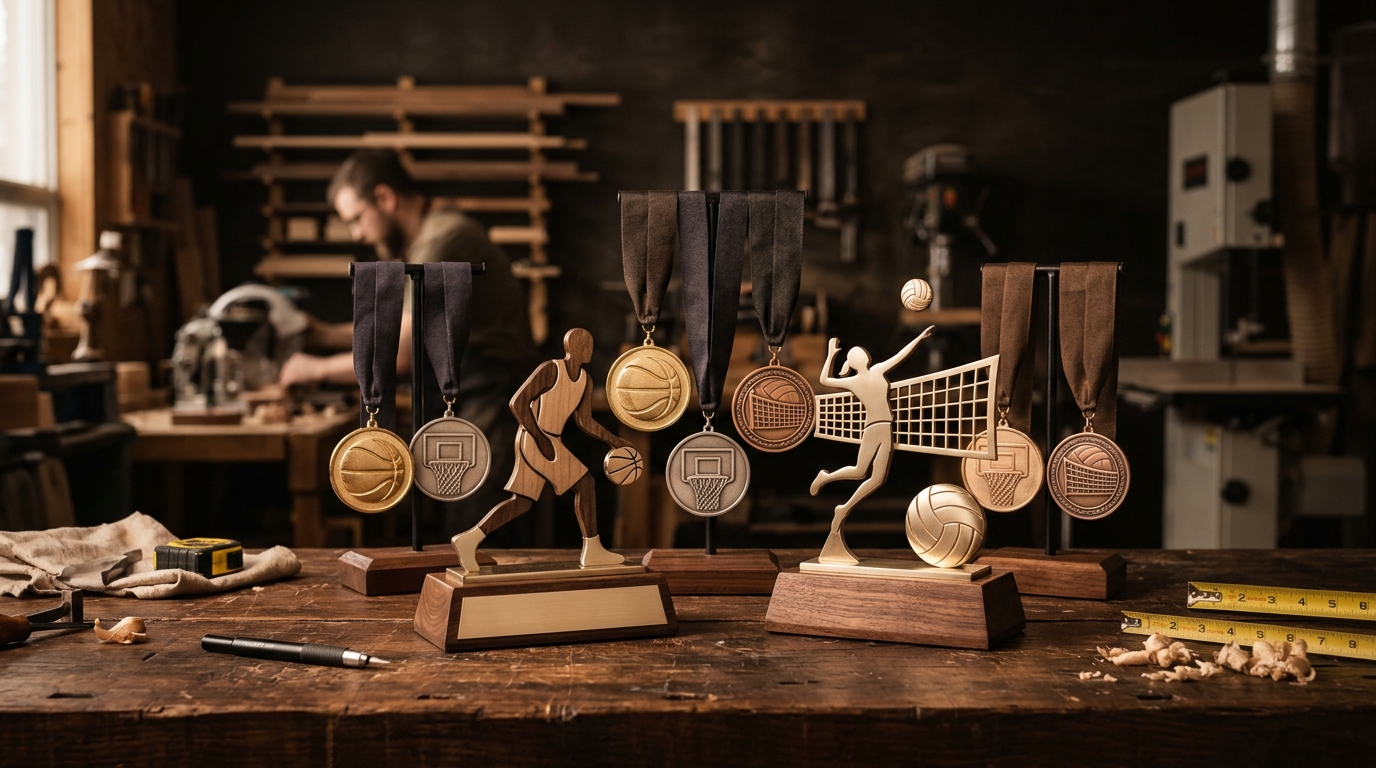
Trophies and Medals for a Basketball or Volleyball Tournament: A Guide for Organizers
Organizing a basketball or volleyball tournament? Here is how to choose trophies, medals and individual awards without going over budget.
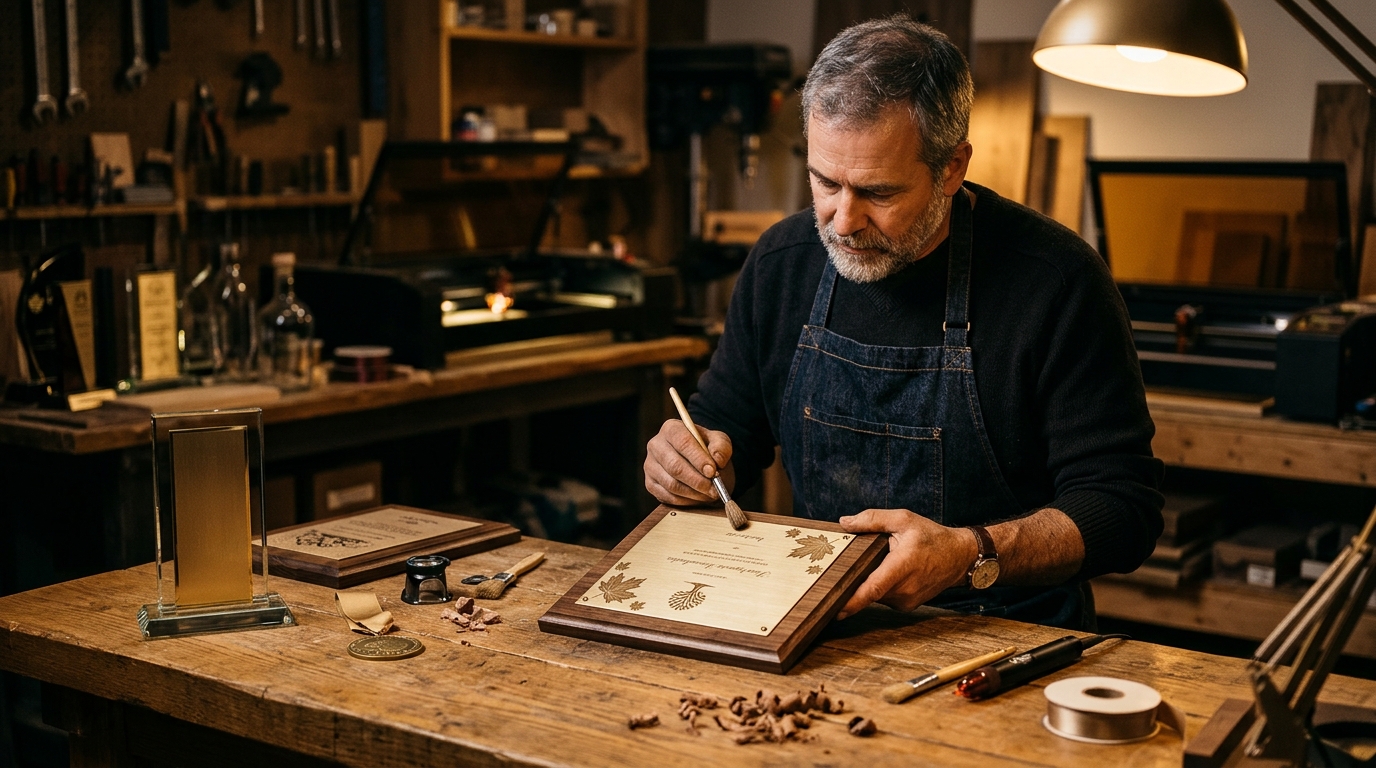
Award Ideas for Volunteers, Board Members and Contractors
How to recognize board members, volunteers and long-term contractors: award formats, separate budget lines and calendar dates that fit non-employees.