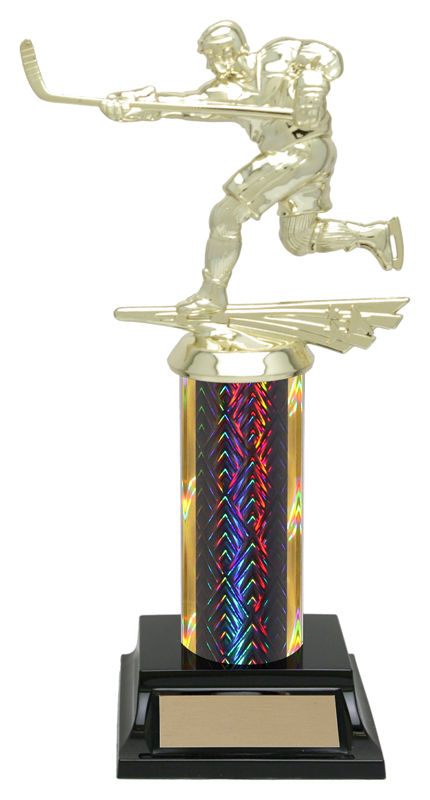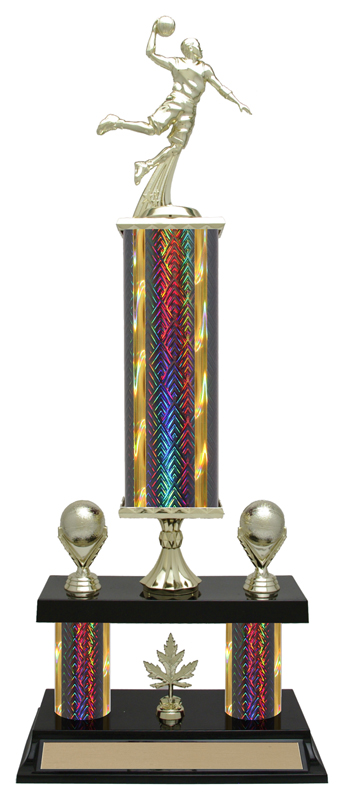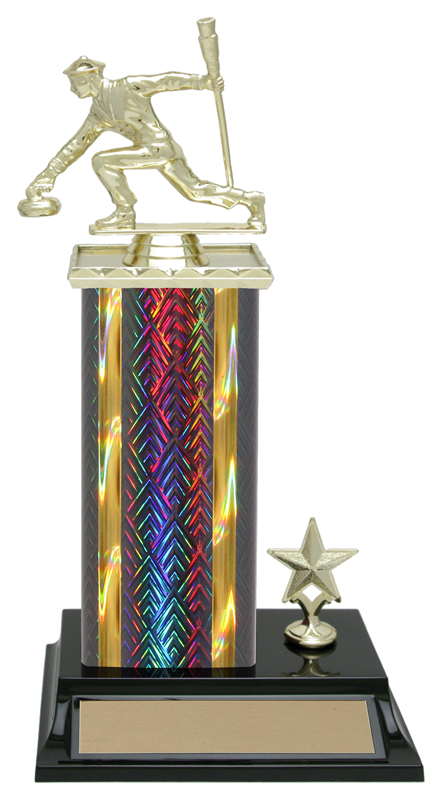
Three days before an awards ceremony, a late order is rarely a machine problem. It is a decision problem. That is the lesson behind this 72-hour engraving rescue, a shop-floor case narrative about triage when an award order arrives with no slack. If you are typing engraving services near me into a search bar on a Tuesday and need the podium by Friday, you do not need more options. You need fewer, faster decisions.
This case study follows the order from the first panic call to the final quality check. It explains where late orders actually break, usually in proof approval rather than production; the triage rules that trade options without trading quality; what we sacrificed on this job; what we refused to sacrifice; and how one decision maker and one bilingual sign-off kept the timeline alive. You will also see what to bring and what to give up when you order late, plus what this rescue teaches any organiser facing a fixed ceremony date.
The 72-Hour Call: How a Late Award Order Actually Lands
It was early Thursday morning on the shop floor in Léry, Quebec when the phone rang. A sports league organizer needed awards engraved for a Sunday afternoon ceremony, and the recipient list had only just stopped changing. She had spent two days hunting for an engraving place that would take the job. One shop had already turned her down. Her question was blunt: is anything even possible?
The honest answer, given up front: yes, but only if you agree to give up options rather than quality, and only if one person can approve a proof within the hour.
That is the shape of a rescue job. The three-day clock constrains decisions, not craft. Seventy-two hours is enough for a straightforward engraved award run. It is never enough for a redesign.
What follows is the exact triage sequence we used, the trade-off menu that made it possible, the non-negotiables we refused to touch, and a checklist to run through before you call an engraving shop late.
Where Late Orders Really Break: The Approval Bottleneck, Not the Factory
Canada's engraving shops rarely lose a late order on the shop floor. They lose it in an inbox. The standard timeline -- proof in one to three days, roughly six days of production after approval, transit -- totals about two weeks on a straightforward job.
That figure circulates as a supplier industry claim. Read it as a benchmark, not a service guarantee.
Vincent Nero, CRP, VP of Sales and Service at Awards.com, puts it plainly: the timeline rarely breaks in the factory, it breaks in the approval process, while a proof sits in somebody's inbox for a week. In our workshop, that matches what we see. Production is schedulable. The decision chain between proof sent and proof approved is not.
That is the whole problem when a ceremony is three days out. Proof time, engraving time, and transit all draw from the same 72 hours. Every hour spent chasing a signature comes directly out of finishing time.
The Triage Rules: Trade Options, Never Quality
The rule is simple: on a 72-hour order, you pay in optionality, never in accuracy, materials, or legibility.
That framing matters under pressure. Accepting fewer choices keeps the work inside a known, repeatable production path. Demanding more choices pushes the job into setup and rework territory, and that is where deadlines actually die.
What is genuinely tradeable on three days:
Fixed material and finish, drawn from stock
No new artwork or logo redraw
No colour fill
No 3D subsurface crystal
No premium packaging or presentation boxes
A single proof round
Pickup or local delivery instead of multi-stop shipping
Each cut removes a production stage. Laser engraving marks a surface in one pass, which is why it is the fast route. Deep sandblast etching adds a mask stage. Colour fill and 3D crystal each add separate production stages with their own costs -- stages that a 72-hour schedule cannot accommodate.
Before the clock starts, review the full range of finishes and services so the stocked option reads as a choice rather than a surprise.
The decision framing fits in one line: ask what the award must do on the day, then cut everything that does not serve that.
What We Sacrificed on This Order
The rescue job stayed inside the repeatable path by cutting five things, all of them cosmetic.
Material. Custom-cut acrylic was the original request. A standard stock plaque and base replaced it, removing an entire fabrication stage and sending the job straight into the laser queue instead of waiting on a cutting schedule.
Artwork. The league crest was dropped for a clean text-and-standard-sport-icon layout. No crest meant no artwork approval, no vector redrawing, and no back-and-forth about logo placement or sizing.
Colour. The design ran as single-pass laser engraving with no colour fill, so no hand-painted pass was scheduled and no drying time entered the plan.
Proofing. Multiple rounds collapsed into one, sent quickly after the call and approved by phone confirmation rather than an emailed sign-off.
Packaging and delivery. Plain protective wrapping replaced presentation boxes, and the organiser collected once at the workshop in Léry, Quebec instead of paying for courier delivery to three separate venues.
Every one of those five cuts was a choice, not a standard. What survived untouched is the part that decided whether the ceremony worked.
What We Never Sacrifice, No Matter the Deadline
Everything else on that order was negotiable. Four things were not, and they are the same four on every rush job.
Correct names. Every recipient name and the organisation's exact legal or official name are verified against the frozen list. A misspelled name on a trophy is permanent and public, and no deadline justifies it.
Award-to-recipient matching. The right plate on the right base, with the right category, year, and presentation order. We verify this against the frozen list before the laser starts, not after, because a swapped plate is two errors.
Legibility and contrast. The inscription must read from the stage, in a photograph, and from the back of a banquet room. Contrast is not decoration; it is the difference between an award and a plaque-shaped object.
Delivery certainty. Confirmed with a named person, a time, and a place. Not a courier estimate, not a hopeful tracking window. Someone accepts the awards at the ceremony venue.
These four cannot be traded away. Any engraving shop willing to compromise on them is selling speed at the expense of the award's purpose.
The Single Proof: One Decision Maker, One Bilingual Sign-Off
Those non-negotiables hold only when the approval chain is just as tight. The rescue worked because one person, the league's operations lead, was named sole approver before the proof left the workshop. That person could say yes outright, no meeting, no committee.
The proof was built for a single decision: one page, the exact inscription text, the layout at final size, and a plain note separating what was fixed (stock plaque, laser-only finish, no colour) from what could still change (wording, spacing). Nothing invited a second round.
Quebec adds a layer. French is the province's official language, and recipients' names and organisation names often appear in one form on the award and another in the printed programme. Both French and English spellings were confirmed in the same sign-off, so no stage reader had to improvise.
Copy this rule: if the authorised approver will be travelling or in meetings, name a backup approver in writing before the job starts. A proof parked in an inbox for a week is the most common cause of a missed ceremony.
The failure mode to avoid is re-opening artwork after approval. That restarts setup, and a rush job stops being a rush job.
The Result: Engraved, Checked, and on the Podium
Approval came Thursday afternoon; engraving ran Friday. Saturday morning, two of us ran the verification pass buyers never see: one reading each inscription aloud from the plate, the other following the frozen recipient list, checking spelling, category, and presentation order, one award at a time. Working alone, people catch only 40% to 90% of errors, and real-name errors are the hardest kind, so the second reader matters. By Saturday afternoon the awards were wrapped and collected.
Sunday, they were on the podium. Every recipient name correct. No reprints. No apology from the stage.
The organiser gave up colour fill, the custom acrylic shape, and presentation boxes. None of it was missed. Not one audience comment. The personalized trophies, medals, and engraving options at Mr Trophée exist for buyers who want those additions, but on a 72-hour clock they add stages the schedule cannot absorb.
What gets noticed on the day is the name, the legibility, and whether the award is there at all.
If You Are Ordering Late: What to Bring and What to Give Up
Before you dial, have three things ready. First, a frozen recipient list, because each name added after engraving starts triggers a new setup, a new proof, and a fresh chance of a mismatch. Second, print-ready vector artwork; a logo pulled from a website or photographed on a phone must be redrawn, and that setup work will not fit inside 72 hours. Third, one decision maker with real authority plus a named backup, briefed to approve the first proof rather than the fourth.
Then accept the trade-off menu in this order: material and finish choice, new artwork, colour fill, 3D crystal, extra proof rounds, premium packaging, multi-address delivery. Each option removed keeps the job on a repeatable path. The same discipline applies across every service we offer, routine or rushed.
If your ceremony falls in November or December, order in October for standard engraved pieces, and earlier still for 3D crystal or multi-colour fill -- those processes carry longer lead times by nature.
Searching "engraving services near me" at the last minute? Ask three questions on the first call: Do you engrave in house? How fast can you return a proof? Will you name the non-negotiables in writing? In-house work removes one handoff, proof speed reveals the real bottleneck, and a written list tells you whether the shop will protect accuracy or trade it away.
What the 72-Hour Rescue Teaches Any Organiser
With that checklist in hand, the sequence does the rest. Run the triage sequence -- frozen list, fixed material, one proof, one approver, verified names, confirmed delivery -- and 72 hours is workable.
Treat any supplier lead-time figure as a claim rather than a promise until it is tied to your list, your material, and your approver.
Plan ahead for the next season: if your ceremony falls in November or December, order in October. If that window has already closed, call early in the day with your list frozen.
Mr Trophée engraves trophies, medals, plaques, and honorary awards in Léry, Quebec for sports teams, businesses, municipalities, and organisations. Bilingual service, best-price guarantee. For rush engraving questions, call 514-565-6665.
Conclusion
A 72-hour engraving rescue is not a miracle; it is a sequence. The triage sequence holds whether you are calling three days out or planning for next season. If your ceremony is close, do not wait. Call Mr Trophée at 514-565-6665 with your list frozen, your material chosen, and your approver ready. Protect the quality that makes the award matter, and let the clock work for you.
You may also like

Engraving Errors That Ruin Award Plates and How to Catch Them
Misspelled names, missing French accents and logos without vector outlines ruin award plates. Run this pre-production proofing check before engraving.
Personalized Engraving on Metal, Glass or Acrylic: Which Material Should You Choose for Your Award?
Metal, glass or engraved acrylic: compare durability, prestige and cost to choose the right material for your industry and budget.
How to Order Custom Trophies in Canada: Timelines, Engraving Options, and Minimum Quantities Explained
Learn how to order custom trophies in Canada: timelines, engraving options, file formats, minimums, and rush order conditions explained step by step.